THE ADVENTURE COLLECTIVE® · Independent discovery and booking for outdoor travel

Spend three focused hours in Luxor Museum with an expert guide who brings pharaonic artifacts and royal mummies to life. This compact, air-conditioned tour is ideal for travelers who want deep context before exploring Luxor’s temples and tombs.
Spend three focused hours in Luxor Museum with an expert guide who brings pharaonic artifacts and royal mummies to life. This compact, air-conditioned tour is ideal for travelers who want deep context before exploring Luxor’s temples and tombs.
You step from a shaded hotel driveway into an air-conditioned van and the hot Nile breeze is suddenly held at bay. Within minutes the modern museum building appears along Luxor’s corniche—clean lines and low walls that keep the artifacts the real show. Inside, the air smells faintly of stone and dust, and the guide’s voice threads stories through rooms of carved reliefs, jewelry, and the careful faces of pharaonic statuary.
Verified experiences and guided adventures in the surrounding area.
Operated by Luxor Taxi - DayTour · Luxor, Luxor Governorate
You step from a shaded hotel driveway into an air-conditioned van and the hot Nile breeze is suddenly held at bay. Within minutes the modern museum building appears along Luxor’s corniche—clean lines and low walls that keep the artifacts the real show. Inside, the air smells faintly of stone and dust, and the guide’s voice threads stories through rooms of carved reliefs, jewelry, and the careful faces of pharaonic statuary.
The Luxor Museum was built to house finds from nearby Thebes and reopened with refreshed displays to give chronological context to the Late Period and New Kingdom objects. Geology and climate shaped these collections: Nile silt preserved organic materials along the riverbanks, while the surrounding desert kept stonework intact. Culturally, Luxor sits where daily life and funerary ritual met—the museum’s mummies, coffins, and votive objects make that relationship immediate.
Expect concentrated interpretation—guided stops at key pieces, time for photos, then free moments to browse a compact shop. The tour’s pace suits visitors who want depth without a full-day outing. Practical notes: the building is single-level with ramps and seating; photography rules can change, so ask the guide; bring a light layer for the cool galleries after the Egyptian sun.
Finish with a short stroll along the corniche or a coffee at a nearby café to let the artifacts settle in. Three hours gives you context and highlights—enough history to frame visits to the temples and necropolises that surround Luxor.
Yes—children can enjoy the human-scale objects and mummies; guides typically adapt stories for younger visitors and there is space to move.
Most 3-hour private tour options include hotel pickup, drop-off and guide; confirm at booking and carry ID for entrance.
This tour dedicates about 90–120 minutes inside the galleries with additional time for transfers and a short post-tour break—three hours total.
The museum has ramps and seating, but accessibility can vary for nearby sidewalks and transfers—notify the operator of mobility needs when booking.
Luxor Taxi - DayTour operates guided outdoor trips and adventures with an emphasis on safety, stewardship, and memorable experiences.
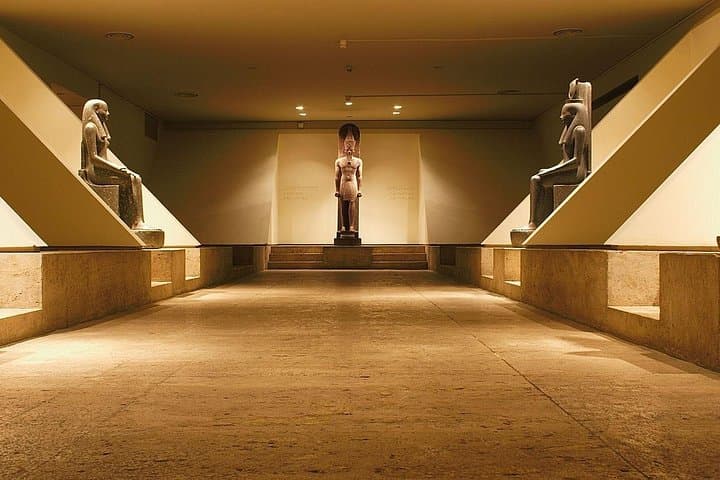
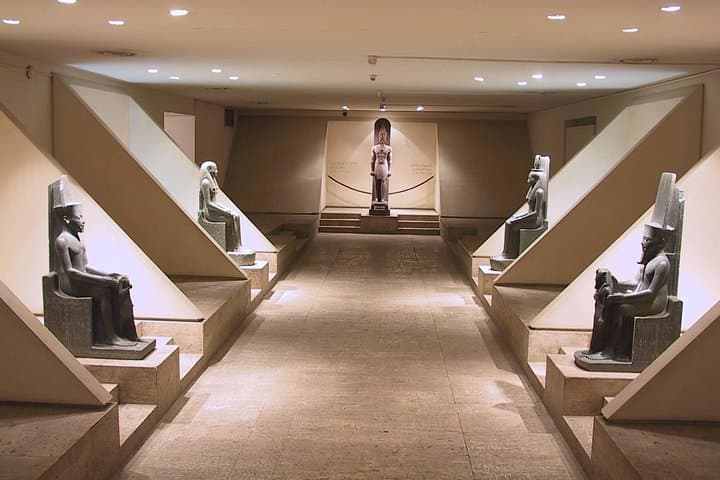
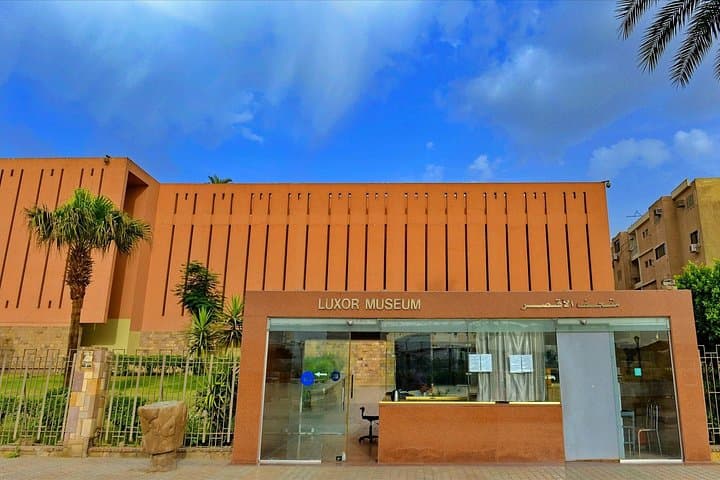
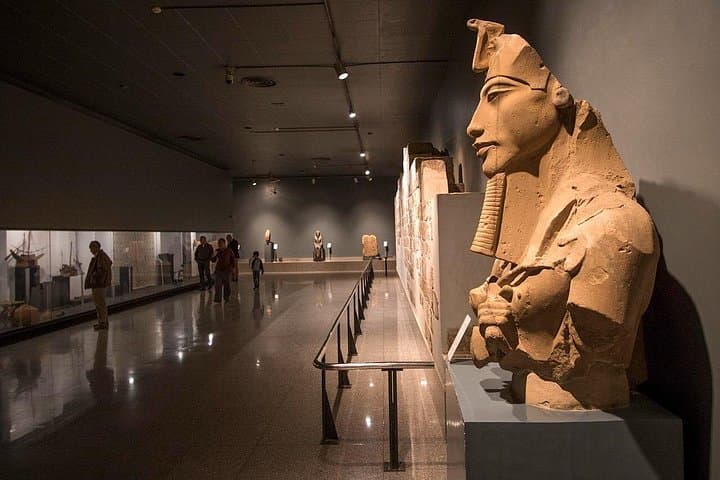
You step from a shaded hotel driveway into an air-conditioned van and the hot Nile breeze is suddenly held at bay. Within minutes the modern museum building appears along Luxor’s corniche—clean lines and low walls that keep the artifacts the real show. Inside, the air smells faintly of stone and dust, and the guide’s voice threads stories through rooms of carved reliefs, jewelry, and the careful faces of pharaonic statuary.
You step from a shaded hotel driveway into an air-conditioned van and the hot Nile breeze is suddenly held at bay. Within minutes the modern museum building appears along Luxor’s corniche—clean lines and low walls that keep the artifacts the real show. Inside, the air smells faintly of stone and dust, and the guide’s voice threads stories through rooms of carved reliefs, jewelry, and the careful faces of pharaonic statuary.
The Luxor Museum was built to house finds from nearby Thebes and reopened with refreshed displays to give chronological context to the Late Period and New Kingdom objects. Geology and climate shaped these collections: Nile silt preserved organic materials along the riverbanks, while the surrounding desert kept stonework intact. Culturally, Luxor sits where daily life and funerary ritual met—the museum’s mummies, coffins, and votive objects make that relationship immediate.
Expect concentrated interpretation—guided stops at key pieces, time for photos, then free moments to browse a compact shop. The tour’s pace suits visitors who want depth without a full-day outing. Practical notes: the building is single-level with ramps and seating; photography rules can change, so ask the guide; bring a light layer for the cool galleries after the Egyptian sun.
Finish with a short stroll along the corniche or a coffee at a nearby café to let the artifacts settle in. Three hours gives you context and highlights—enough history to frame visits to the temples and necropolises that surround Luxor.