THE ADVENTURE COLLECTIVE® · Independent discovery and booking for outdoor travel

Walk behind the scenes at Maracanã Stadium with a private guide — explore locker rooms, pitchside access and the museum that charts Brazil’s football history. This two-hour tour pairs cultural context with exclusive access for an intimate look at one of the sport’s most iconic venues.
Walk behind the scenes at Maracanã Stadium with a private guide — explore locker rooms, pitchside access and the museum that charts Brazil’s football history. This two-hour tour pairs cultural context with exclusive access for an intimate look at one of the sport’s most iconic venues.
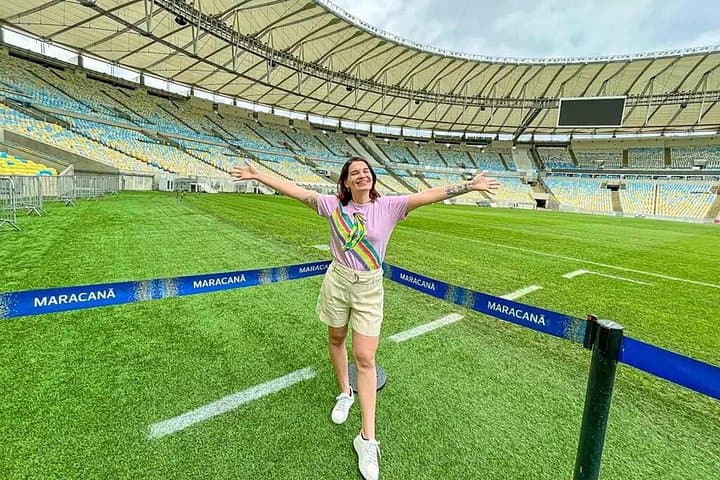
You arrive under the stadium lights long after the cheers have faded — a vast concrete ring that still hums with the memory of millions. Your private guide leads you through a back door into corridors that smell faintly of polish and grass, past faded posters and locker-room lockers that have held legends. The pitch looms, a green stage where history still seems to breathe.
Verified experiences and guided adventures in the surrounding area.
Operated by FORTALEZA EXPERIENCE TOUR · Rio de Janeiro, Rio de Janeiro
You arrive under the stadium lights long after the cheers have faded — a vast concrete ring that still hums with the memory of millions. Your private guide leads you through a back door into corridors that smell faintly of polish and grass, past faded posters and locker-room lockers that have held legends. The pitch looms, a green stage where history still seems to breathe.
Opened for the 1950 World Cup and rebuilt for the 2014 tournament, Maracanã is as much a social landmark as a sporting arena. Its bowl-shaped architecture reflects mid-20th-century engineering and the layered cultural life of Rio, where football intersects with music, politics, and neighborhood identity in the Maracanã district.
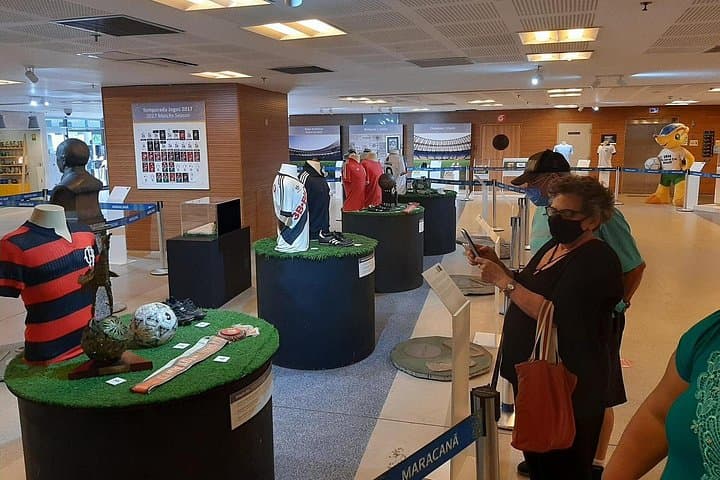
Expect museum displays of jerseys, trophies, and archival photos of Pelé, Zico and Garrincha, plus access to player areas: the locker rooms, tunnel, press room and pitchside. Your guide will ground stories in local context — how the stadium shaped community rituals and hosted concerts and civic events beyond the game.
Practicalities: the tour is gentle walking over flat surfaces with steps; allow about two hours. Check the schedule in advance — match days can close parts of the venue — and bring ID for entry. Wear comfortable shoes and a light layer; security checks are standard. Public transit (metro and buses) serves the area, but private round-trip transport is commonly offered for convenience.
This private format gives time to ask questions, photograph select areas, and experience Maracanã as both modern stadium and cultural landmark — not just a place where matches happen, but where Rio’s passion for football is on public display.
Access can be limited or altered on match days; operators will reschedule or notify you if the chosen time conflicts with events — always confirm ahead.
Much of the stadium has accessible routes, but some back‑of-house areas may have limited access; inform the operator of mobility needs when booking.
Photography is generally permitted in public areas and the museum, but flash and access to certain restricted rooms may be prohibited — follow your guide’s instructions.
Many private options include round‑trip transportation; check the booking details and pickup point during reservation as some pick-ups require coordination.
FORTALEZA EXPERIENCE TOUR operates guided outdoor trips and adventures with an emphasis on safety, stewardship, and memorable experiences.
You arrive under the stadium lights long after the cheers have faded — a vast concrete ring that still hums with the memory of millions. Your private guide leads you through a back door into corridors that smell faintly of polish and grass, past faded posters and locker-room lockers that have held legends. The pitch looms, a green stage where history still seems to breathe.
You arrive under the stadium lights long after the cheers have faded — a vast concrete ring that still hums with the memory of millions. Your private guide leads you through a back door into corridors that smell faintly of polish and grass, past faded posters and locker-room lockers that have held legends. The pitch looms, a green stage where history still seems to breathe.
Opened for the 1950 World Cup and rebuilt for the 2014 tournament, Maracanã is as much a social landmark as a sporting arena. Its bowl-shaped architecture reflects mid-20th-century engineering and the layered cultural life of Rio, where football intersects with music, politics, and neighborhood identity in the Maracanã district.
Expect museum displays of jerseys, trophies, and archival photos of Pelé, Zico and Garrincha, plus access to player areas: the locker rooms, tunnel, press room and pitchside. Your guide will ground stories in local context — how the stadium shaped community rituals and hosted concerts and civic events beyond the game.
Practicalities: the tour is gentle walking over flat surfaces with steps; allow about two hours. Check the schedule in advance — match days can close parts of the venue — and bring ID for entry. Wear comfortable shoes and a light layer; security checks are standard. Public transit (metro and buses) serves the area, but private round-trip transport is commonly offered for convenience.
This private format gives time to ask questions, photograph select areas, and experience Maracanã as both modern stadium and cultural landmark — not just a place where matches happen, but where Rio’s passion for football is on public display.