THE ADVENTURE COLLECTIVE® · Independent discovery and booking for outdoor travel

Walk from Harajuku’s bustle into a man-made forest and a quiet imperial garden on this private two-hour tour. Learn Shinto rituals and explore Shinen Garden with a local guide while enjoying easy, well-maintained paths.
Walk from Harajuku’s bustle into a man-made forest and a quiet imperial garden on this private two-hour tour. Learn Shinto rituals and explore Shinen Garden with a local guide while enjoying easy, well-maintained paths.
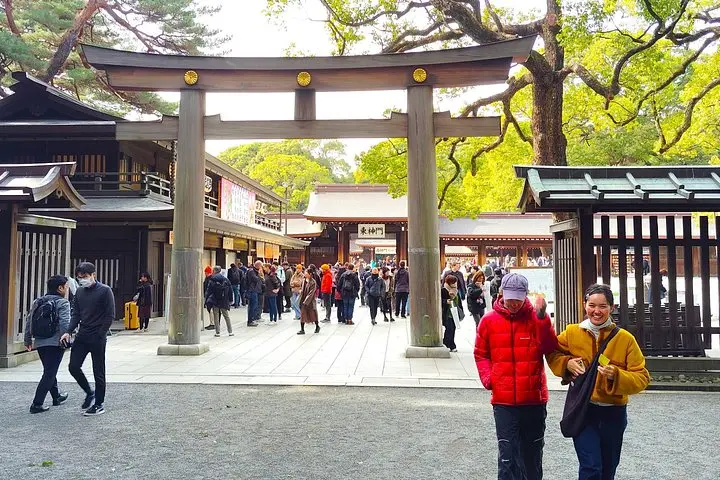
You step under the weathered Ichino Torii and the city’s roar contracts to the whisper of leaves.
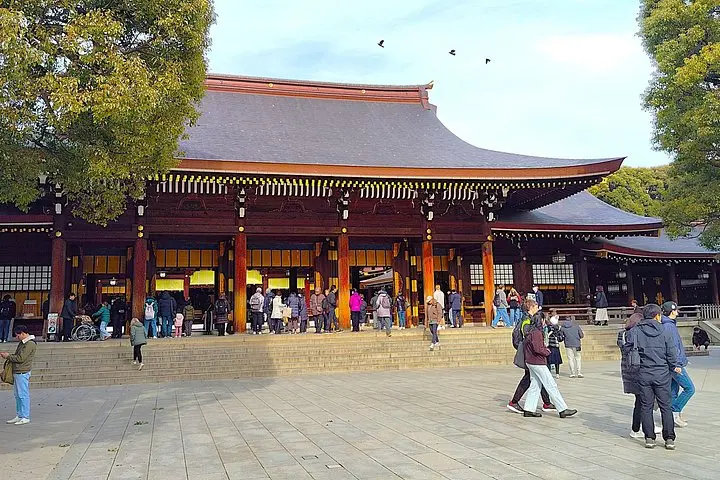
Sunlight slices through tall cedars and you follow a gravel path where the air smells faintly of cedar and incense. A private guide paces the route, pausing at a temizu basin and explaining how visitors cleanse hands before approaching the honden.
Verified experiences and guided adventures in the surrounding area.
Operated by DeepExperience · Tokyo, Tokyo
You step under the weathered Ichino Torii and the city’s roar contracts to the whisper of leaves.
Sunlight slices through tall cedars and you follow a gravel path where the air smells faintly of cedar and incense. A private guide paces the route, pausing at a temizu basin and explaining how visitors cleanse hands before approaching the honden.
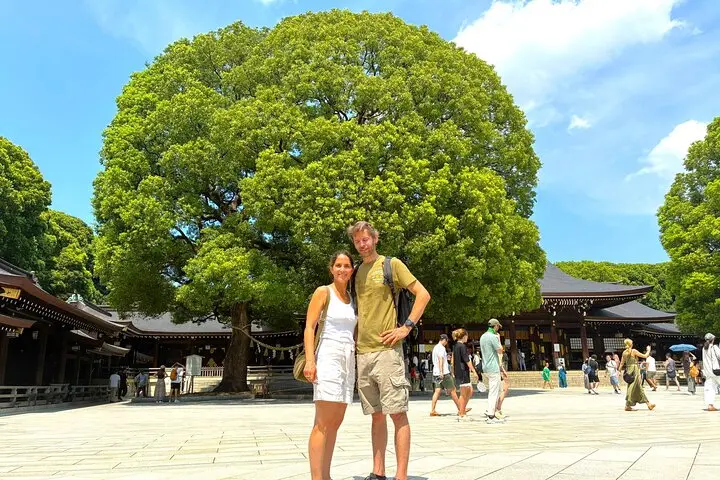
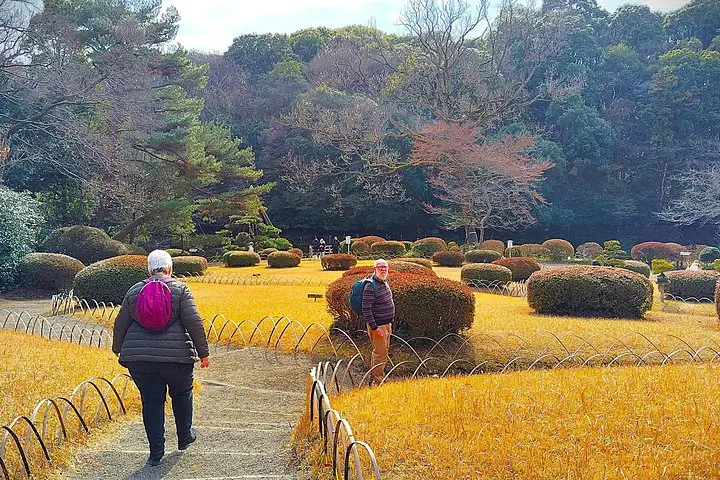
Meiji Jingu was established after the Meiji Emperor's death to honor the leaders who shaped modern Japan; the surrounding 700,000-square-meter forest was planted to create a deliberate green buffer inside Tokyo. The Inner Garden, often called Shinen, served as a quieter imperial retreat and preserves a pond, winding streams and willow groves that contrast with Harajuku’s commercial streets a short walk away.
Geology here is flat, reclaimed alluvial plain—paths are compact dirt and gravel with short stone steps rather than steep climbs. Culture is tactile: offerings, ema plaques, and omikuji fortunes give immediate access to living tradition. Expect attentive silence around shrine structures and animated explanation from guides about Shinto practices and seasonal plantings.
Practical note: the loop covers roughly 1–2 km on mostly even ground with minimal elevation gain; plan for 90–120 minutes. Wear comfortable shoes, carry water, and respect photography rules around worship spaces. Morning slots offer softer light and fewer crowds; combine the tour with time in Harajuku or Yoyogi Park afterward.
Yes—entrance to the Shinen (Inner) Garden and standard experience fees are included in the tour price.
Much of the shrine grounds are on gravel paths and some areas are uneven; the operator notes limited wheelchair access and it may not be suitable for guests with significant mobility issues.
Photography is permitted outdoors; be respectful near the main shrine buildings and follow your guide’s instructions about restricted areas and rituals.
No—the tour includes an English-speaking guide, and explanations are provided in accessible English alongside local context.
DeepExperience operates guided outdoor trips and adventures with an emphasis on safety, stewardship, and memorable experiences.
You step under the weathered Ichino Torii and the city’s roar contracts to the whisper of leaves.
Sunlight slices through tall cedars and you follow a gravel path where the air smells faintly of cedar and incense. A private guide paces the route, pausing at a temizu basin and explaining how visitors cleanse hands before approaching the honden.
Meiji Jingu was established after the Meiji Emperor's death to honor the leaders who shaped modern Japan; the surrounding 700,000-square-meter forest was planted to create a deliberate green buffer inside Tokyo. The Inner Garden, often called Shinen, served as a quieter imperial retreat and preserves a pond, winding streams and willow groves that contrast with Harajuku’s commercial streets a short walk away.
Geology here is flat, reclaimed alluvial plain—paths are compact dirt and gravel with short stone steps rather than steep climbs. Culture is tactile: offerings, ema plaques, and omikuji fortunes give immediate access to living tradition. Expect attentive silence around shrine structures and animated explanation from guides about Shinto practices and seasonal plantings.
Practical note: the loop covers roughly 1–2 km on mostly even ground with minimal elevation gain; plan for 90–120 minutes. Wear comfortable shoes, carry water, and respect photography rules around worship spaces. Morning slots offer softer light and fewer crowds; combine the tour with time in Harajuku or Yoyogi Park afterward.