THE ADVENTURE COLLECTIVE® · Independent discovery and booking for outdoor travel

Spend three hours with a private guide through Mexico's National Museum of Anthropology, from Olmec giants to the Aztec Sun Stone. This tour pairs close-up artifact study with local context—ideal for travelers who want depth and convenience in Mexico City's cultural heart.
Spend three hours with a private guide through Mexico's National Museum of Anthropology, from Olmec giants to the Aztec Sun Stone. This tour pairs close-up artifact study with local context—ideal for travelers who want depth and convenience in Mexico City's cultural heart.
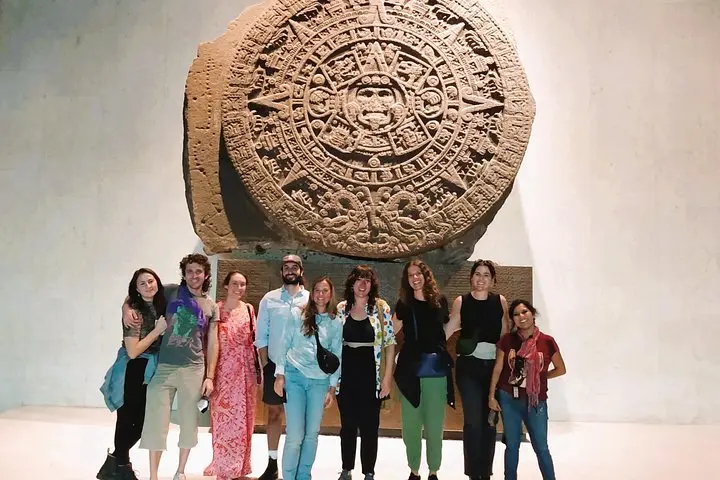
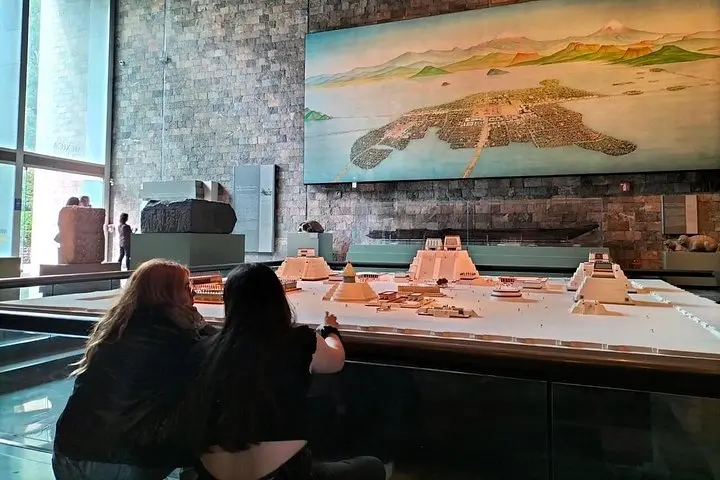
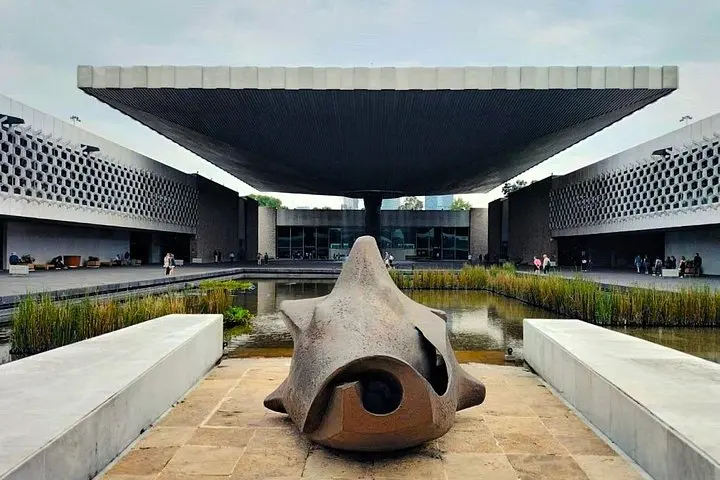
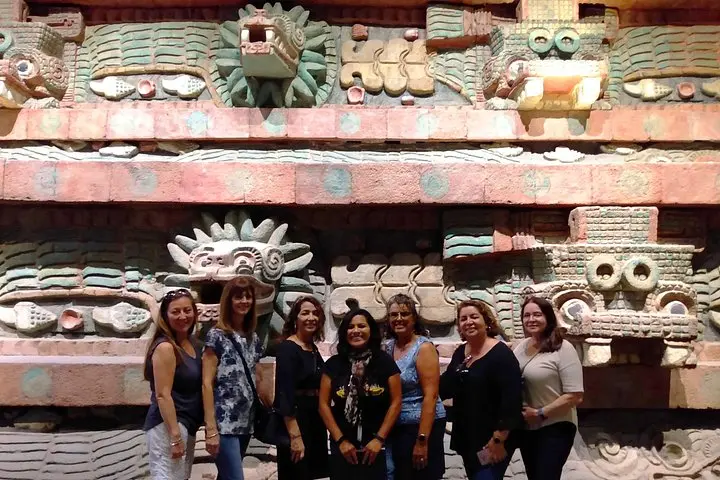
You step through the museum's broad concrete portal and the city noise thins; inside, stone and shadow hold court. For three hours a private guide moves you room to room—Olmec heads that seem to watch your pace, a Mayan stela that hushes conversation, and the Aztec Sun Stone staged like a planet at the museum's heart. The layout directs you geographically and temporally, so the flow of objects becomes a map of changing empires.
Verified experiences and guided adventures in the surrounding area.
Operated by Under Mexico · Mexico City, CDMX
You step through the museum's broad concrete portal and the city noise thins; inside, stone and shadow hold court. For three hours a private guide moves you room to room—Olmec heads that seem to watch your pace, a Mayan stela that hushes conversation, and the Aztec Sun Stone staged like a planet at the museum's heart. The layout directs you geographically and temporally, so the flow of objects becomes a map of changing empires.
Opened in 1964 and designed by Pedro Ramírez Vázquez, the museum was built to present Mexico's pre-Hispanic cultures on a national stage. Its galleries display materials carved from basalt and obsidian sourced from volcanic highlands, ceramics fired in valley kilns, and textiles that survived by careful conservation.
Beyond artifacts, the museum sits on the edge of Chapultepec Park, offering a quick contrast between urban green and curated history. Local guides link objects to living traditions—Zapotec weaving techniques, Mixtec metalwork—and point out how geology and trade shaped cultural exchange across Mesoamerica.
Practical guidance is straightforward. Expect a paced, accessible three-hour visit with admission included. Wear comfortable shoes: galleries are expansive and often on concrete floors. Photography rules vary by gallery—ask your guide before using flash. Peak times are late morning and weekends; early afternoon tours move more smoothly. If mobility is a concern, the museum has ramps and elevators and the tour can be adapted. Bring a small bottle of water, a notebook, and curiosity. The collection rewards slow attention: the details—tool marks, pigment traces, carved iconography—are what turn a visit from sightseeing into real understanding.
Yes; this private tour description includes museum admission as part of the booking.
The museum has ramps and elevators and the tour can be adapted; mention mobility needs when booking.
Photography is allowed in many galleries without flash but varies by object—confirm with your guide before photographing.
Guides often speak Spanish and English; specify language needs at booking to ensure availability.
Under Mexico operates guided outdoor trips and adventures with an emphasis on safety, stewardship, and memorable experiences.
You step through the museum's broad concrete portal and the city noise thins; inside, stone and shadow hold court. For three hours a private guide moves you room to room—Olmec heads that seem to watch your pace, a Mayan stela that hushes conversation, and the Aztec Sun Stone staged like a planet at the museum's heart. The layout directs you geographically and temporally, so the flow of objects becomes a map of changing empires.
You step through the museum's broad concrete portal and the city noise thins; inside, stone and shadow hold court. For three hours a private guide moves you room to room—Olmec heads that seem to watch your pace, a Mayan stela that hushes conversation, and the Aztec Sun Stone staged like a planet at the museum's heart. The layout directs you geographically and temporally, so the flow of objects becomes a map of changing empires.
Opened in 1964 and designed by Pedro Ramírez Vázquez, the museum was built to present Mexico's pre-Hispanic cultures on a national stage. Its galleries display materials carved from basalt and obsidian sourced from volcanic highlands, ceramics fired in valley kilns, and textiles that survived by careful conservation.
Beyond artifacts, the museum sits on the edge of Chapultepec Park, offering a quick contrast between urban green and curated history. Local guides link objects to living traditions—Zapotec weaving techniques, Mixtec metalwork—and point out how geology and trade shaped cultural exchange across Mesoamerica.
Practical guidance is straightforward. Expect a paced, accessible three-hour visit with admission included. Wear comfortable shoes: galleries are expansive and often on concrete floors. Photography rules vary by gallery—ask your guide before using flash. Peak times are late morning and weekends; early afternoon tours move more smoothly. If mobility is a concern, the museum has ramps and elevators and the tour can be adapted. Bring a small bottle of water, a notebook, and curiosity. The collection rewards slow attention: the details—tool marks, pigment traces, carved iconography—are what turn a visit from sightseeing into real understanding.