THE ADVENTURE COLLECTIVE® · Independent discovery and booking for outdoor travel

Explore the Freedom Tower’s two floors of immersive media, oral histories and archival artifacts that trace Miami’s role as a gateway for migrants. Practical details—ticketing, accessibility and nearby transit—help you plan a concise, meaningful visit.
Explore the Freedom Tower’s two floors of immersive media, oral histories and archival artifacts that trace Miami’s role as a gateway for migrants. Practical details—ticketing, accessibility and nearby transit—help you plan a concise, meaningful visit.
A visitor steps up the wide stone steps and the tower’s façade seems to hold the salt air at bay, a bright rectangle against the city skyline. Inside, light shifts across two floors of galleries where projection, archival photos and personal objects map journeys from exile to arrival—voices that shaped Miami’s cultural life.
Verified experiences and guided adventures in the surrounding area.
Operated by Freedom Tower · Miami, Florida
A visitor steps up the wide stone steps and the tower’s façade seems to hold the salt air at bay, a bright rectangle against the city skyline. Inside, light shifts across two floors of galleries where projection, archival photos and personal objects map journeys from exile to arrival—voices that shaped Miami’s cultural life.
The building itself is history: opened in the 1920s as a newspaper hub, later repurposed in the 1960s as a Cuban Refugee Center that processed tens of thousands. Geologically, the site sits on Miami’s limestone plain at the edge of Biscayne Bay; the city’s flat, coastal geology makes the tower a vertical punctuation in an otherwise low-rise urban plain.
Exhibits range from Libertad’s intimate oral histories to the Kislak Center’s Languages of Migration, where maps and interactive displays connect local stories to global movements. The museum bridges civic memory and contemporary immigration debates—expect a blend of documentary media, artifacts and spaces to reflect.
Practical guidance: admission runs about 60–120 minutes; tickets are mobile-only and you’ll present a voucher at the front desk. There’s free parking in a designated garage and public transit is nearby; the site is wheelchair and stroller accessible. Weekdays in the morning are least crowded; allow extra time for special installations and photography. Respect archival displays—no flash in some galleries—and check the museum’s hours before you go. For anyone interested in modern migration, urban history or civic architecture, the Freedom Tower offers a compact, focused visit that connects Miami’s past to its present.
Plan 60–120 minutes to move through the core galleries; allow more time if you want to read every panel or use interactive stations.
Tickets are mobile-only; the product provides admission rather than a strict timed entry—present your voucher at the front desk on arrival.
Yes. The museum and galleries are wheelchair and stroller accessible, with elevators between floors and accessible restrooms.
Yes. The listing includes free parking in a designated parking garage; read signage on arrival and confirm with the front desk for designated spaces.
Freedom Tower operates guided outdoor trips and adventures with an emphasis on safety, stewardship, and memorable experiences.
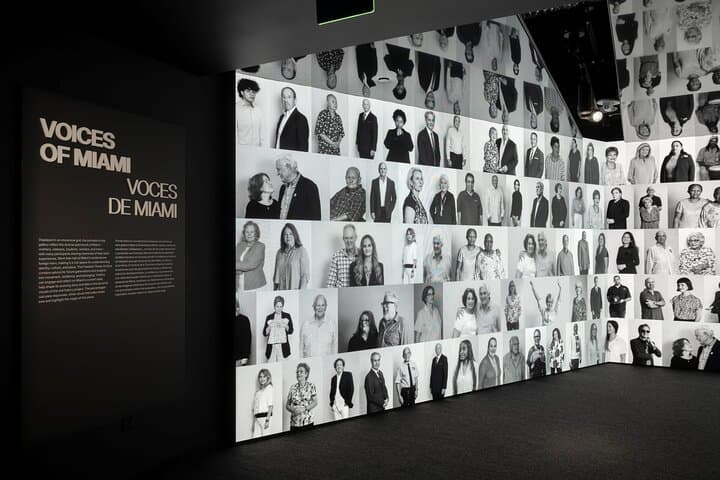
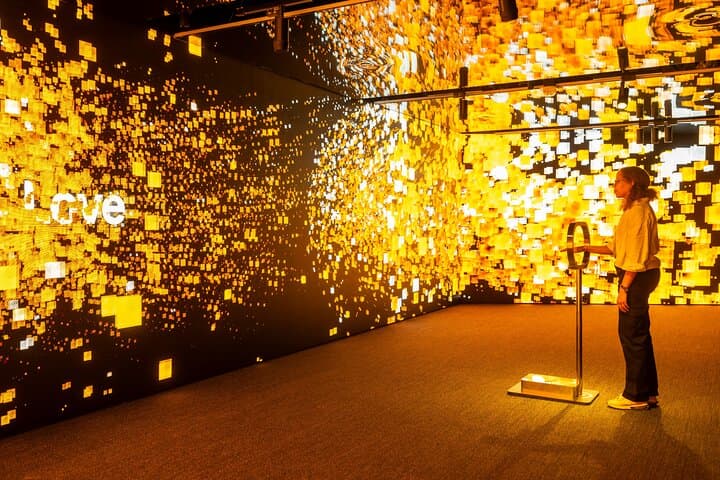
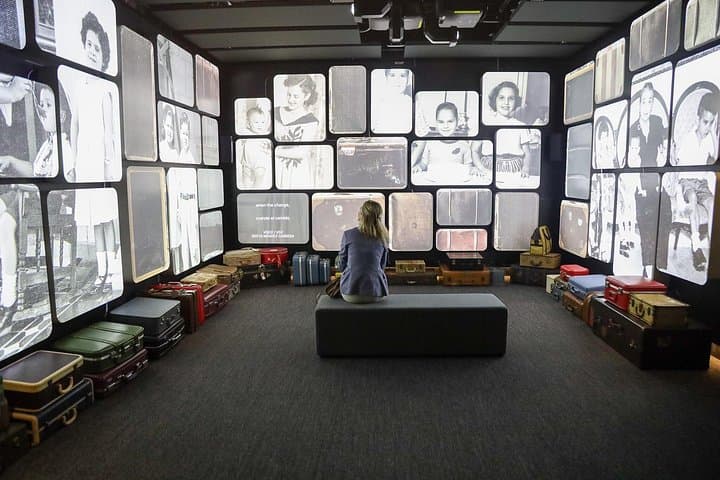
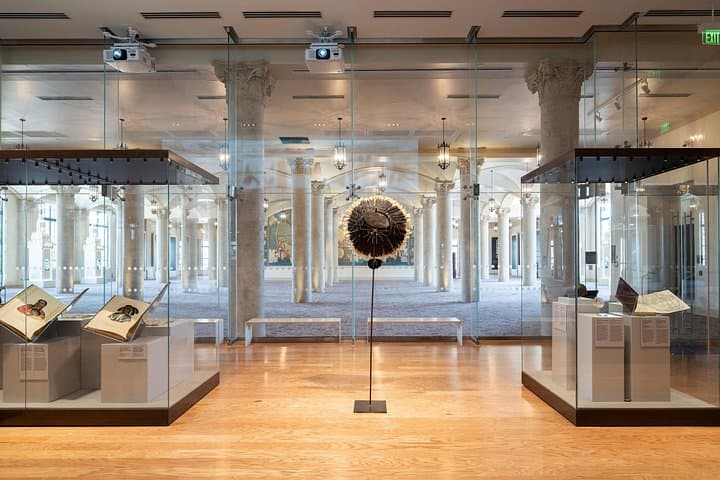
A visitor steps up the wide stone steps and the tower’s façade seems to hold the salt air at bay, a bright rectangle against the city skyline. Inside, light shifts across two floors of galleries where projection, archival photos and personal objects map journeys from exile to arrival—voices that shaped Miami’s cultural life.
A visitor steps up the wide stone steps and the tower’s façade seems to hold the salt air at bay, a bright rectangle against the city skyline. Inside, light shifts across two floors of galleries where projection, archival photos and personal objects map journeys from exile to arrival—voices that shaped Miami’s cultural life.
The building itself is history: opened in the 1920s as a newspaper hub, later repurposed in the 1960s as a Cuban Refugee Center that processed tens of thousands. Geologically, the site sits on Miami’s limestone plain at the edge of Biscayne Bay; the city’s flat, coastal geology makes the tower a vertical punctuation in an otherwise low-rise urban plain.
Exhibits range from Libertad’s intimate oral histories to the Kislak Center’s Languages of Migration, where maps and interactive displays connect local stories to global movements. The museum bridges civic memory and contemporary immigration debates—expect a blend of documentary media, artifacts and spaces to reflect.
Practical guidance: admission runs about 60–120 minutes; tickets are mobile-only and you’ll present a voucher at the front desk. There’s free parking in a designated garage and public transit is nearby; the site is wheelchair and stroller accessible. Weekdays in the morning are least crowded; allow extra time for special installations and photography. Respect archival displays—no flash in some galleries—and check the museum’s hours before you go. For anyone interested in modern migration, urban history or civic architecture, the Freedom Tower offers a compact, focused visit that connects Miami’s past to its present.