THE ADVENTURE COLLECTIVE® · Independent discovery and booking for outdoor travel

Explore the Mobile Carnival Museum—home to crowns, robes and the story of America’s oldest Mardi Gras. This concise guide covers what to expect, practical tips, and when to join a docent-led tour.
Explore the Mobile Carnival Museum—home to crowns, robes and the story of America’s oldest Mardi Gras. This concise guide covers what to expect, practical tips, and when to join a docent-led tour.
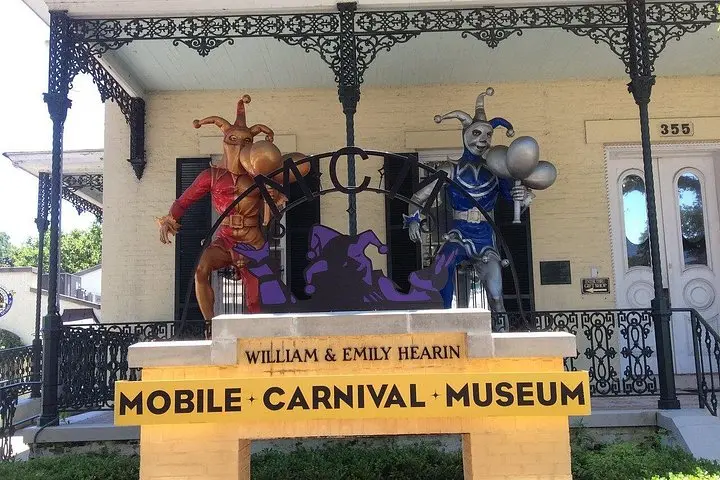
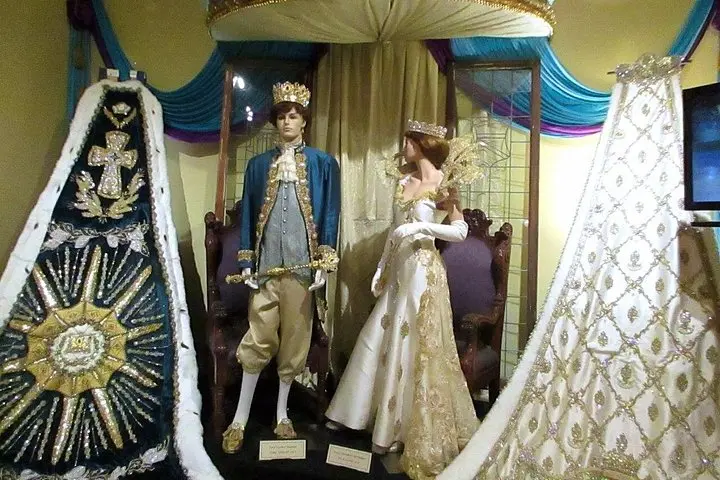
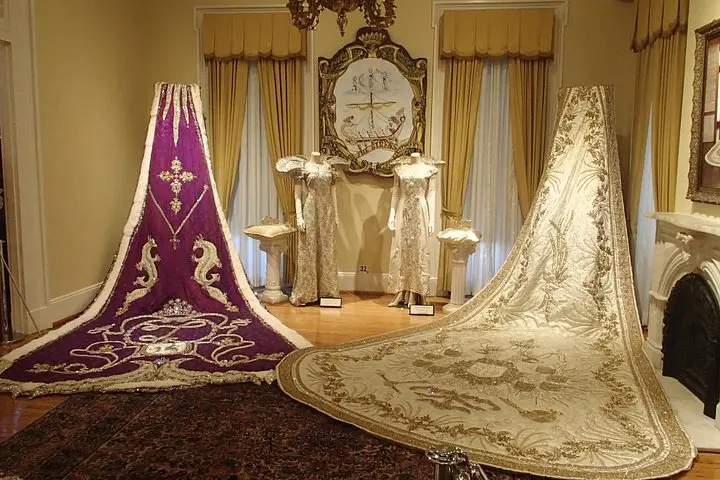
Stepping into the Mobile Carnival Museum is like walking behind a parade float: chandeliers cast a steady glow on bejeweled robes, and crown-lined cases sit like small altars to a civic ritual. The restored historic mansion holds fourteen gallery rooms where the artifacts of Mobile’s Mardi Gras—crowns, scepters, robes and float photographs—are displayed with the deliberate intimacy of a private collection.
Verified experiences and guided adventures in the surrounding area.
Operated by Mobile Carnival Museum · Mobile, Alabama
Stepping into the Mobile Carnival Museum is like walking behind a parade float: chandeliers cast a steady glow on bejeweled robes, and crown-lined cases sit like small altars to a civic ritual. The restored historic mansion holds fourteen gallery rooms where the artifacts of Mobile’s Mardi Gras—crowns, scepters, robes and float photographs—are displayed with the deliberate intimacy of a private collection.
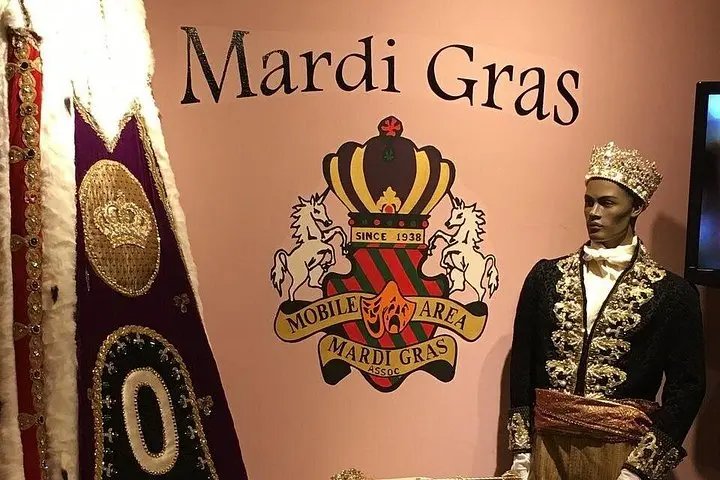
Mobile claims the title of America’s oldest Mardi Gras, and that lineage shows in the museum’s design. Pine floors and detailed crown moldings frame displays that trace the festival from 19th-century gentlemen’s mystic societies to the modern, community-centered krewes. The pictorial hallway and theater add context: old parade routes, float construction techniques, and the social function of costuming in a port city shaped by trade and diverse cultural contact.
Expect docent-led runs at 9:30, 11:00 and 1:30, or a self-guided on-cell audio tour if you prefer to move at your own pace. The museum is largely accessible, family-friendly, and compact—an hour covers the essentials without rush. Practical tips: arrive early for parking and possible morning tours, bring a charged phone for the on-cell experience, and allow time to browse the Little Mystics Den if visiting with kids.
Whether you’re a Mardi Gras veteran or curious newcomer, the museum pairs tactile costume study with civic storytelling. It’s an easy, well-curated cultural stop downtown that rewards those who show up ready to read labels and imagine the city’s streets filled with color and procession.
Most visitors spend about 45–75 minutes; guided tours run 60 minutes and self-guided visitors may take less or more depending on interest.
Docent tours are offered Monday, Wednesday, Friday and Saturday at 9:30, 11:00 and 1:30; check the museum schedule for changes.
Yes — the site lists wheelchair and stroller accessibility, though some historic features may require assistance.
Yes — complimentary parking is provided at the on-site lot for museum guests.
Mobile Carnival Museum operates guided outdoor trips and adventures with an emphasis on safety, stewardship, and memorable experiences.
Stepping into the Mobile Carnival Museum is like walking behind a parade float: chandeliers cast a steady glow on bejeweled robes, and crown-lined cases sit like small altars to a civic ritual. The restored historic mansion holds fourteen gallery rooms where the artifacts of Mobile’s Mardi Gras—crowns, scepters, robes and float photographs—are displayed with the deliberate intimacy of a private collection.
Stepping into the Mobile Carnival Museum is like walking behind a parade float: chandeliers cast a steady glow on bejeweled robes, and crown-lined cases sit like small altars to a civic ritual. The restored historic mansion holds fourteen gallery rooms where the artifacts of Mobile’s Mardi Gras—crowns, scepters, robes and float photographs—are displayed with the deliberate intimacy of a private collection.
Mobile claims the title of America’s oldest Mardi Gras, and that lineage shows in the museum’s design. Pine floors and detailed crown moldings frame displays that trace the festival from 19th-century gentlemen’s mystic societies to the modern, community-centered krewes. The pictorial hallway and theater add context: old parade routes, float construction techniques, and the social function of costuming in a port city shaped by trade and diverse cultural contact.
Expect docent-led runs at 9:30, 11:00 and 1:30, or a self-guided on-cell audio tour if you prefer to move at your own pace. The museum is largely accessible, family-friendly, and compact—an hour covers the essentials without rush. Practical tips: arrive early for parking and possible morning tours, bring a charged phone for the on-cell experience, and allow time to browse the Little Mystics Den if visiting with kids.
Whether you’re a Mardi Gras veteran or curious newcomer, the museum pairs tactile costume study with civic storytelling. It’s an easy, well-curated cultural stop downtown that rewards those who show up ready to read labels and imagine the city’s streets filled with color and procession.