THE ADVENTURE COLLECTIVE® · Independent discovery and booking for outdoor travel

Step into Nafplio’s only Komboloi Museum: four intimate rooms of beads, tools, and handwritten notes that reveal how a simple string of beads became a Greek cultural object. A short, tactile visit that fits neatly into a day exploring Old Town Nafplio.
Step into Nafplio’s only Komboloi Museum: four intimate rooms of beads, tools, and handwritten notes that reveal how a simple string of beads became a Greek cultural object. A short, tactile visit that fits neatly into a day exploring Old Town Nafplio.
Book with Komboloi Museum
Verified experiences and guided adventures in the surrounding area.
Operated by Komboloi Museum · Nafplio, Peloponnese
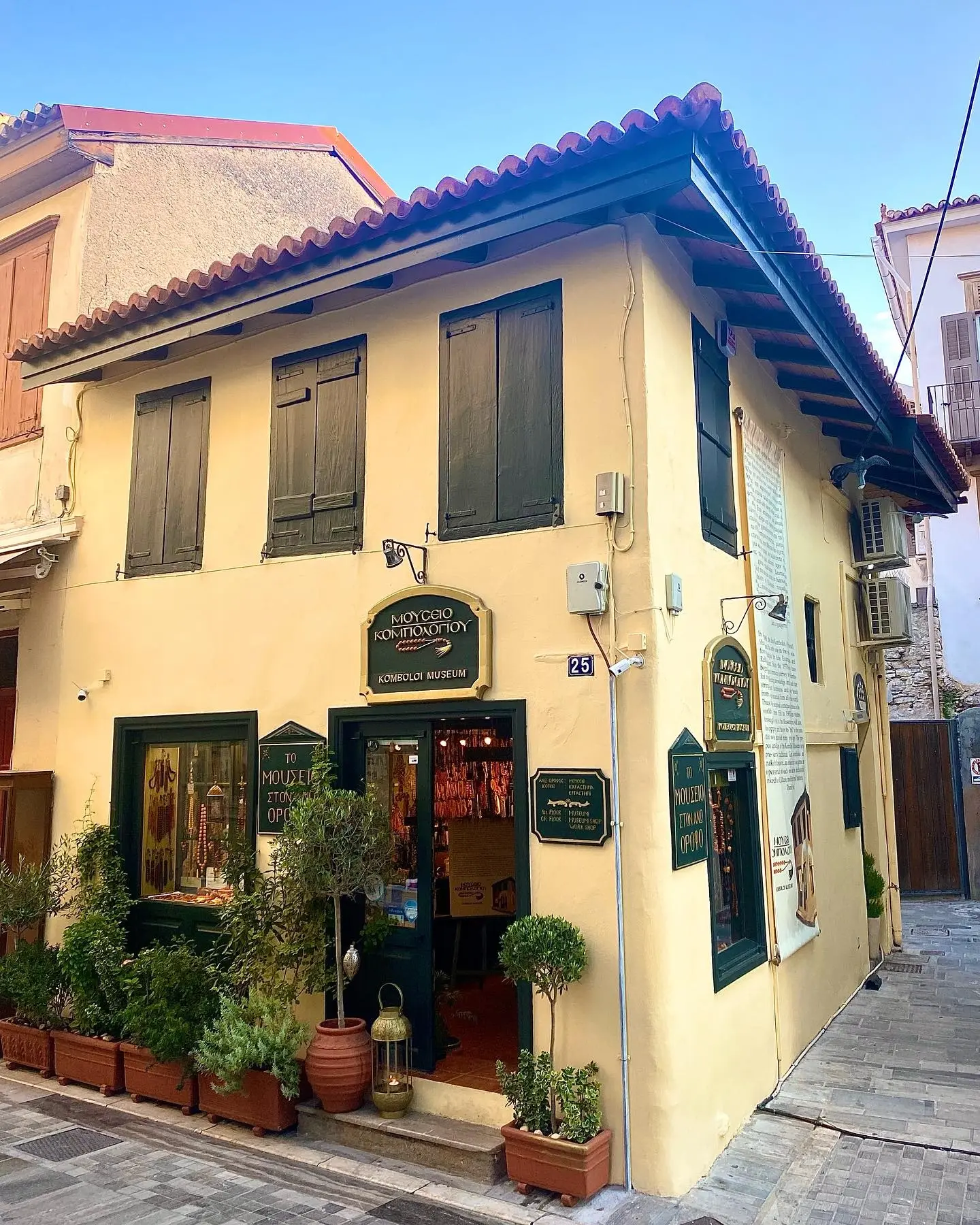
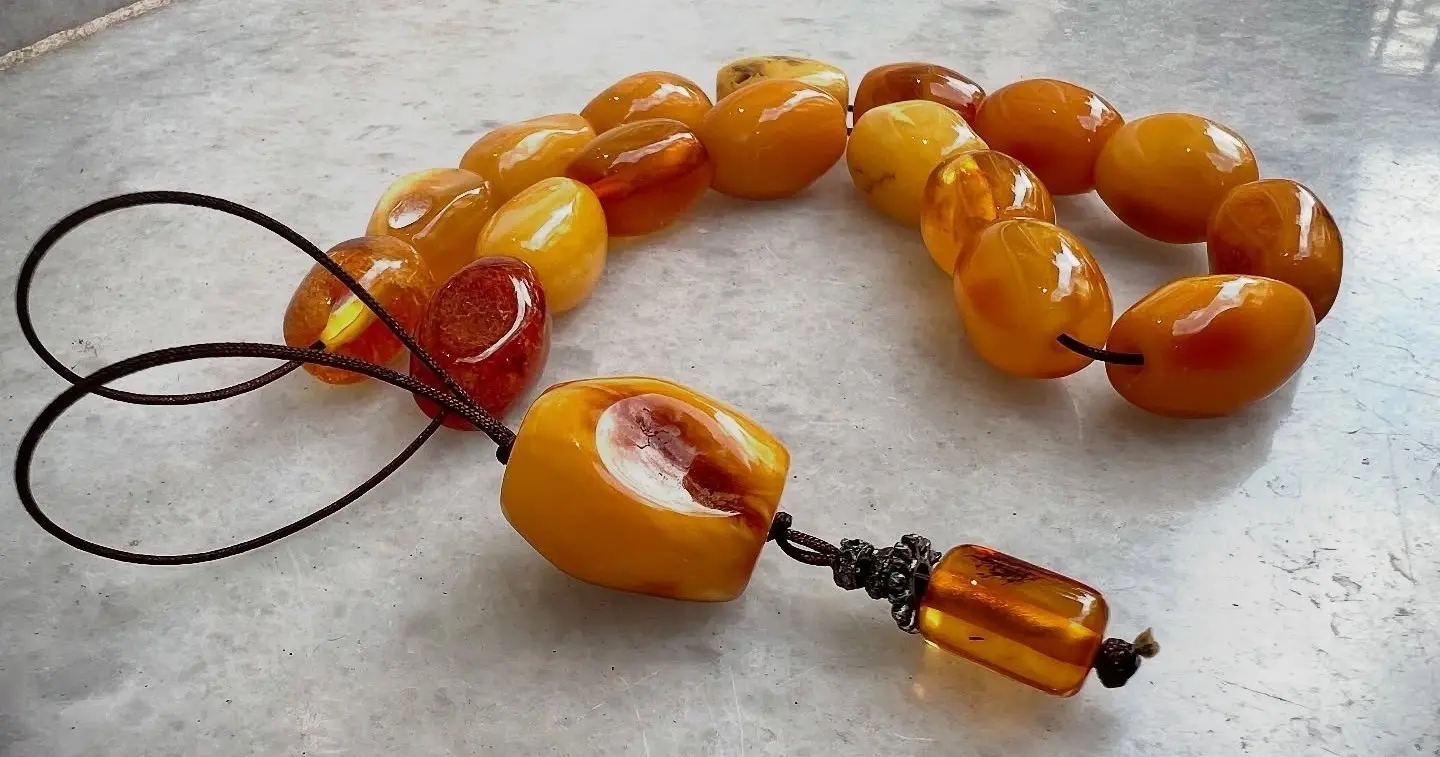
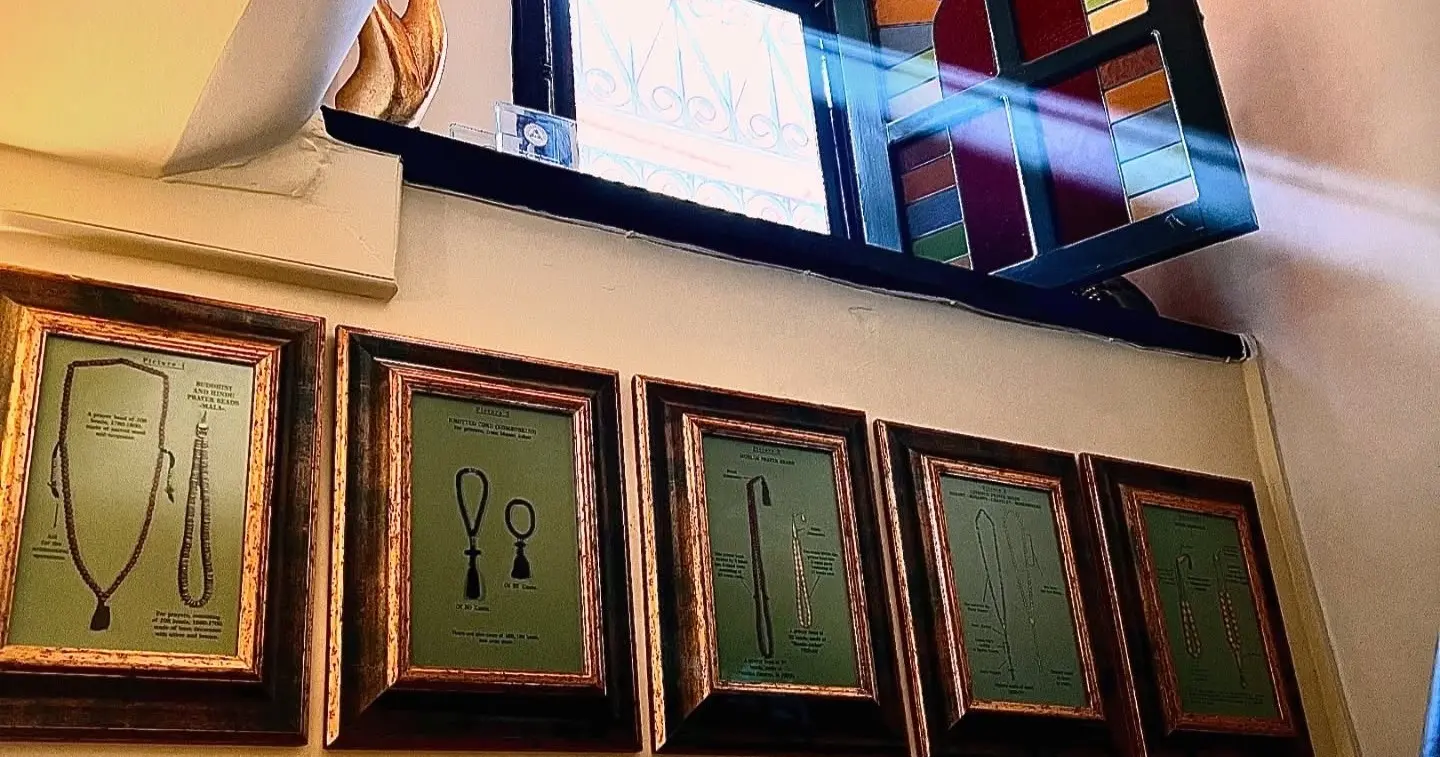
The Komboloi Museum in Nafplio is a compact, unexpected deep dive into one of Greece’s most tactile traditions. Housed in one of Nafplio’s oldest mid‑18th‑century buildings, the museum unfolds across four intimate rooms that trace the komboloi—worry beads—from handcrafted origins to modern practice. Walking in feels less like entering a gallery than being led through a family archive: cases of polished amber, carnelian, and prayer‑bead strings sit beside tools, photos, and explanatory panels that place this small object in the sweep of Greek social life.
Nafplio’s narrow streets and Venetian stone façades provide the perfect backdrop; the building’s original limestone and brick architecture is visible in doorways and window frames, and modest archaeological restrictions mean the space retains an authentic lived‑in quality. Because of that authenticity the museum limits visits to a maximum of 12 people at a time, and some areas are not fully accessible to visitors with mobility difficulties. The experience is self‑paced—your visit can be as brief or as lingering as you like—but expect 30 to 90 minutes to move comfortably through all four rooms.
What makes this place special is its focus. Komboloi are at once craft objects, social markers, and little mechanical rituals of concentration. The displays highlight local materials, traditional stringing techniques, and regional styles from carved wood and amber to modern beads. A single case of fossilized amber beads or a handwritten maker’s note can reveal larger cultural patterns: migration of craftsmen, trade routes through the Peloponnese, and everyday gestures in café culture.
For travelers, the museum is a smart add‑on to a day in Nafplio’s Old Town or an afternoon before climbing to Palamidi Fortress. It offers tactile connection to modern Greek life without needing a long museum itinerary. Practical details: check the booking link for availability and the museum’s refund policy, which allows full refund with 48 hours’ notice or in cases of extreme weather.
Beyond the displays, allow time to notice the building itself—the worn stair treads, exposed stone, and narrow gallery windows that frame sunlit streets. The visit rewards curious hands-on observers: look for maker’s marks on beads, compare textures, and pause at the small reading nook to absorb the social history panels. This focused, small‑group museum feels both scholarly and personal: an economical cultural stop that reveals how a handful of polished beads can hold centuries of craft, commerce, and everyday ritual in one compact, unforgettable place.
Before you go, note that guided tours and audio guides are not listed; the museum’s compact layout favors self‑guided observation and conversation with any on‑site staff. After the visit, follow the alleys toward the waterfront for coffee and to watch Nafplio life—café conversations are where komboloi move from object to habit.
Visits are self‑paced; most visitors spend 30–90 minutes exploring the four rooms and reading the panels.
Yes — the museum allows a maximum of 12 people inside at one time to preserve the space and artifacts.
The museum offers a full refund with 48 hours’ notice or in the case of extreme weather; check the booking link for details.
Because it occupies a mid‑18th‑century building with archaeological restrictions, some areas may not be fully accessible; plan accordingly.
Guided tours and audio guides are not listed in the structured description; the layout favors self‑guided observation and conversation with on‑site staff.
The structured description does not specify shop offerings; visitors often find local makers and shops nearby in Nafplio’s Old Town.
Komboloi Museum in Nafplio, Peloponnese, is Greece’s only Komboloi Museum and offers focused exhibits and hands-on experiences dedicated to the traditional komboloi (worry beads). The museum unfolds across four distinct rooms that present the history, regional craftsmanship, materials, and cultural meanings associated with komboloi. Visitors can purchase admissions tickets for self-paced exploration, join a guided tour for expert interpretation, participate in a Komboloi Workshop to craft a personalized worry bead set, or reserve a full package combining ticket, guided tour, and workshop. The Komboloi Workshop guides participants through selection of beads, stringing techniques, and finishing methods so each visitor leaves with a handmade, personalized souvenir. Admissions Tickets grant access to four immersive halls where displays and artifacts illustrate how komboloi evolved and were used in daily life. Guided tours emphasize interpretive context, highlight notable pieces, and explain traditional craftsmanship. The Full Package experience brings together vibrant colors, rich aromas, and centuries of tradition for an extended visit. The museum positions authenticity and education at the center of its offerings. Curated displays, clear informational signage, and structured workshops support visitors who want both learning and practical engagement. Scheduling options include individual admissions, timed guided tours, and workshop sessions to accommodate different travel plans. Located in the historic center of Nafplio, the Komboloi Museum complements regional cultural itineraries across the Peloponnese and provides a reliable, well-defined destination for travelers and culture enthusiasts seeking an in-depth look at Greece’s komboloi tradition. The museum's programming and clear descriptions help visitors plan their visits efficiently.
Book with Komboloi Museum