THE ADVENTURE COLLECTIVE® · Independent discovery and booking for outdoor travel
Spend a compact half-day on Museum Hill exploring Kenya’s human origins, natural history and live reptile exhibits. This guided tour pairs curated galleries with the Snake Park for an efficient introduction to Nairobi’s science and culture.
Spend a compact half-day on Museum Hill exploring Kenya’s human origins, natural history and live reptile exhibits. This guided tour pairs curated galleries with the Snake Park for an efficient introduction to Nairobi’s science and culture.
You step from the hotel lobby into Nairobi’s warm air and are led up Museum Hill, where the city’s history and its wilder edges meet within a single compound.
Verified experiences and guided adventures in the surrounding area.
Operated by Gracepatt Ecotours Kenya · Nairobi, Nairobi County
You step from the hotel lobby into Nairobi’s warm air and are led up Museum Hill, where the city’s history and its wilder edges meet within a single compound.
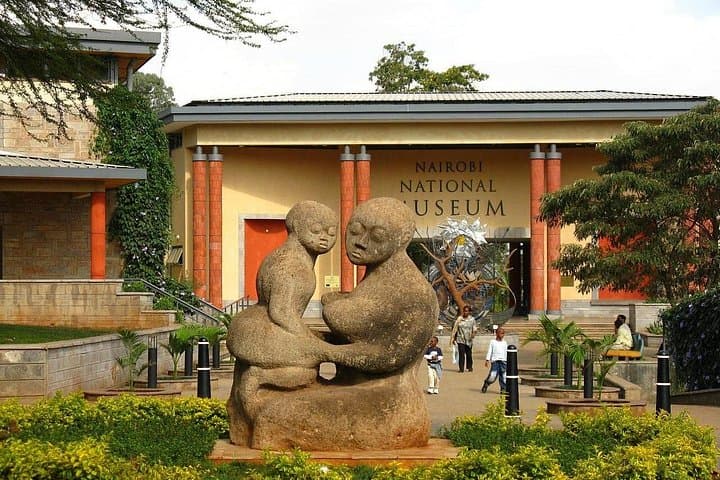
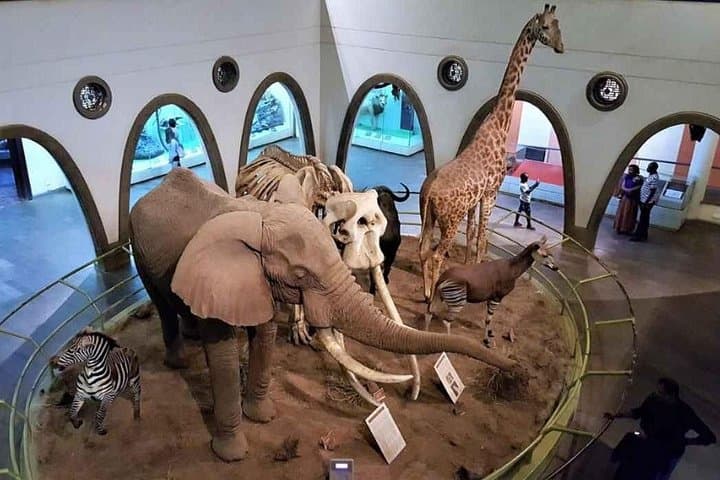
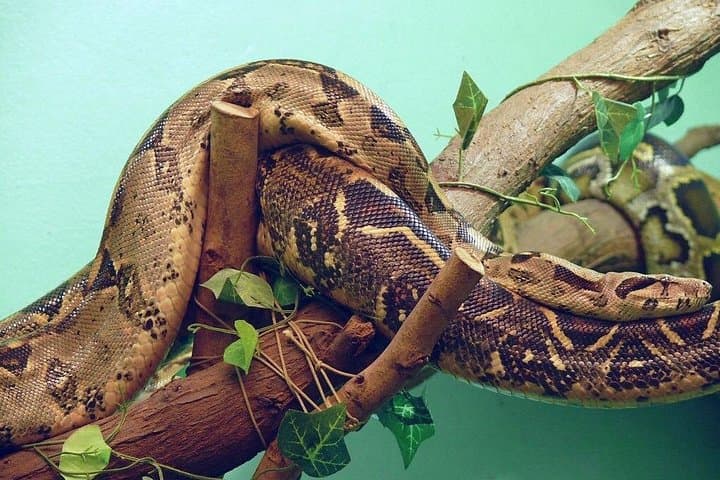
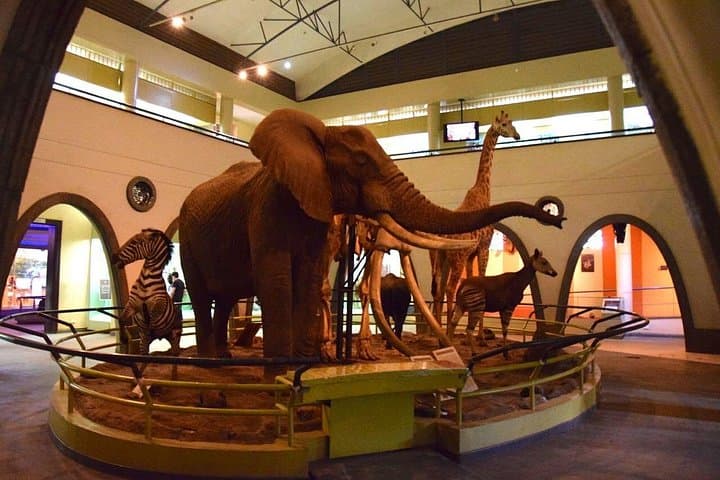
The National Museum opens like a practical field guide — galleries that move from geology and archaeology into culture, natural history and contemporary art. Fossils unearthed by Louis Leakey sit near displays of East African birds and large mounted mammals; the labels are precise and the lighting spare, encouraging close inspection rather than theatrics. Outside, the Snake Park clamps the experience to living wildlife: crocodiles sun themselves in concrete basins, stocky tortoises lumber past shaded enclosures and snakes coil, alert and unhurried.
Geology and human history converge here: the museum interprets Kenya’s place in the Rift Valley and its role in the story of early hominins. Cultural displays highlight Luhya, Kikuyu and Luo material culture alongside modern Kenyan artists, offering a compact primer when time in the countryside is limited.
Practically, expect a 2–3 hour visit with roughly 1–2 miles (1.5–3 km) of mostly paved walking and a few steps; minimal elevation change. The guided format includes hotel pickup, bottled water and admission, making it accessible for most travelers.
Plan for sun and steadier footing for enclosure viewing; photography is allowed but avoid flash near animals. Combine this half-day with market time in the city or an afternoon coffee at a nearby café — it’s an efficient way to move from safari-sized ideas to the specimens and stories that explain them.
The guided tour runs about 2–3 hours, including hotel pickup and drop-off and time in both the museum and Snake Park.
Yes — the tour includes hotel pickup and drop-off within Nairobi; confirm your pickup point when booking.
Yes — exhibits are on paved routes with minimal stairs; infants should sit on laps per the tour policy.
Yes — admission fees and a professional guide are included, along with bottled water.
Gracepatt Ecotours Kenya operates guided outdoor trips and adventures with an emphasis on safety, stewardship, and memorable experiences.
You step from the hotel lobby into Nairobi’s warm air and are led up Museum Hill, where the city’s history and its wilder edges meet within a single compound.
You step from the hotel lobby into Nairobi’s warm air and are led up Museum Hill, where the city’s history and its wilder edges meet within a single compound.
The National Museum opens like a practical field guide — galleries that move from geology and archaeology into culture, natural history and contemporary art. Fossils unearthed by Louis Leakey sit near displays of East African birds and large mounted mammals; the labels are precise and the lighting spare, encouraging close inspection rather than theatrics. Outside, the Snake Park clamps the experience to living wildlife: crocodiles sun themselves in concrete basins, stocky tortoises lumber past shaded enclosures and snakes coil, alert and unhurried.
Geology and human history converge here: the museum interprets Kenya’s place in the Rift Valley and its role in the story of early hominins. Cultural displays highlight Luhya, Kikuyu and Luo material culture alongside modern Kenyan artists, offering a compact primer when time in the countryside is limited.
Practically, expect a 2–3 hour visit with roughly 1–2 miles (1.5–3 km) of mostly paved walking and a few steps; minimal elevation change. The guided format includes hotel pickup, bottled water and admission, making it accessible for most travelers.
Plan for sun and steadier footing for enclosure viewing; photography is allowed but avoid flash near animals. Combine this half-day with market time in the city or an afternoon coffee at a nearby café — it’s an efficient way to move from safari-sized ideas to the specimens and stories that explain them.
