THE ADVENTURE COLLECTIVE® · Independent discovery and booking for outdoor travel

Nairobi National Park offers a rare safari experience just outside Kenya’s capital. Discover endangered rhinos, lions, and giraffes amid savannah landscapes edged by Nairobi’s skyline—and learn how this urban wilderness survives against the odds.
Nairobi National Park offers a rare safari experience just outside Kenya’s capital. Discover endangered rhinos, lions, and giraffes amid savannah landscapes edged by Nairobi’s skyline—and learn how this urban wilderness survives against the odds.
Just beyond the skyline of Kenya's bustling capital, Nairobi National Park defies expectations. This sprawling 117-square-kilometer reserve is the only protected wildlife sanctuary located within a major city, where savannah plains meet the urban edge. From the moment your safari vehicle rumbles onto its dirt roads, the landscape asserts itself: acacia trees lean into the warm breeze, wildebeest graze with casual vigilance, and the distant roars of lions hint at the wild beneath the city’s shadow.
Verified experiences and guided adventures in the surrounding area.
Operated by Homeland Adventures (HADVEN-TOURS) Kenya · Nairobi, Nairobi County
Just beyond the skyline of Kenya's bustling capital, Nairobi National Park defies expectations. This sprawling 117-square-kilometer reserve is the only protected wildlife sanctuary located within a major city, where savannah plains meet the urban edge. From the moment your safari vehicle rumbles onto its dirt roads, the landscape asserts itself: acacia trees lean into the warm breeze, wildebeest graze with casual vigilance, and the distant roars of lions hint at the wild beneath the city’s shadow.
Established in 1946, Nairobi National Park was created to protect Kenya’s unique wildlife heritage while sharing it with a growing metropolitan population. Its geology features open grasslands on volcanic soils that support a range of habitats—from dense thickets to dry riverbeds. The park’s proximity to Nairobi makes it a critical green lung, balancing conservation and development. Visitors encounter endangered species such as black and white rhinos, and the rare Rothschild giraffe, moving gracefully alongside more common residents like zebras, impalas, and hyenas.
Culturally, the area blends natural heritage with local Maasai traditions. Indigenous communities have long coexisted near these lands, and the park’s conservation efforts increasingly incorporate their knowledge and support. This private safari experience includes a certified local guide whose expertise extends beyond spotting wildlife—they narrate stories on animal behavior, conservation challenges, and the park’s remarkable resilience amid urban pressures.
A typical half-day safari lasts four to six hours, beginning with hotel pickup in Nairobi. The terrain is mostly flat with well-maintained dirt roads accessible to all fitness levels, demanding no special technical skills. Expect to cover several kilometers at a relaxed pace, punctuated by wildlife viewing stops and photo sessions.
Prepare for the day with lightweight, breathable clothing, sun protection, and sturdy closed-toe footwear fit for the dusty track. Bring binoculars and a camera with a zoom lens to capture distant animals. Hydration is key, as the equatorial sun can accelerate dehydration—even though bottled water is provided. Early morning departures are recommended for cooler temperatures and greater animal activity.
The itinerary can include stops at the elephant orphanage, where rescued baby elephants are cared for, and the giraffe center for close encounters with the endangered Rothschild giraffe. Both require advance notice and add compelling layers to the natural exploration.
Nairobi National Park challenges assumptions about wildlife tourism with a uniquely accessible urban wilderness. It invites travelers to witness Kenya’s iconic fauna within reach of city comforts—a rare blend of convenience and wild discovery that rewards careful planning and curiosity.
The park is located about 7 kilometers south of Nairobi’s city center, making it easily accessible for half-day trips.
Yes, the park is family-friendly with easy terrain and short game drives, but supervision is recommended during stops.
Common sightings include lions, leopards, cheetahs, black and white rhinos, giraffes, zebras, and various antelope species.
Yes, all private safaris come with a certified local guide who offers expert wildlife insights and conservation information.
Visits to the elephant orphanage require prior booking and may involve an additional fee or time allocation.
To receive a full refund, cancellations must be made at least 24 hours before the scheduled departure time.
Homeland Adventures (HADVEN-TOURS) Kenya operates guided outdoor trips and adventures with an emphasis on safety, stewardship, and memorable experiences.
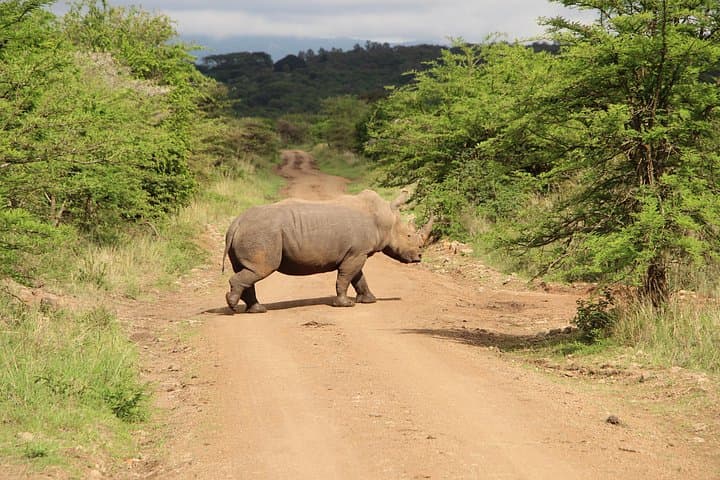


Just beyond the skyline of Kenya's bustling capital, Nairobi National Park defies expectations. This sprawling 117-square-kilometer reserve is the only protected wildlife sanctuary located within a major city, where savannah plains meet the urban edge. From the moment your safari vehicle rumbles onto its dirt roads, the landscape asserts itself: acacia trees lean into the warm breeze, wildebeest graze with casual vigilance, and the distant roars of lions hint at the wild beneath the city’s shadow.
Just beyond the skyline of Kenya's bustling capital, Nairobi National Park defies expectations. This sprawling 117-square-kilometer reserve is the only protected wildlife sanctuary located within a major city, where savannah plains meet the urban edge. From the moment your safari vehicle rumbles onto its dirt roads, the landscape asserts itself: acacia trees lean into the warm breeze, wildebeest graze with casual vigilance, and the distant roars of lions hint at the wild beneath the city’s shadow.
Established in 1946, Nairobi National Park was created to protect Kenya’s unique wildlife heritage while sharing it with a growing metropolitan population. Its geology features open grasslands on volcanic soils that support a range of habitats—from dense thickets to dry riverbeds. The park’s proximity to Nairobi makes it a critical green lung, balancing conservation and development. Visitors encounter endangered species such as black and white rhinos, and the rare Rothschild giraffe, moving gracefully alongside more common residents like zebras, impalas, and hyenas.
Culturally, the area blends natural heritage with local Maasai traditions. Indigenous communities have long coexisted near these lands, and the park’s conservation efforts increasingly incorporate their knowledge and support. This private safari experience includes a certified local guide whose expertise extends beyond spotting wildlife—they narrate stories on animal behavior, conservation challenges, and the park’s remarkable resilience amid urban pressures.
A typical half-day safari lasts four to six hours, beginning with hotel pickup in Nairobi. The terrain is mostly flat with well-maintained dirt roads accessible to all fitness levels, demanding no special technical skills. Expect to cover several kilometers at a relaxed pace, punctuated by wildlife viewing stops and photo sessions.
Prepare for the day with lightweight, breathable clothing, sun protection, and sturdy closed-toe footwear fit for the dusty track. Bring binoculars and a camera with a zoom lens to capture distant animals. Hydration is key, as the equatorial sun can accelerate dehydration—even though bottled water is provided. Early morning departures are recommended for cooler temperatures and greater animal activity.
The itinerary can include stops at the elephant orphanage, where rescued baby elephants are cared for, and the giraffe center for close encounters with the endangered Rothschild giraffe. Both require advance notice and add compelling layers to the natural exploration.
Nairobi National Park challenges assumptions about wildlife tourism with a uniquely accessible urban wilderness. It invites travelers to witness Kenya’s iconic fauna within reach of city comforts—a rare blend of convenience and wild discovery that rewards careful planning and curiosity.