THE ADVENTURE COLLECTIVE® · Independent discovery and booking for outdoor travel

Explore the instruments and control rooms behind chart-topping records at Nashville’s Musicians Hall of Fame. Interactive exhibits and the GRAMMY Museum Gallery® let you play, record, and see the studio technology that shaped modern music.
Explore the instruments and control rooms behind chart-topping records at Nashville’s Musicians Hall of Fame. Interactive exhibits and the GRAMMY Museum Gallery® let you play, record, and see the studio technology that shaped modern music.
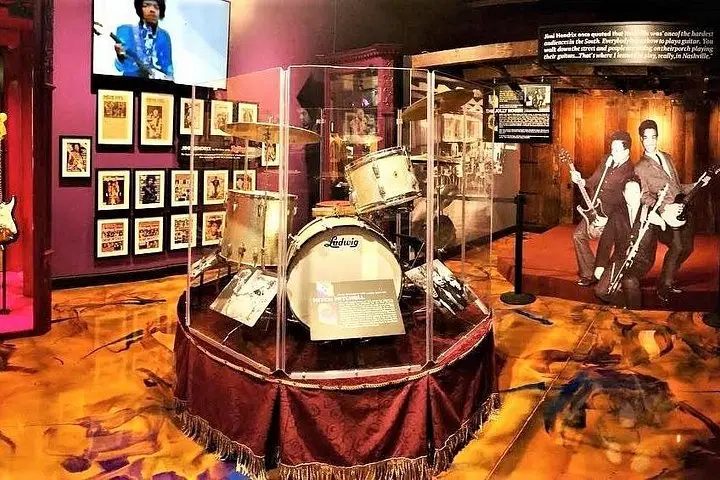
Walk through a downtown door and the hum of studio life becomes a physical thing: racks of vintage amps breathe dust and reverb, a Fender bass still seems to hold the tempo of decades of hits, and a small stage keeps the echo of a young Jimi Hendrix’s chords. The Musicians Hall of Fame and Museum puts the session players, engineers, and instruments that made modern music on center stage, inviting visitors to stand close to the gear behind countless recordings.
Verified experiences and guided adventures in the surrounding area.
Operated by Musicians Hall of Fame · Nashville, Tennessee
Walk through a downtown door and the hum of studio life becomes a physical thing: racks of vintage amps breathe dust and reverb, a Fender bass still seems to hold the tempo of decades of hits, and a small stage keeps the echo of a young Jimi Hendrix’s chords. The Musicians Hall of Fame and Museum puts the session players, engineers, and instruments that made modern music on center stage, inviting visitors to stand close to the gear behind countless recordings.
Opened to honor the unsung professionals behind hits, the museum collects instruments, control boards, and memorabilia from studios and touring acts across genres. The building sits in Nashville’s civic core where the city’s recording and performing traditions intersect with the commercial pulse of Broadway and the Cumberland River. Expect exhibits on session musicians, landmark mixing consoles, and rotating displays that explore songwriting, engineering, and production techniques.
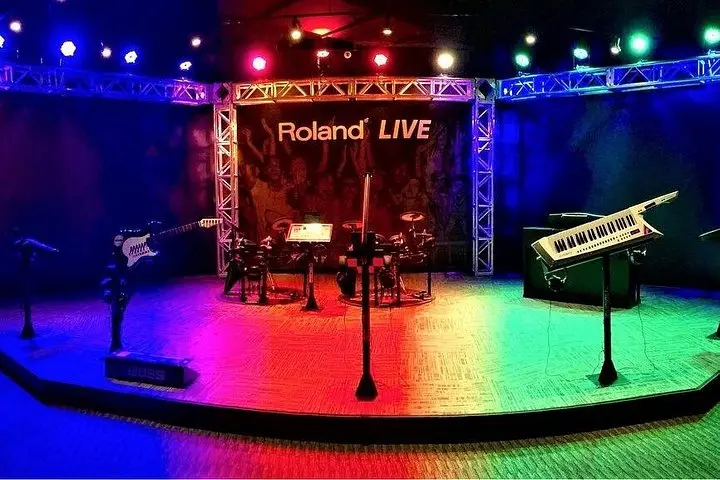
Beyond the exhibits the GRAMMY Museum Gallery® offers hands-on modules—play electric drums, record a vocal take, or try mixing a track—so visitors learn how records are made as well as who made them. Accessibility is straightforward: ramps, seating, and close viewing lines make the experience easy for most visitors.
Plan 1–3 hours, arriving early or mid-afternoon to avoid peak tourist windows; bring a charged phone for interactive stations and allow extra time if you want to record in the gallery. Public transit and downtown parking are nearby, but weekends fill quickly. The museum rewards curious listeners: come ready to listen closely and leave with a better sense of how hits are crafted.
Most visitors spend 1–3 hours; allocate more time if you plan to use recording or interactive stations.
Yes — ramps, accessible routes, and seating are available; the facility is designed for wheelchair access.
Yes — general admission includes access to the GRAMMY Museum Gallery® interactive exhibits.
Walk-ins are accepted, but during busy weekends or events it's wise to check hours and consider arriving early; the ticket is valid for all-day admission.
Musicians Hall of Fame operates guided outdoor trips and adventures with an emphasis on safety, stewardship, and memorable experiences.

Walk through a downtown door and the hum of studio life becomes a physical thing: racks of vintage amps breathe dust and reverb, a Fender bass still seems to hold the tempo of decades of hits, and a small stage keeps the echo of a young Jimi Hendrix’s chords. The Musicians Hall of Fame and Museum puts the session players, engineers, and instruments that made modern music on center stage, inviting visitors to stand close to the gear behind countless recordings.
Walk through a downtown door and the hum of studio life becomes a physical thing: racks of vintage amps breathe dust and reverb, a Fender bass still seems to hold the tempo of decades of hits, and a small stage keeps the echo of a young Jimi Hendrix’s chords. The Musicians Hall of Fame and Museum puts the session players, engineers, and instruments that made modern music on center stage, inviting visitors to stand close to the gear behind countless recordings.
Opened to honor the unsung professionals behind hits, the museum collects instruments, control boards, and memorabilia from studios and touring acts across genres. The building sits in Nashville’s civic core where the city’s recording and performing traditions intersect with the commercial pulse of Broadway and the Cumberland River. Expect exhibits on session musicians, landmark mixing consoles, and rotating displays that explore songwriting, engineering, and production techniques.
Beyond the exhibits the GRAMMY Museum Gallery® offers hands-on modules—play electric drums, record a vocal take, or try mixing a track—so visitors learn how records are made as well as who made them. Accessibility is straightforward: ramps, seating, and close viewing lines make the experience easy for most visitors.
Plan 1–3 hours, arriving early or mid-afternoon to avoid peak tourist windows; bring a charged phone for interactive stations and allow extra time if you want to record in the gallery. Public transit and downtown parking are nearby, but weekends fill quickly. The museum rewards curious listeners: come ready to listen closely and leave with a better sense of how hits are crafted.