THE ADVENTURE COLLECTIVE® · Independent discovery and booking for outdoor travel

Ride through the real New Orleans with a local guide who connects music, food and architecture across Marigny, Bywater, Tremé and the Garden District. This private 3–4 hour tour blends neighborhood stories with flexible stops for food, photos and short walks.
Ride through the real New Orleans with a local guide who connects music, food and architecture across Marigny, Bywater, Tremé and the Garden District. This private 3–4 hour tour blends neighborhood stories with flexible stops for food, photos and short walks.
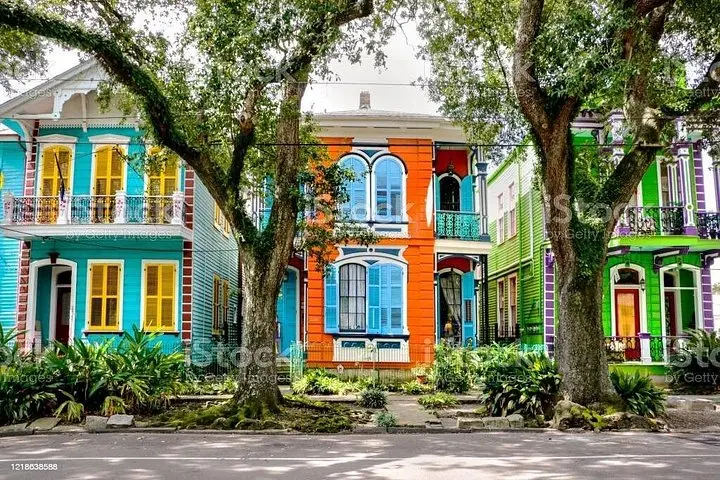
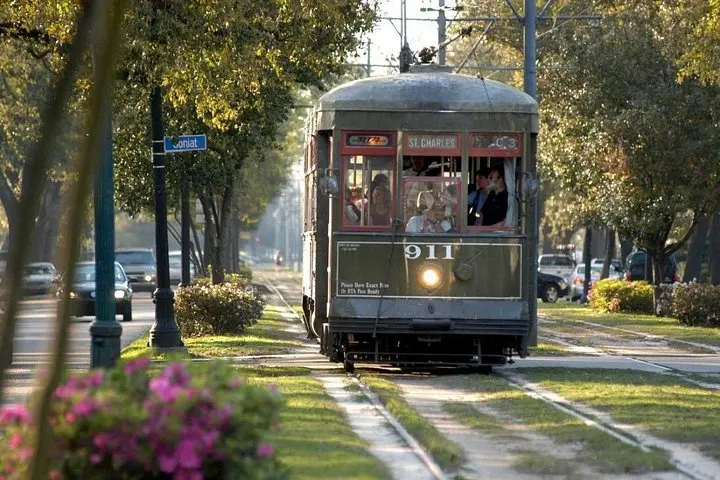
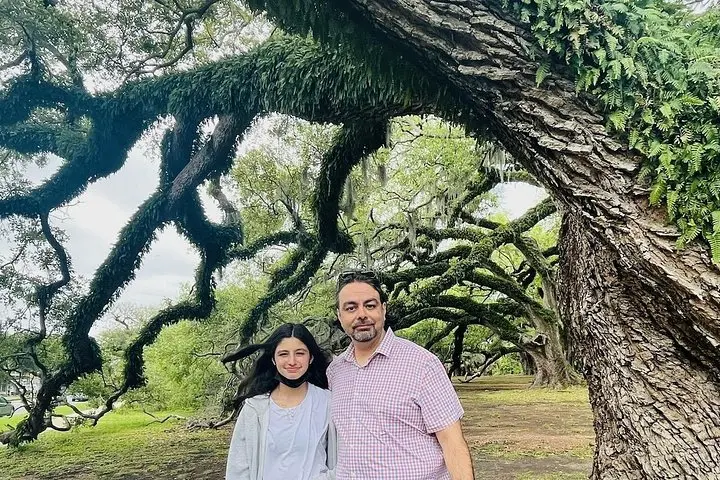
The morning air on St. Charles Avenue feels like a memory being pulled into the present: magnolia-scented, warm, a streetcar's bell folding into the hum of the city. On a private tour with a local guide, travelers slide through neighborhoods that read like chapters of New Orleans history — shotgun houses and wrought-iron balconies give way to broad oak-lined avenues and the River's low pull. The ride is intimate by design; the guide steers, narrates and opens doors to corners that a map alone won't explain.
Verified experiences and guided adventures in the surrounding area.
Operated by Nola Detours · New Orleans, Louisiana
The morning air on St. Charles Avenue feels like a memory being pulled into the present: magnolia-scented, warm, a streetcar's bell folding into the hum of the city. On a private tour with a local guide, travelers slide through neighborhoods that read like chapters of New Orleans history — shotgun houses and wrought-iron balconies give way to broad oak-lined avenues and the River's low pull. The ride is intimate by design; the guide steers, narrates and opens doors to corners that a map alone won't explain.
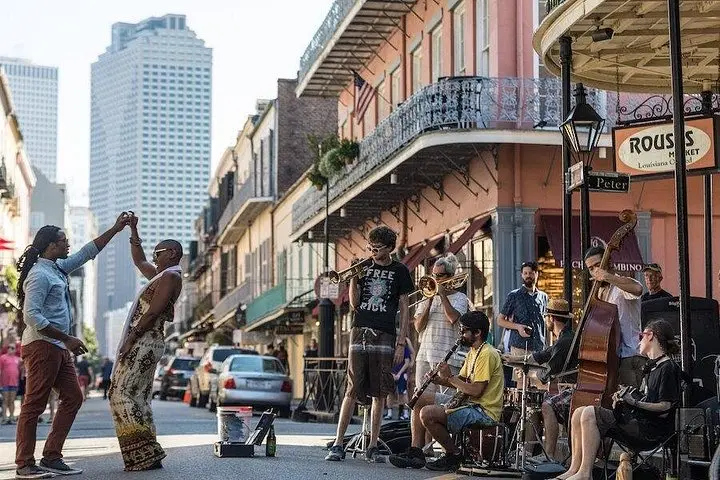
This tour traces the city's layered past. In Tremé, the birthplace of jazz, brass bands still set the tempo for community rituals. The French Quarter stages colonial memory — French and Spanish building customs rubbing up against Creole influences — while Lafayette and the Irish Channel hold stories of migration, labor and the mercantile boom. Geologically the city is a work in progress, built on soft delta silts protected by levee engineering and ongoing restoration projects; that precariousness shaped urban patterns, from elevated homes to the bayous that thread the city.
Culture here is sensory and practical: the syntax of a jazz riff, the architecture of a shotgun house, the slow choreography of a po’boy being dressed. Guides with local relationships — shopkeepers, musicians, chefs — can arrange short stops along Magazine Street for coffee, gallery browsing or a quick taste of regional cuisine. Bayou St. John offers a quieter, green pulse: paddlecraft and festivals animate a waterway that once served as a critical entry point to the city.
For planning: the experience typically runs three to four hours and covers roughly 15–25 miles by vehicle depending on chosen stops. Mornings avoid the midday heat and pack the best light for photos; late afternoons make for warmer street life and music spilling from corners. Wear comfortable walking shoes for short on-foot explorations, bring sunscreen and a small water bottle, and plan for street-level commerce — cash and a card — if you want to duck into a café or local shop.
Because this is a private, customizable tour, communicate priorities in advance: architecture, music history, culinary stops or a focus on particular neighborhoods. The guide will tailor the route and can provide door-to-door pickup in most central hotels. A city tour here is more than a checklist; it’s a paced introduction guided by someone who knows which streets will reveal the city’s real rhythms.
Yes — door-to-door pickup from most downtown hotels and ports is available; confirm your exact pickup point when booking.
Yes — the tour is private and can be tailored to focus on music, architecture, food stops or specific neighborhoods.
The typical duration is 3–4 hours, depending on chosen stops and traffic.
Yes — the guide usually offers multiple short stops (10–30 minutes) for photos, coffee or short walks.
Yes — the tour is rated easy and suitable for most ages; notify the guide of mobility needs so stops can be adjusted.
Tipping is customary for private tours; bring small bills and tip according to the quality and length of the experience.
Nola Detours operates guided outdoor trips and adventures with an emphasis on safety, stewardship, and memorable experiences.
The morning air on St. Charles Avenue feels like a memory being pulled into the present: magnolia-scented, warm, a streetcar's bell folding into the hum of the city. On a private tour with a local guide, travelers slide through neighborhoods that read like chapters of New Orleans history — shotgun houses and wrought-iron balconies give way to broad oak-lined avenues and the River's low pull. The ride is intimate by design; the guide steers, narrates and opens doors to corners that a map alone won't explain.
The morning air on St. Charles Avenue feels like a memory being pulled into the present: magnolia-scented, warm, a streetcar's bell folding into the hum of the city. On a private tour with a local guide, travelers slide through neighborhoods that read like chapters of New Orleans history — shotgun houses and wrought-iron balconies give way to broad oak-lined avenues and the River's low pull. The ride is intimate by design; the guide steers, narrates and opens doors to corners that a map alone won't explain.
This tour traces the city's layered past. In Tremé, the birthplace of jazz, brass bands still set the tempo for community rituals. The French Quarter stages colonial memory — French and Spanish building customs rubbing up against Creole influences — while Lafayette and the Irish Channel hold stories of migration, labor and the mercantile boom. Geologically the city is a work in progress, built on soft delta silts protected by levee engineering and ongoing restoration projects; that precariousness shaped urban patterns, from elevated homes to the bayous that thread the city.
Culture here is sensory and practical: the syntax of a jazz riff, the architecture of a shotgun house, the slow choreography of a po’boy being dressed. Guides with local relationships — shopkeepers, musicians, chefs — can arrange short stops along Magazine Street for coffee, gallery browsing or a quick taste of regional cuisine. Bayou St. John offers a quieter, green pulse: paddlecraft and festivals animate a waterway that once served as a critical entry point to the city.
For planning: the experience typically runs three to four hours and covers roughly 15–25 miles by vehicle depending on chosen stops. Mornings avoid the midday heat and pack the best light for photos; late afternoons make for warmer street life and music spilling from corners. Wear comfortable walking shoes for short on-foot explorations, bring sunscreen and a small water bottle, and plan for street-level commerce — cash and a card — if you want to duck into a café or local shop.
Because this is a private, customizable tour, communicate priorities in advance: architecture, music history, culinary stops or a focus on particular neighborhoods. The guide will tailor the route and can provide door-to-door pickup in most central hotels. A city tour here is more than a checklist; it’s a paced introduction guided by someone who knows which streets will reveal the city’s real rhythms.