THE ADVENTURE COLLECTIVE® · Independent discovery and booking for outdoor travel

Walk Ladies' Mile to see where retail revolutionized urban life. This 2‑hour guided tour traces cast‑iron facades, Gilded Age rivalries and the stores that changed work and fashion for women in New York.
Walk Ladies' Mile to see where retail revolutionized urban life. This 2‑hour guided tour traces cast‑iron facades, Gilded Age rivalries and the stores that changed work and fashion for women in New York.
The group starts on the south side of 13th Street between 5th and 6th Avenue, where the city’s sidewalks still hum with the commerce that made Ladies’ Mile famous. Storefront cornices and cast‑iron facades frame the first steps; the air carries a mix of roasted coffee, taxi exhaust and the faint echo of past promenades.
Verified experiences and guided adventures in the surrounding area.
Operated by Strange & Unusual NYC Tours · New York, New York
The group starts on the south side of 13th Street between 5th and 6th Avenue, where the city’s sidewalks still hum with the commerce that made Ladies’ Mile famous. Storefront cornices and cast‑iron facades frame the first steps; the air carries a mix of roasted coffee, taxi exhaust and the faint echo of past promenades.
By the time your guide points out the old Macy’s outpost and the carved stone face of A.T. Stewart’s store, the narrative shifts from glass and gilt to social change: department stores redefined shopping and created public, salaried spaces where women could work, shop and gather in relative safety. The architecture—cast‑iron skeletons, Queen Anne ornament, and Beaux‑Arts stone—sits on Manhattan schist that made tall, masonry retail possible and shaped early urban blocks.
Expect stories of rival merchants, the Strauses’ personal tragedy, and retail innovations that rippled through labor and fashion. Union Square drifts into view as both marketplace and civic stage, while surviving façades offer clues to retail technology: light wells, iron columns, and display windows sized for spectacle.
Practical notes: this is a two‑hour, mostly flat walking tour on city sidewalks, so wear supportive shoes and bring water. Weekday mornings are best for smaller groups and clearer photo light; weekends can be crowded. The tour is wheelchair and stroller accessible, but cobblestone patches and curb cuts are present. Carry a transit card—parking is scarce—and allow extra time to explore nearby museum exhibits or historic interiors if open. This walk rewards curiosity: look up for cornices, and down for plaques that mark vanished emporia.
Yes—this tour is advertised as wheelchair and stroller accessible, though there are occasional curb cuts and uneven pavement in places.
Meet on the south side of West 13th Street between 5th and 6th Avenue in Manhattan—arrive 10 minutes early to check in with the guide.
Public restrooms are limited; nearby cafes and Union Square facilities can be used—bring small change or plan breaks accordingly.
Exterior photography is fine; interior access depends on store policies and hours—ask your guide about entering specific buildings.
Strange & Unusual NYC Tours operates guided outdoor trips and adventures with an emphasis on safety, stewardship, and memorable experiences.
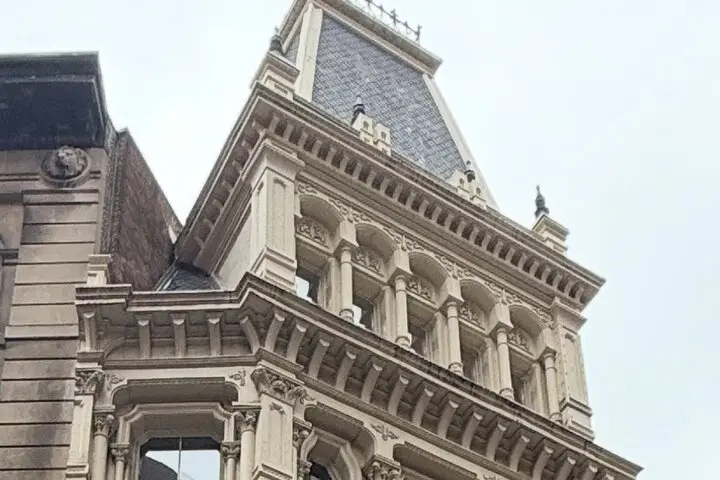
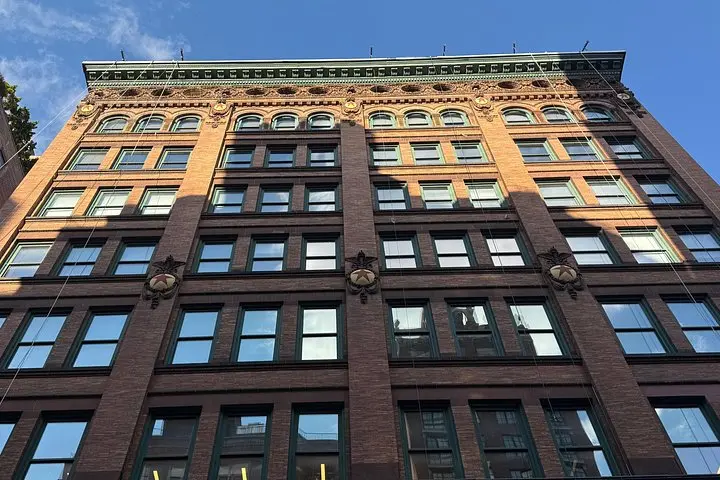
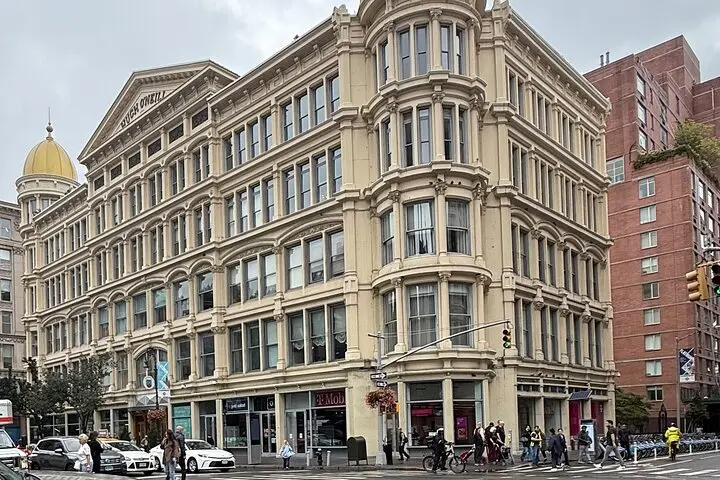
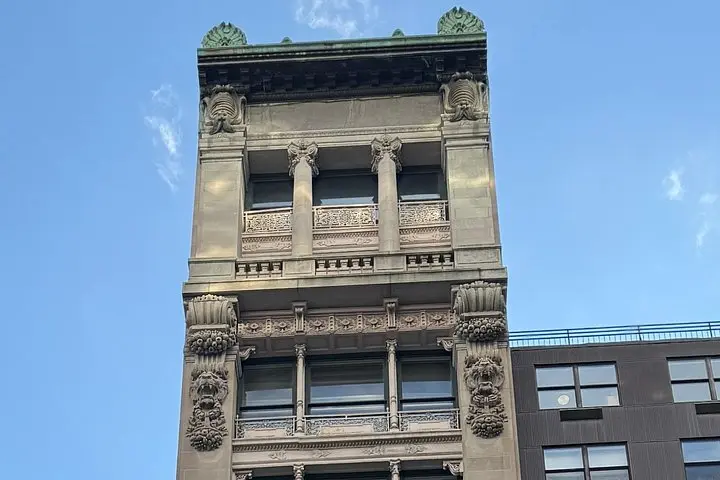
The group starts on the south side of 13th Street between 5th and 6th Avenue, where the city’s sidewalks still hum with the commerce that made Ladies’ Mile famous. Storefront cornices and cast‑iron facades frame the first steps; the air carries a mix of roasted coffee, taxi exhaust and the faint echo of past promenades.
The group starts on the south side of 13th Street between 5th and 6th Avenue, where the city’s sidewalks still hum with the commerce that made Ladies’ Mile famous. Storefront cornices and cast‑iron facades frame the first steps; the air carries a mix of roasted coffee, taxi exhaust and the faint echo of past promenades.
By the time your guide points out the old Macy’s outpost and the carved stone face of A.T. Stewart’s store, the narrative shifts from glass and gilt to social change: department stores redefined shopping and created public, salaried spaces where women could work, shop and gather in relative safety. The architecture—cast‑iron skeletons, Queen Anne ornament, and Beaux‑Arts stone—sits on Manhattan schist that made tall, masonry retail possible and shaped early urban blocks.
Expect stories of rival merchants, the Strauses’ personal tragedy, and retail innovations that rippled through labor and fashion. Union Square drifts into view as both marketplace and civic stage, while surviving façades offer clues to retail technology: light wells, iron columns, and display windows sized for spectacle.
Practical notes: this is a two‑hour, mostly flat walking tour on city sidewalks, so wear supportive shoes and bring water. Weekday mornings are best for smaller groups and clearer photo light; weekends can be crowded. The tour is wheelchair and stroller accessible, but cobblestone patches and curb cuts are present. Carry a transit card—parking is scarce—and allow extra time to explore nearby museum exhibits or historic interiors if open. This walk rewards curiosity: look up for cornices, and down for plaques that mark vanished emporia.