THE ADVENTURE COLLECTIVE® · Independent discovery and booking for outdoor travel

Step into New Zealand’s most successful kiwi hatchery to witness egg incubation, hatching techniques and nocturnal kiwi viewing. This guided hour offers a hands-on look at conservation methods that have reared thousands of chicks.
Step into New Zealand’s most successful kiwi hatchery to witness egg incubation, hatching techniques and nocturnal kiwi viewing. This guided hour offers a hands-on look at conservation methods that have reared thousands of chicks.
At dusk the hatchery hums with low lights and soft steps. Under a canopy of forest-scented air, visitors step into a purpose-built nocturnal house where kiwi—flightless, furtive—poke foraging bills through leaf litter. The guided hour moves with controlled curiosity: incubation rooms, observation windows, and an interactive burrow that simulates the bird’s world.
Verified experiences and guided adventures in the surrounding area.
Operated by National Kiwi Hatchery · Rotorua, Bay of Plenty
At dusk the hatchery hums with low lights and soft steps. Under a canopy of forest-scented air, visitors step into a purpose-built nocturnal house where kiwi—flightless, furtive—poke foraging bills through leaf litter. The guided hour moves with controlled curiosity: incubation rooms, observation windows, and an interactive burrow that simulates the bird’s world.
Founded as the national leader in kiwi husbandry, the hatchery grew from community conservation efforts to a facility that has reared over 2,500 chicks. The region’s volcanic soils and geothermal edges shape habitat nearby, but here the work is veterinary and mechanical: precise incubation temperatures, record keeping, and biosecure rearing enclosures that mirror natural dens.
Rotorua’s Māori heritage threads through interpretive panels and staff stories, linking kiwi protection to cultural guardianship of taonga species. Visitors will learn how kiwi life stages are monitored, why male kiwi incubate eggs, and how eggs are transported and hatched during peak season.
Practicalities: tours run about an hour and are wheelchair accessible; hatching season is September–March for the best chance to see chicks and hatching events. Wear quiet, soft-soled shoes and avoid flash photography—kiwi rely on sensitive nocturnal senses. Allow time for the return shuttle from the Agrodome check-in, and budget at least 60–90 minutes including exhibits.
Respect the silent spaces: move slowly, keep voices low, and treat staff instructions as essential to animal welfare. Entry fees support the nonprofit hatchery—your visit directly funds conservation. Plan to arrive 15 minutes early to check in. Bring a small amount of cash for donations or souvenirs.
Not guaranteed—hatching season (September–March) has the highest chance to see eggs and newly hatched chicks; outside those dates you can still view adult kiwi in the Nocturnal House.
The National Kiwi Hatchery guided experience lasts about one hour, with additional time recommended for exhibits and shuttle connections.
Children under 5 are not permitted; the tour is family-friendly for ages 5 and up and stroller/wheelchair accessible.
Yes—this nonprofit directs ticket revenue back into the kiwi hatching programme and ongoing husbandry work.
National Kiwi Hatchery operates guided outdoor trips and adventures with an emphasis on safety, stewardship, and memorable experiences.
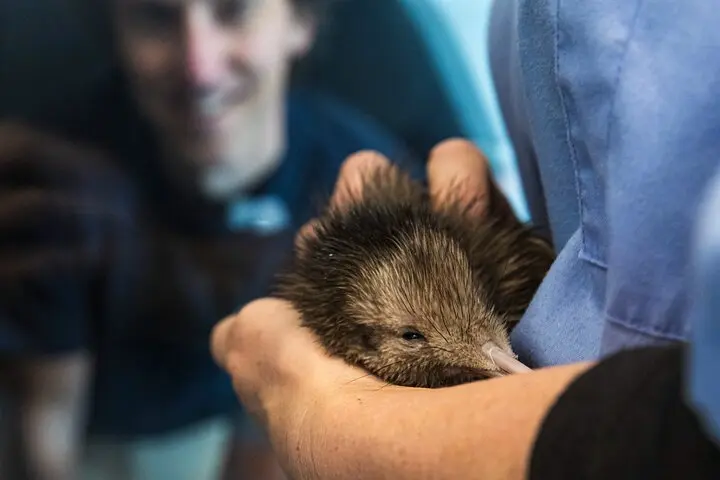
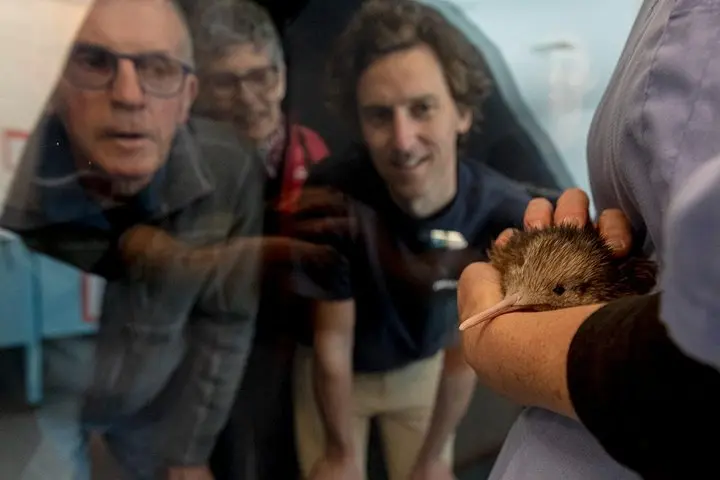
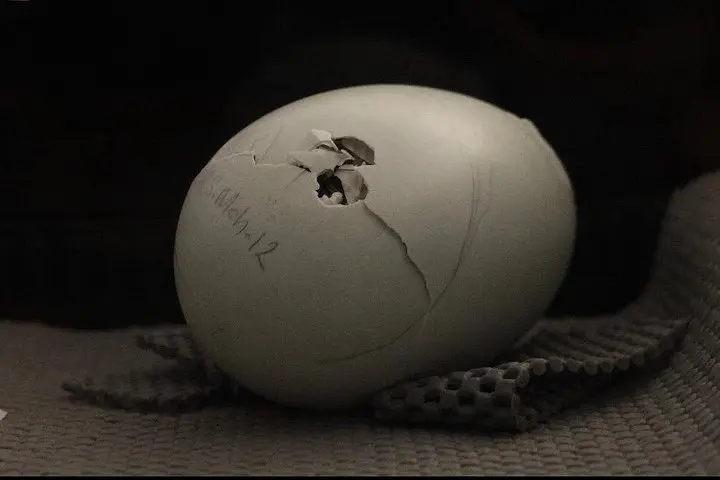
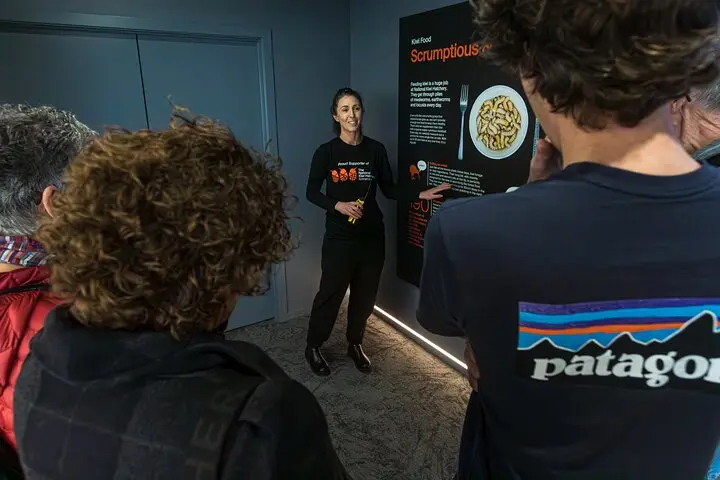
At dusk the hatchery hums with low lights and soft steps. Under a canopy of forest-scented air, visitors step into a purpose-built nocturnal house where kiwi—flightless, furtive—poke foraging bills through leaf litter. The guided hour moves with controlled curiosity: incubation rooms, observation windows, and an interactive burrow that simulates the bird’s world.
At dusk the hatchery hums with low lights and soft steps. Under a canopy of forest-scented air, visitors step into a purpose-built nocturnal house where kiwi—flightless, furtive—poke foraging bills through leaf litter. The guided hour moves with controlled curiosity: incubation rooms, observation windows, and an interactive burrow that simulates the bird’s world.
Founded as the national leader in kiwi husbandry, the hatchery grew from community conservation efforts to a facility that has reared over 2,500 chicks. The region’s volcanic soils and geothermal edges shape habitat nearby, but here the work is veterinary and mechanical: precise incubation temperatures, record keeping, and biosecure rearing enclosures that mirror natural dens.
Rotorua’s Māori heritage threads through interpretive panels and staff stories, linking kiwi protection to cultural guardianship of taonga species. Visitors will learn how kiwi life stages are monitored, why male kiwi incubate eggs, and how eggs are transported and hatched during peak season.
Practicalities: tours run about an hour and are wheelchair accessible; hatching season is September–March for the best chance to see chicks and hatching events. Wear quiet, soft-soled shoes and avoid flash photography—kiwi rely on sensitive nocturnal senses. Allow time for the return shuttle from the Agrodome check-in, and budget at least 60–90 minutes including exhibits.
Respect the silent spaces: move slowly, keep voices low, and treat staff instructions as essential to animal welfare. Entry fees support the nonprofit hatchery—your visit directly funds conservation. Plan to arrive 15 minutes early to check in. Bring a small amount of cash for donations or souvenirs.