THE ADVENTURE COLLECTIVE® · Independent discovery and booking for outdoor travel

Spend a focused day inside Ngorongoro Crater on a guided 4x4 game drive from Arusha. See flamingo-streaked lakes, hippo pools, and possible Big Five encounters while learning geology and Maasai culture from experienced guides.
Spend a focused day inside Ngorongoro Crater on a guided 4x4 game drive from Arusha. See flamingo-streaked lakes, hippo pools, and possible Big Five encounters while learning geology and Maasai culture from experienced guides.
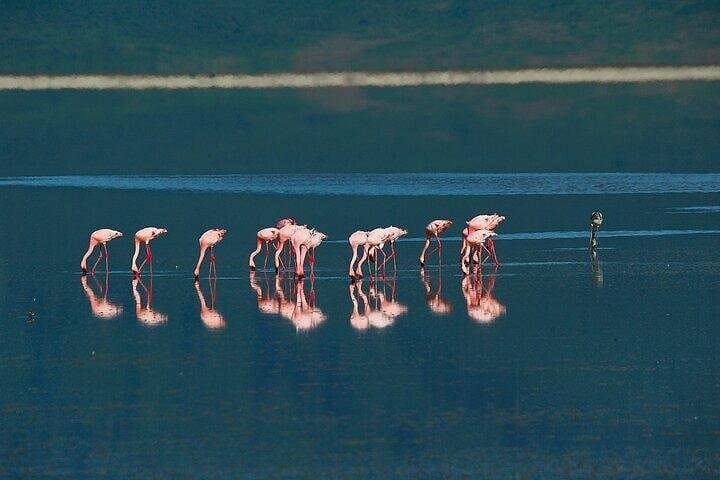
You step from the 4x4 onto a rim that feels both ancient and immediate: wind pushes across high grass, and the crater drops away in a bowl of savannah, lakes and grazing shapes. Guides lower binoculars like instruments of translation; flamingos stain the shallow lakes pink and a distant lion silhouette pauses on the plain. The caldera’s scale arrests you—nearly 20 kilometers across—and the day is spent reading animal movement against a backdrop of volcanic rock.
Verified experiences and guided adventures in the surrounding area.
Operated by kilipath African Safaris · Ngorongoro, Arusha Region
You step from the 4x4 onto a rim that feels both ancient and immediate: wind pushes across high grass, and the crater drops away in a bowl of savannah, lakes and grazing shapes. Guides lower binoculars like instruments of translation; flamingos stain the shallow lakes pink and a distant lion silhouette pauses on the plain. The caldera’s scale arrests you—nearly 20 kilometers across—and the day is spent reading animal movement against a backdrop of volcanic rock.
Geology here is simple and dramatic: Ngorongoro formed when a giant volcano collapsed millions of years ago, leaving one of the world’s largest intact calderas. The area is also Maasai country—pastoral communities live and graze on the rim—and the crater has been both a wildlife refuge and a working cultural landscape for generations. Your guide will translate ecology and local practice: why hippos favor certain pools, where black rhinos once hid, how seasonal rains rearrange grazing patterns.
Practically, this is an all-day, small-group 4x4 game drive from Arusha, with entrance fees and a picnic lunch included. Roads are bumpy; animal sightings reward patience more than speed. Bring sun protection, a warm layer for the rim’s morning chill, binoculars, and a charged camera. Expect long stretches of slow driving interrupted by sudden bursts of activity—a herd lifting their heads, a predator slipping between acacia. Respect park rules: stay in vehicles, keep noise low, and leave no trace. The crater gives up its moments slowly; come prepared and it will deliver some of East Africa’s most honest wildlife encounters.
The excursion is about 8 hours round-trip with pickup from Arusha; most itineraries include round-trip transfers and a picnic lunch.
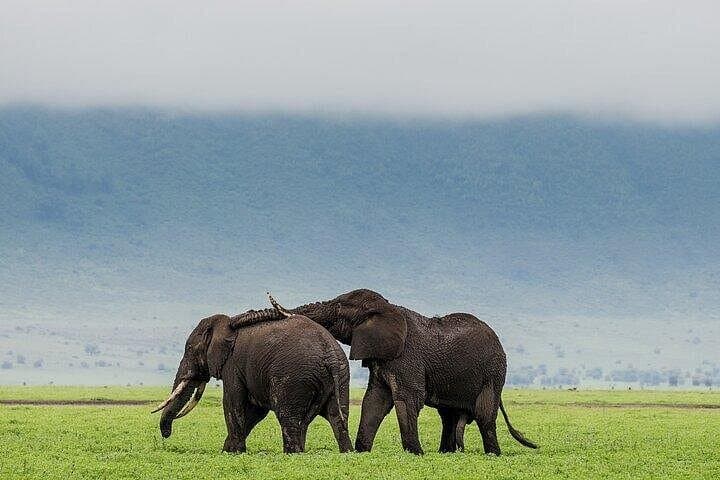
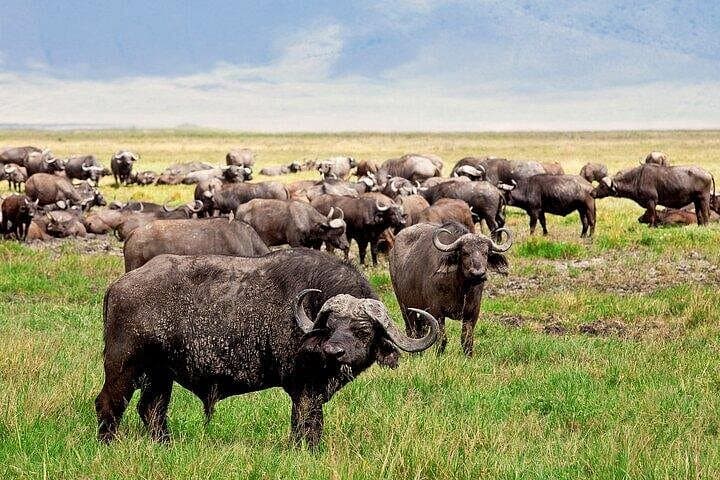
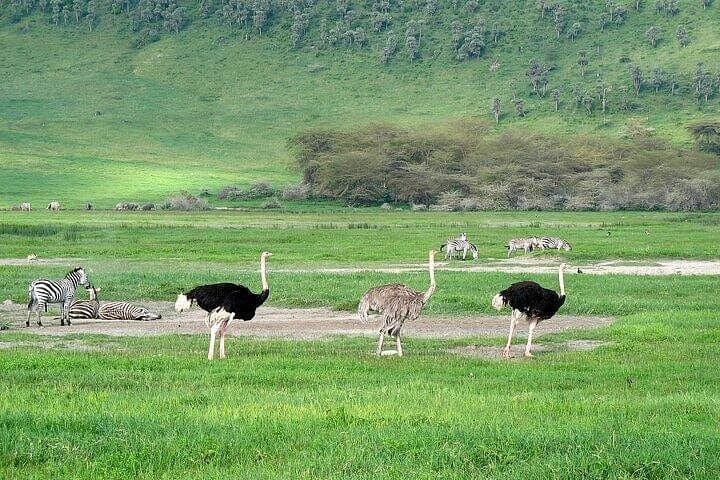
Expect large herbivores (zebra, wildebeest, buffalo), hippos, flamingos near the lakes and the chance to see predators like lions; black rhino sightings are rare but possible.
Yes—driving is the primary mode and the tour is rated easy, but vehicle transfers and some uneven surfaces mean supervision and basic mobility are helpful.
Yes; entrance to Ngorongoro Crater and related conservation fees are typically included in the tour price, as noted in the itinerary.
kilipath African Safaris operates guided outdoor trips and adventures with an emphasis on safety, stewardship, and memorable experiences.
You step from the 4x4 onto a rim that feels both ancient and immediate: wind pushes across high grass, and the crater drops away in a bowl of savannah, lakes and grazing shapes. Guides lower binoculars like instruments of translation; flamingos stain the shallow lakes pink and a distant lion silhouette pauses on the plain. The caldera’s scale arrests you—nearly 20 kilometers across—and the day is spent reading animal movement against a backdrop of volcanic rock.
You step from the 4x4 onto a rim that feels both ancient and immediate: wind pushes across high grass, and the crater drops away in a bowl of savannah, lakes and grazing shapes. Guides lower binoculars like instruments of translation; flamingos stain the shallow lakes pink and a distant lion silhouette pauses on the plain. The caldera’s scale arrests you—nearly 20 kilometers across—and the day is spent reading animal movement against a backdrop of volcanic rock.
Geology here is simple and dramatic: Ngorongoro formed when a giant volcano collapsed millions of years ago, leaving one of the world’s largest intact calderas. The area is also Maasai country—pastoral communities live and graze on the rim—and the crater has been both a wildlife refuge and a working cultural landscape for generations. Your guide will translate ecology and local practice: why hippos favor certain pools, where black rhinos once hid, how seasonal rains rearrange grazing patterns.
Practically, this is an all-day, small-group 4x4 game drive from Arusha, with entrance fees and a picnic lunch included. Roads are bumpy; animal sightings reward patience more than speed. Bring sun protection, a warm layer for the rim’s morning chill, binoculars, and a charged camera. Expect long stretches of slow driving interrupted by sudden bursts of activity—a herd lifting their heads, a predator slipping between acacia. Respect park rules: stay in vehicles, keep noise low, and leave no trace. The crater gives up its moments slowly; come prepared and it will deliver some of East Africa’s most honest wildlife encounters.