THE ADVENTURE COLLECTIVE® · Independent discovery and booking for outdoor travel

Walk through eight centuries of scholarship on this intimate 90-minute tour of Oxford’s colleges and the Bodleian Library. Limited to ten guests, the route combines chapel interiors, cobbled lanes, and insider stories you won’t find in guidebooks.
Walk through eight centuries of scholarship on this intimate 90-minute tour of Oxford’s colleges and the Bodleian Library. Limited to ten guests, the route combines chapel interiors, cobbled lanes, and insider stories you won’t find in guidebooks.
A cool morning wind threads between stone spires as you step off Broad Street and onto streets trod by scholars for eight centuries. The walking tour moves at a measured pace—cobbles, cloisters and quiet college quad—giving space to look up at carved faces and readscriptions carved into weathered limestone.
Verified experiences and guided adventures in the surrounding area.
Operated by Walking tour company · Oxford, Oxfordshire
A cool morning wind threads between stone spires as you step off Broad Street and onto streets trod by scholars for eight centuries. The walking tour moves at a measured pace—cobbles, cloisters and quiet college quad—giving space to look up at carved faces and readscriptions carved into weathered limestone.
Oxford’s architecture is a layered record: medieval colleges built from local limestone, Tudor chapels, and Victorian additions that together tell a story of changing ideas and patronage. The Bodleian Library—the tour’s included stop—holds rare tomes and the carved reading rooms that shaped scholarly life; Christ Church and Trinity display collegiate rituals and courtly connections stretching back to the 13th and 16th centuries.
Culturally, the city still pivots around term times, tutorial culture, and formal halls; guides point out matriculation routes, college traditions, and the practical politics that shaped their buildings. The geology underfoot—porous limestone and clay—helps explain the pale tones and mellow erosion of facades.
Practical notes: this small-group, 90-minute experience is compact and mostly flat but uses narrow lanes and steps. Wear supportive shoes and a light rain layer; bring a camera but respect “quiet” and no-flash rules inside chapels and the Bodleian. The tour is limited to ten people for a more personal encounter, and it’s friendly to most fitness levels but not suitable for those with serious spinal or cardiovascular limits. Arrive 10 minutes early to meet the guide near the university church, and allow time afterward for a coffee on the High Street or a punt on the Cherwell if you want to linger.
Yes—this tour includes entrance to the Bodleian and an overview of its principal rooms and collections.
Groups are limited to ten participants for a more personal experience and easier movement through college spaces.
Some outdoor streets and college entrances are narrow or stepped; stroller access is possible in parts but wheelchair access may be restricted—check with the operator ahead of booking.
Full refunds are available if you cancel at least 24 hours before the scheduled departure; check your booking confirmation for details.
Walking tour company operates guided outdoor trips and adventures with an emphasis on safety, stewardship, and memorable experiences.
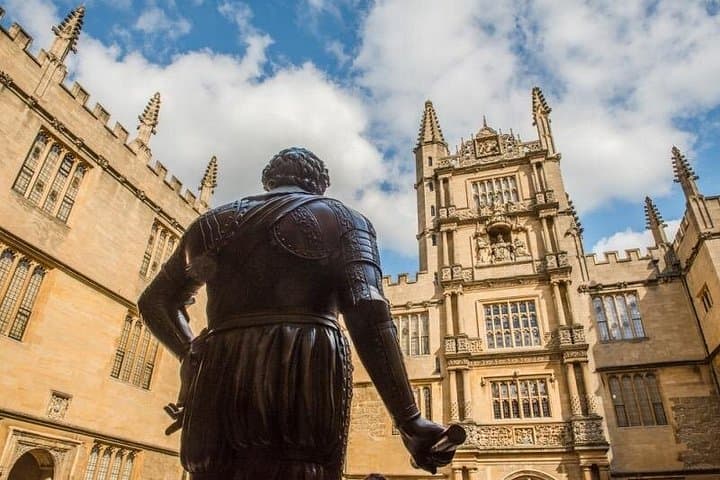
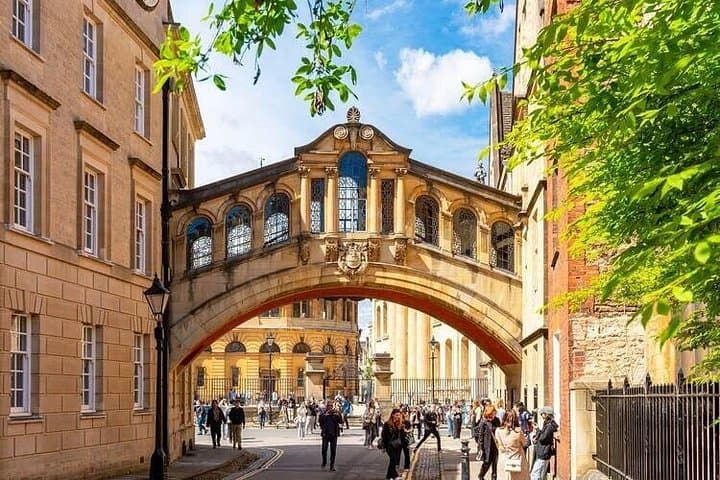


A cool morning wind threads between stone spires as you step off Broad Street and onto streets trod by scholars for eight centuries. The walking tour moves at a measured pace—cobbles, cloisters and quiet college quad—giving space to look up at carved faces and readscriptions carved into weathered limestone.
A cool morning wind threads between stone spires as you step off Broad Street and onto streets trod by scholars for eight centuries. The walking tour moves at a measured pace—cobbles, cloisters and quiet college quad—giving space to look up at carved faces and readscriptions carved into weathered limestone.
Oxford’s architecture is a layered record: medieval colleges built from local limestone, Tudor chapels, and Victorian additions that together tell a story of changing ideas and patronage. The Bodleian Library—the tour’s included stop—holds rare tomes and the carved reading rooms that shaped scholarly life; Christ Church and Trinity display collegiate rituals and courtly connections stretching back to the 13th and 16th centuries.
Culturally, the city still pivots around term times, tutorial culture, and formal halls; guides point out matriculation routes, college traditions, and the practical politics that shaped their buildings. The geology underfoot—porous limestone and clay—helps explain the pale tones and mellow erosion of facades.
Practical notes: this small-group, 90-minute experience is compact and mostly flat but uses narrow lanes and steps. Wear supportive shoes and a light rain layer; bring a camera but respect “quiet” and no-flash rules inside chapels and the Bodleian. The tour is limited to ten people for a more personal encounter, and it’s friendly to most fitness levels but not suitable for those with serious spinal or cardiovascular limits. Arrive 10 minutes early to meet the guide near the university church, and allow time afterward for a coffee on the High Street or a punt on the Cherwell if you want to linger.