THE ADVENTURE COLLECTIVE® · Independent discovery and booking for outdoor travel

Descend into Palermo’s Capuchin Catacombs for a sobering, unforgettable look at centuries of funerary practice. This 2–3 hour guided visit mixes cultural history, eerie preservation science and practical rules to protect a fragile site.
Descend into Palermo’s Capuchin Catacombs for a sobering, unforgettable look at centuries of funerary practice. This 2–3 hour guided visit mixes cultural history, eerie preservation science and practical rules to protect a fragile site.
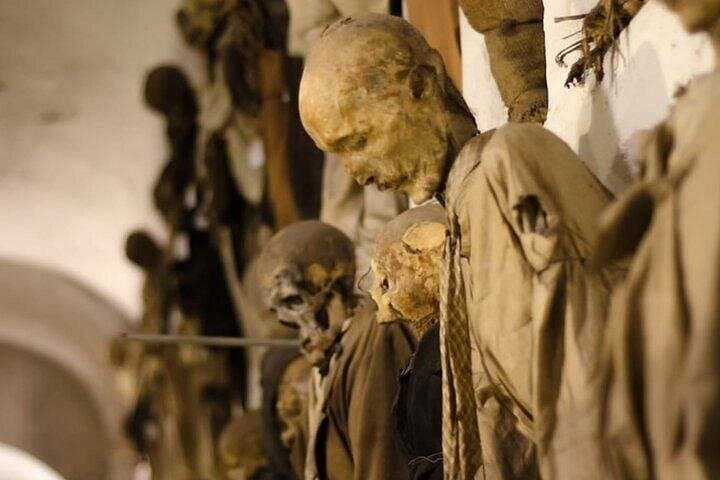
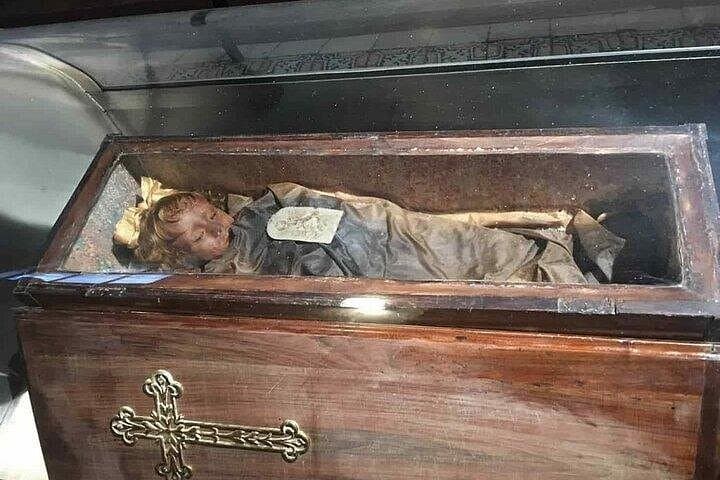
A narrow stairwell leads down from the muffled street noise into a cool, still corridor where centuries of Palermo watch in quiet rows. The Capuchin Catacombs open like a book of social history: corridor after corridor organized by gender, age and trade, each niche holding figures preserved in posed repose. Rosalia Lombardo—the so-called Sleeping Girl—draws many visitors with her unnervingly intact features, a focal point in a place where time has been slowed to a human scale.
Verified experiences and guided adventures in the surrounding area.
Operated by Palermo On Tour · Palermo, Sicily
A narrow stairwell leads down from the muffled street noise into a cool, still corridor where centuries of Palermo watch in quiet rows. The Capuchin Catacombs open like a book of social history: corridor after corridor organized by gender, age and trade, each niche holding figures preserved in posed repose. Rosalia Lombardo—the so-called Sleeping Girl—draws many visitors with her unnervingly intact features, a focal point in a place where time has been slowed to a human scale.
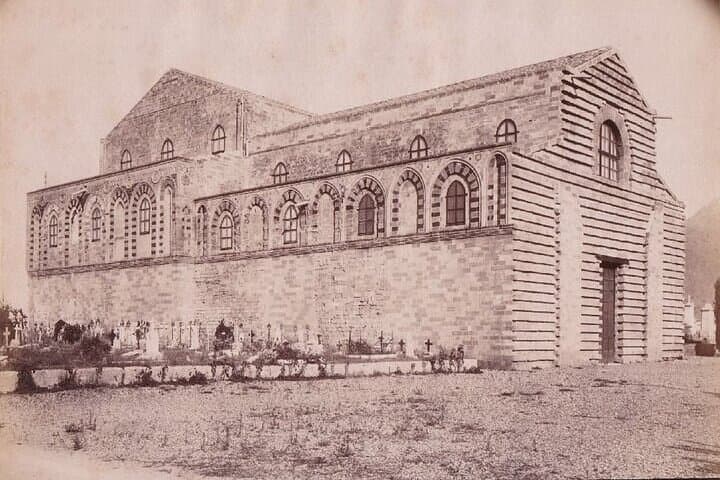
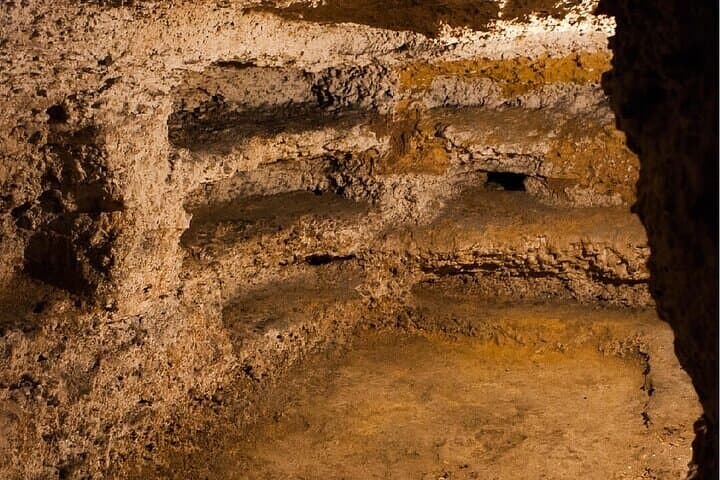
The complex began in the 16th century as a monastic burial site and expanded into a civic curiosity and status marker across the Baroque period. Geologically, the caverns are carved into Palermo’s limestone terraces, which contribute to the stable, dry conditions that aided mummification before modern embalming. Culturally, the catacombs reflect Sicilian attitudes toward death: devotional, hierarchical and public.
Practical guidance begins as you descend: lighting is dim, floors are uneven and the temperature drops noticeably—bring a light jacket and comfortable shoes. Tours last about two hours and often limit group size; photography rules vary, and modest dress is respectful. Note the site posts health advisories for those with cardiac or spinal issues and for pregnant visitors. Listen to your guide, keep a quiet pace, and avoid touching displays; preservation depends on visitor behavior. Whether you approach with curiosity or caution, a visit here is a direct, unvarnished look at burial practice, scientific curiosities and Palermo’s layered history.
Older children who can stay quiet and respect boundaries are fine, but cramped corridors and exposed remains can be distressing for very young kids.
Photography is allowed in many areas but flash, tripods or close-up shots of certain remains may be restricted—follow your guide's instructions.
Access is limited—there are stairs and narrow passages; parts of the site are not wheelchair accessible despite nearby street-level access.
The catacombs are a short taxi or public-bus ride from central Palermo; allow time for queues and admission checks.
Palermo On Tour operates guided outdoor trips and adventures with an emphasis on safety, stewardship, and memorable experiences.
A narrow stairwell leads down from the muffled street noise into a cool, still corridor where centuries of Palermo watch in quiet rows. The Capuchin Catacombs open like a book of social history: corridor after corridor organized by gender, age and trade, each niche holding figures preserved in posed repose. Rosalia Lombardo—the so-called Sleeping Girl—draws many visitors with her unnervingly intact features, a focal point in a place where time has been slowed to a human scale.
A narrow stairwell leads down from the muffled street noise into a cool, still corridor where centuries of Palermo watch in quiet rows. The Capuchin Catacombs open like a book of social history: corridor after corridor organized by gender, age and trade, each niche holding figures preserved in posed repose. Rosalia Lombardo—the so-called Sleeping Girl—draws many visitors with her unnervingly intact features, a focal point in a place where time has been slowed to a human scale.
The complex began in the 16th century as a monastic burial site and expanded into a civic curiosity and status marker across the Baroque period. Geologically, the caverns are carved into Palermo’s limestone terraces, which contribute to the stable, dry conditions that aided mummification before modern embalming. Culturally, the catacombs reflect Sicilian attitudes toward death: devotional, hierarchical and public.
Practical guidance begins as you descend: lighting is dim, floors are uneven and the temperature drops noticeably—bring a light jacket and comfortable shoes. Tours last about two hours and often limit group size; photography rules vary, and modest dress is respectful. Note the site posts health advisories for those with cardiac or spinal issues and for pregnant visitors. Listen to your guide, keep a quiet pace, and avoid touching displays; preservation depends on visitor behavior. Whether you approach with curiosity or caution, a visit here is a direct, unvarnished look at burial practice, scientific curiosities and Palermo’s layered history.