THE ADVENTURE COLLECTIVE® · Independent discovery and booking for outdoor travel

Walk into the veins of Popocatépetl on a 10 km canyon hike to a mineral-rich sulphur spring and hidden waterfall. This full-day tour from Mexico City combines unique geology, certified guides, and private transport for a safe, immersive mountain experience.
Walk into the veins of Popocatépetl on a 10 km canyon hike to a mineral-rich sulphur spring and hidden waterfall. This full-day tour from Mexico City combines unique geology, certified guides, and private transport for a safe, immersive mountain experience.
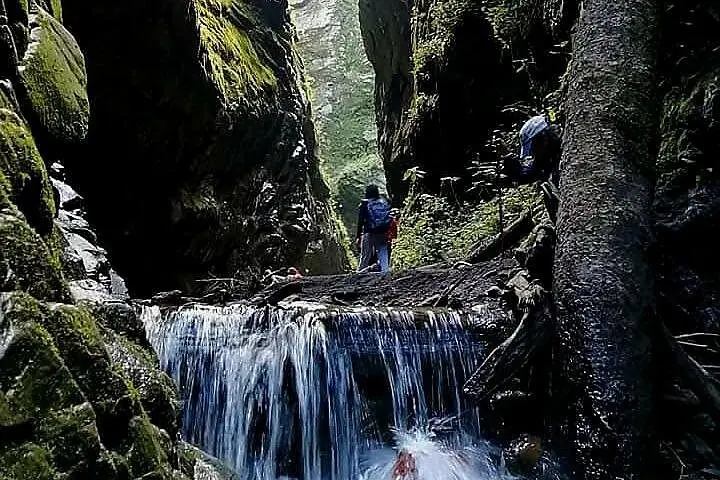
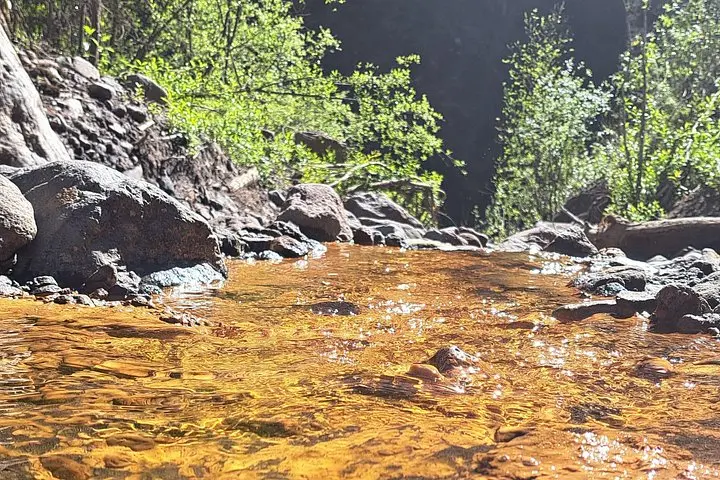
You drop from the highway into a green seam of forest and rock, the air tightening with the faint smell of metal and steam. The canyon cuts like an incision into Popocatépetl’s flank; walls close in, trickles find channels, and the trail threads between boulders and fir. Footsteps echo, and the sulphur spring ahead glows bronze against gray stone—a direct, living connection to the volcano’s underground chemistry.
Verified experiences and guided adventures in the surrounding area.
Operated by Maximo Adventures · Amecameca, Estado de México
You drop from the highway into a green seam of forest and rock, the air tightening with the faint smell of metal and steam. The canyon cuts like an incision into Popocatépetl’s flank; walls close in, trickles find channels, and the trail threads between boulders and fir. Footsteps echo, and the sulphur spring ahead glows bronze against gray stone—a direct, living connection to the volcano’s underground chemistry.
Geology here is blunt and recent: meltwater and volcanic activity carved the Cañada de Nexpayantla, leaving exposed strata, mineral-stained springs, and a small waterfall tucked in a side cleft. This region has been a crossroads for nearby communities—Amecameca and rural Puebla pueblos—who historically used mountain springs and grazing meadows. Guides emphasize the volcano’s active status; Popocatépetl’s presence is constant, a low and watchful energy in the landscape.
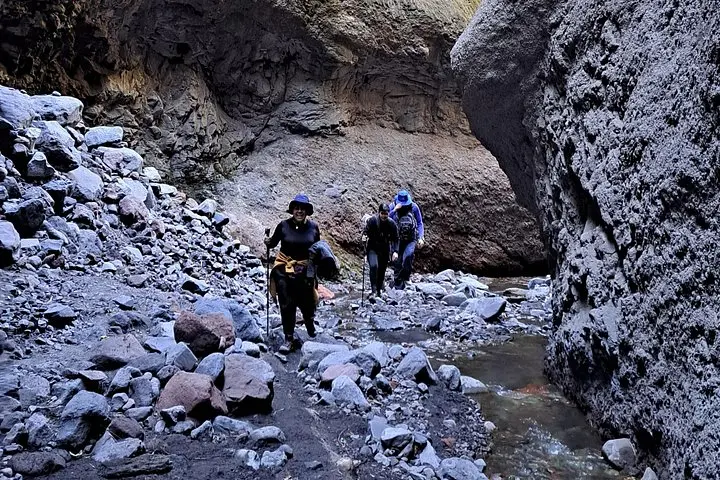
Expect a roughly 10 km hike with ~300 m cumulative gain over uneven, sometimes slippery rock and forest trail. The route moves from shaded pine to the canyon floor, where mineral-rich water colors rocks and boots. Guides provide safety gear and private transport from Mexico City, making this a long day trip rather than a technical climb.
Practical tips: wear grippy hiking boots, carry 2–3 liters of water and a wind layer for sudden weather shifts, and bring a camera with a protective bag—the sulfur deposits and waterfall reward close-ups. Respect closures and guide instructions near the spring—acidic water can irritate skin. Leave no trace: the gorge is fragile and visually striking because it remains relatively undisturbed.
Guides monitor volcanic activity and follow local safety protocols; tours avoid restricted zones and can be canceled if the volcano is elevated.
Sturdy, waterproof hiking boots, layered clothing for changing temperatures, and a wind/rain shell are recommended.
Expect mixed terrain: forest paths, roots, wet rock, and narrow canyon sections—good footing and a steady pace are important.
Yes, the tour includes private transport from CDMX with return transfer and hotel pickup options listed at booking.
Maximo Adventures operates guided outdoor trips and adventures with an emphasis on safety, stewardship, and memorable experiences.
You drop from the highway into a green seam of forest and rock, the air tightening with the faint smell of metal and steam. The canyon cuts like an incision into Popocatépetl’s flank; walls close in, trickles find channels, and the trail threads between boulders and fir. Footsteps echo, and the sulphur spring ahead glows bronze against gray stone—a direct, living connection to the volcano’s underground chemistry.
You drop from the highway into a green seam of forest and rock, the air tightening with the faint smell of metal and steam. The canyon cuts like an incision into Popocatépetl’s flank; walls close in, trickles find channels, and the trail threads between boulders and fir. Footsteps echo, and the sulphur spring ahead glows bronze against gray stone—a direct, living connection to the volcano’s underground chemistry.
Geology here is blunt and recent: meltwater and volcanic activity carved the Cañada de Nexpayantla, leaving exposed strata, mineral-stained springs, and a small waterfall tucked in a side cleft. This region has been a crossroads for nearby communities—Amecameca and rural Puebla pueblos—who historically used mountain springs and grazing meadows. Guides emphasize the volcano’s active status; Popocatépetl’s presence is constant, a low and watchful energy in the landscape.
Expect a roughly 10 km hike with ~300 m cumulative gain over uneven, sometimes slippery rock and forest trail. The route moves from shaded pine to the canyon floor, where mineral-rich water colors rocks and boots. Guides provide safety gear and private transport from Mexico City, making this a long day trip rather than a technical climb.
Practical tips: wear grippy hiking boots, carry 2–3 liters of water and a wind layer for sudden weather shifts, and bring a camera with a protective bag—the sulfur deposits and waterfall reward close-ups. Respect closures and guide instructions near the spring—acidic water can irritate skin. Leave no trace: the gorge is fragile and visually striking because it remains relatively undisturbed.