THE ADVENTURE COLLECTIVE® · Independent discovery and booking for outdoor travel
Glide beneath a limestone roof where stalactites hang like natural chandeliers and an underground river leads you through chambers formed over millennia. This day tour from Puerto Princesa pairs a mangrove boat transfer, a guided skiff through the UNESCO-listed cave, and practical field-tested tips to make the most of the experience.
Glide beneath a limestone roof where stalactites hang like natural chandeliers and an underground river leads you through chambers formed over millennia. This day tour from Puerto Princesa pairs a mangrove boat transfer, a guided skiff through the UNESCO-listed cave, and practical field-tested tips to make the most of the experience.
You push off from a dark, narrow mouth where the sea hesitates and the forest leans in. The motor hushes; only the drip of water and the whisper of oars remain as your skiff slides beneath a vault of stone. Light from the cave entrance fractures against mineral columns—stalactites reaching down like chandeliers, stalagmites rising as if answering. For an hour you become a small, watching creature in a subterranean world that has been forming for millennia.
Verified experiences and guided adventures in the surrounding area.
Operated by Sia Travels · Puerto Princesa, Palawan
You push off from a dark, narrow mouth where the sea hesitates and the forest leans in. The motor hushes; only the drip of water and the whisper of oars remain as your skiff slides beneath a vault of stone. Light from the cave entrance fractures against mineral columns—stalactites reaching down like chandeliers, stalagmites rising as if answering. For an hour you become a small, watching creature in a subterranean world that has been forming for millennia.
The Puerto Princesa Subterranean River was inscribed as a UNESCO World Heritage Site for good reason: it's one of the longest navigable underground rivers on Earth, threading through karst limestone carved by ancient seas. The limestone here is Pleistocene and older, sculpted by groundwater into chambers, rimstone pools and rare speleothems. Indigenous Tagbanua communities consider parts of the park ancestral land, with cultural ties that predate modern conservation efforts. The park’s UNESCO status reflects both its geological significance and its role in local culture and biodiversity.
The day tour follows a tidy rhythm. Pickup in Puerto Princesa by air-conditioned van, a coastal drive to the Sabang wharf, a mangrove-studded boat ride, then the guided skiff into the cave—about 60 minutes inside, per the itinerary. Along the way you'll pass a mangrove boardwalk, where mudskippers and kingfishers stake claim. Guides explain formation names, point out colonies of cave-dwelling swiftlets and bats, and time the trip so sunlight enters at angles that reveal the cave’s textures.
Practical details matter here. The day is long—expect about eight hours including transfers and lunch (included). Physical effort is minimal: the skiff ride dominates, but there is short walking on uneven, sometimes slippery steps. The tour is suitable for most fitness levels, though it’s not recommended for travelers with serious heart or spinal conditions. Small-group shared tours cap at a dozen people, and permit systems are in place to limit impact.
Plan for humidity, sudden rain, and bright sun between cave visits. Bring reef-safe sunscreen, a lightweight rain layer, closed shoes with grip for the mangrove paths, and a dry bag for electronics. Respect the cave: no flash photography near sensitive formations and follow your guide’s instructions—these spaces recover slowly when disturbed.
The Underground River is both spectacle and study: a place where geology, ecology and local history converge. Come prepared, listen to the guides, and the cave will reward you with a quiet, ancient drama—rock acting on a time scale far beyond our own.
After the mangrove boat transfer from Sabang, the guided skiff inside the cave lasts roughly 45–60 minutes depending on group size and interpreter stops.
Yes—infants must sit on an adult’s lap. The provider lists the activity as physically easy, but parents should monitor young children around water and uneven walkways.
This day tour includes fees and taxes as listed in the inclusions, but always confirm when booking as park permit policies can change.
Yes—bring a camera in a dry bag. Use low-light settings and follow guide instructions; flash may be restricted to protect formations and wildlife.
Light, breathable clothing for the tropical climate, closed-toe shoes for traction, and a light rain layer during the wet season.
The cave trip itself is low-exertion (you sit in a skiff), but there is walking on uneven surfaces at the wharf and boardwalks; not recommended for those with serious heart or spinal conditions.
Sia Travels operates guided outdoor trips and adventures with an emphasis on safety, stewardship, and memorable experiences.
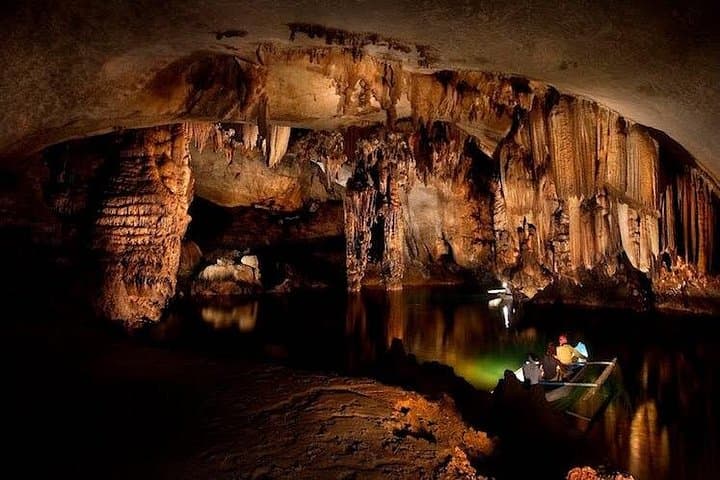
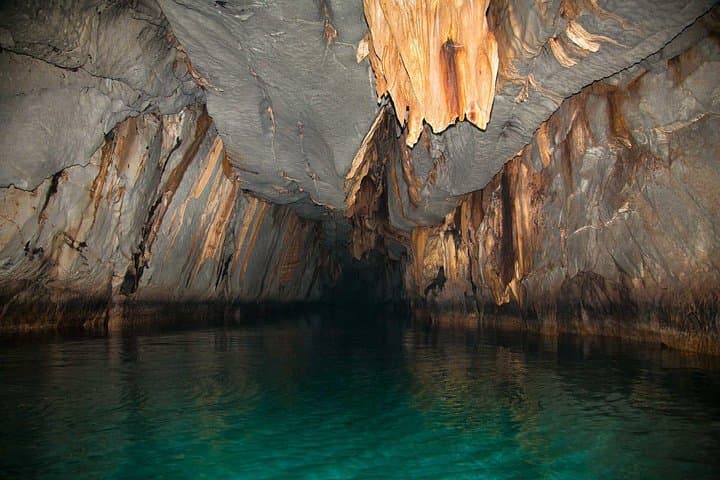
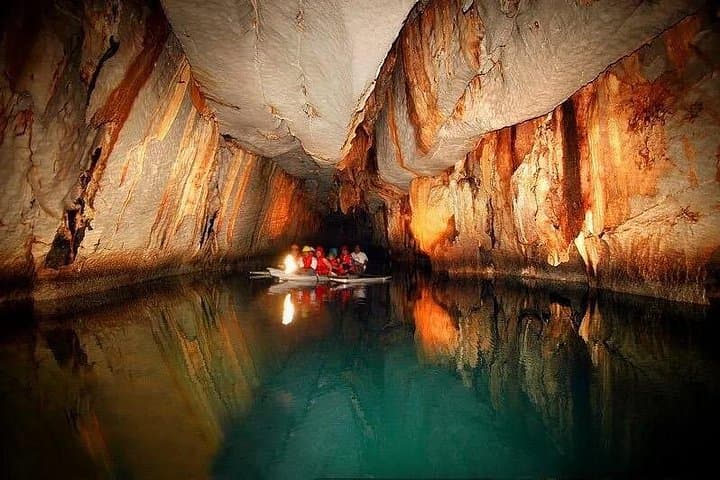
You push off from a dark, narrow mouth where the sea hesitates and the forest leans in. The motor hushes; only the drip of water and the whisper of oars remain as your skiff slides beneath a vault of stone. Light from the cave entrance fractures against mineral columns—stalactites reaching down like chandeliers, stalagmites rising as if answering. For an hour you become a small, watching creature in a subterranean world that has been forming for millennia.
You push off from a dark, narrow mouth where the sea hesitates and the forest leans in. The motor hushes; only the drip of water and the whisper of oars remain as your skiff slides beneath a vault of stone. Light from the cave entrance fractures against mineral columns—stalactites reaching down like chandeliers, stalagmites rising as if answering. For an hour you become a small, watching creature in a subterranean world that has been forming for millennia.
The Puerto Princesa Subterranean River was inscribed as a UNESCO World Heritage Site for good reason: it's one of the longest navigable underground rivers on Earth, threading through karst limestone carved by ancient seas. The limestone here is Pleistocene and older, sculpted by groundwater into chambers, rimstone pools and rare speleothems. Indigenous Tagbanua communities consider parts of the park ancestral land, with cultural ties that predate modern conservation efforts. The park’s UNESCO status reflects both its geological significance and its role in local culture and biodiversity.
The day tour follows a tidy rhythm. Pickup in Puerto Princesa by air-conditioned van, a coastal drive to the Sabang wharf, a mangrove-studded boat ride, then the guided skiff into the cave—about 60 minutes inside, per the itinerary. Along the way you'll pass a mangrove boardwalk, where mudskippers and kingfishers stake claim. Guides explain formation names, point out colonies of cave-dwelling swiftlets and bats, and time the trip so sunlight enters at angles that reveal the cave’s textures.
Practical details matter here. The day is long—expect about eight hours including transfers and lunch (included). Physical effort is minimal: the skiff ride dominates, but there is short walking on uneven, sometimes slippery steps. The tour is suitable for most fitness levels, though it’s not recommended for travelers with serious heart or spinal conditions. Small-group shared tours cap at a dozen people, and permit systems are in place to limit impact.
Plan for humidity, sudden rain, and bright sun between cave visits. Bring reef-safe sunscreen, a lightweight rain layer, closed shoes with grip for the mangrove paths, and a dry bag for electronics. Respect the cave: no flash photography near sensitive formations and follow your guide’s instructions—these spaces recover slowly when disturbed.
The Underground River is both spectacle and study: a place where geology, ecology and local history converge. Come prepared, listen to the guides, and the cave will reward you with a quiet, ancient drama—rock acting on a time scale far beyond our own.
