THE ADVENTURE COLLECTIVE® · Independent discovery and booking for outdoor travel

Spend a day where sapphires and spinels move from riverbed to market. This full-day gemology tour in Ratnapura combines geology, hands-on demonstrations and market time with local cutters—perfect for travelers who want to learn how gems are found, graded and traded.
Spend a day where sapphires and spinels move from riverbed to market. This full-day gemology tour in Ratnapura combines geology, hands-on demonstrations and market time with local cutters—perfect for travelers who want to learn how gems are found, graded and traded.
Morning arrives in Ratnapura with dust and river silt still clinging to boots; traders unwrap trays of rough sapphires under the tin awnings while cutters set up hand-turned bow lathes near the bridge. The day moves at the rhythm of the gem trade—sharp, practical, and tactile—each stone inspected under a loupe, each miner’s story folded into the market’s noise.
Verified experiences and guided adventures in the surrounding area.
Operated by Travel with CHE · Ratnapura, Sabaragamuwa Province
Morning arrives in Ratnapura with dust and river silt still clinging to boots; traders unwrap trays of rough sapphires under the tin awnings while cutters set up hand-turned bow lathes near the bridge. The day moves at the rhythm of the gem trade—sharp, practical, and tactile—each stone inspected under a loupe, each miner’s story folded into the market’s noise.
Ratnapura—literally “city of gems”—sits on Sri Lanka’s high-grade metamorphic belt. Geological pressure and heat formed corundum (sapphires), spinel, tourmaline and zircon in veins and alluvial gravels. The town’s history stretches back centuries as a trade hub connecting inland mining communities to coastal merchants and international buyers; traditional cut-and-polish techniques remain visible alongside modern faceting.
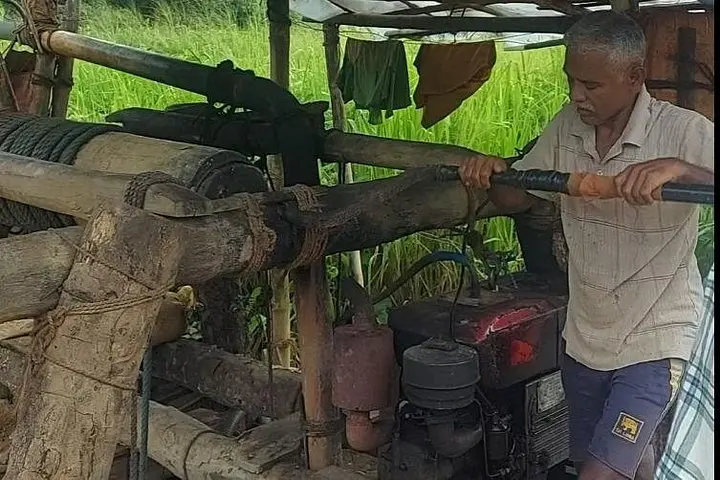
Culturally, gems are woven into local identity: informal river-mining crews, family-run cutting houses using the hanaporuwa, and a morning market where miners bring raw finds. Expect up-close demonstrations of river sluicing, a look inside small workshops, and a museum stop that outlines regional natural history.
Practical guidance: this is a full-day, mostly low-impact, observational tour—wear sturdy shoes for muddy riverbanks, bring cash for small purchases, and plan to arrive early if you want the liveliest market window (6:30–10:00). Ask for certificates when considering a purchase, be mindful when photographing people at work, and budget time to learn the basics of grading, cutting, and ethical sourcing. The tour is immersive but not strenuous—ideal for travelers curious about geology, craftsmanship, and the economics behind the stones.
The full-day experience lasts roughly 12–13 hours including travel; typical inclusions are an air-conditioned vehicle, breakfast, bottled water and expert guidance with gem inspection equipment available.
Yes—physically it’s easy, but expect some walking on uneven, sometimes muddy ground; plan for rests and notify the guide of mobility concerns during booking.
Yes, visits include shops and markets where you can purchase stones; always ask for testing/certification and compare multiple sellers before buying.
You will visit river mining areas and mining-adjacent sites; conditions depend on weather and local activity, so access can vary day-to-day.
Travel with CHE operates guided outdoor trips and adventures with an emphasis on safety, stewardship, and memorable experiences.
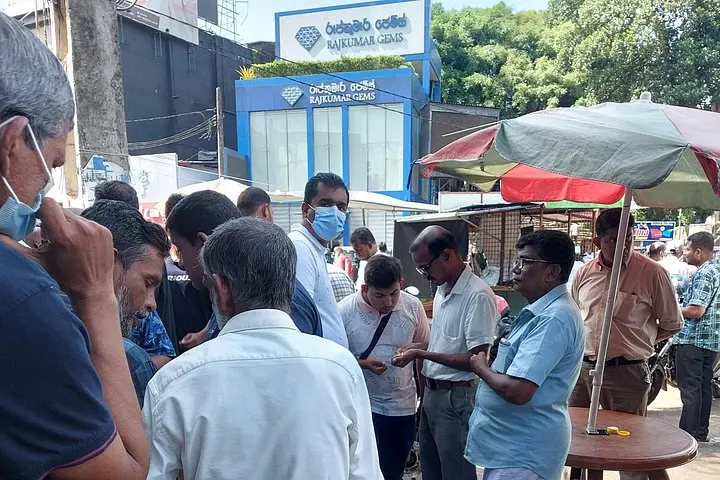
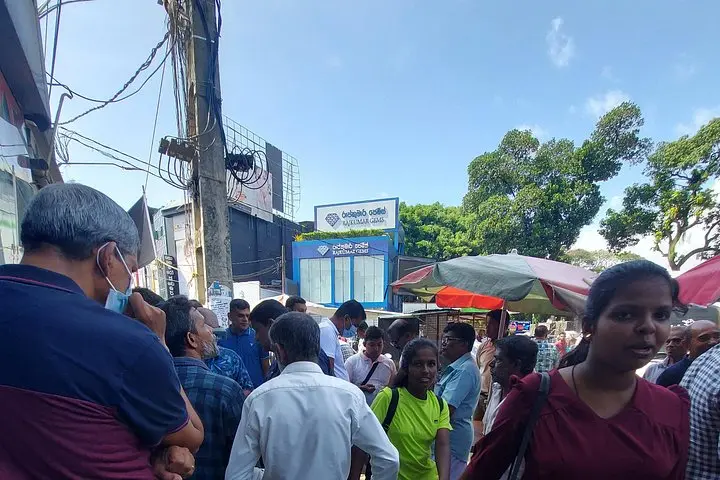
Morning arrives in Ratnapura with dust and river silt still clinging to boots; traders unwrap trays of rough sapphires under the tin awnings while cutters set up hand-turned bow lathes near the bridge. The day moves at the rhythm of the gem trade—sharp, practical, and tactile—each stone inspected under a loupe, each miner’s story folded into the market’s noise.
Morning arrives in Ratnapura with dust and river silt still clinging to boots; traders unwrap trays of rough sapphires under the tin awnings while cutters set up hand-turned bow lathes near the bridge. The day moves at the rhythm of the gem trade—sharp, practical, and tactile—each stone inspected under a loupe, each miner’s story folded into the market’s noise.
Ratnapura—literally “city of gems”—sits on Sri Lanka’s high-grade metamorphic belt. Geological pressure and heat formed corundum (sapphires), spinel, tourmaline and zircon in veins and alluvial gravels. The town’s history stretches back centuries as a trade hub connecting inland mining communities to coastal merchants and international buyers; traditional cut-and-polish techniques remain visible alongside modern faceting.
Culturally, gems are woven into local identity: informal river-mining crews, family-run cutting houses using the hanaporuwa, and a morning market where miners bring raw finds. Expect up-close demonstrations of river sluicing, a look inside small workshops, and a museum stop that outlines regional natural history.
Practical guidance: this is a full-day, mostly low-impact, observational tour—wear sturdy shoes for muddy riverbanks, bring cash for small purchases, and plan to arrive early if you want the liveliest market window (6:30–10:00). Ask for certificates when considering a purchase, be mindful when photographing people at work, and budget time to learn the basics of grading, cutting, and ethical sourcing. The tour is immersive but not strenuous—ideal for travelers curious about geology, craftsmanship, and the economics behind the stones.