THE ADVENTURE COLLECTIVE® · Independent discovery and booking for outdoor travel

Explore three millennia of Arabian history in Riyadh's Saudi National Museum with a guided, two‑hour tour. Learn where artifacts came from, which halls to prioritize, and practical tips for timing, accessibility, and what to bring.
Explore three millennia of Arabian history in Riyadh's Saudi National Museum with a guided, two‑hour tour. Learn where artifacts came from, which halls to prioritize, and practical tips for timing, accessibility, and what to bring.
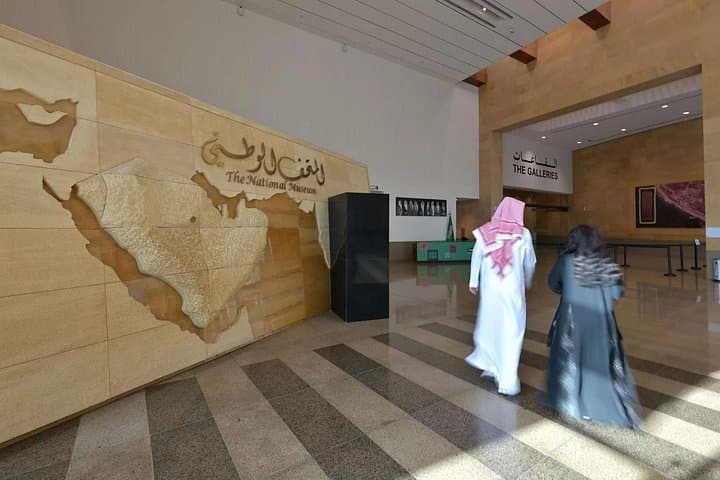
Stepping through the museum's entry, visitors move from the city's heat into an ordered sequence of galleries where time is given form: clay, metal, script and stone. Light falls on vitrines holding carved figures and manuscripts, while a guide traces human movement across the Arabian Peninsula from prehistoric landscapes to the courtyard of modern Riyadh.
Verified experiences and guided adventures in the surrounding area.
Operated by Seyaha · Riyadh, Riyadh
Stepping through the museum's entry, visitors move from the city's heat into an ordered sequence of galleries where time is given form: clay, metal, script and stone. Light falls on vitrines holding carved figures and manuscripts, while a guide traces human movement across the Arabian Peninsula from prehistoric landscapes to the courtyard of modern Riyadh.
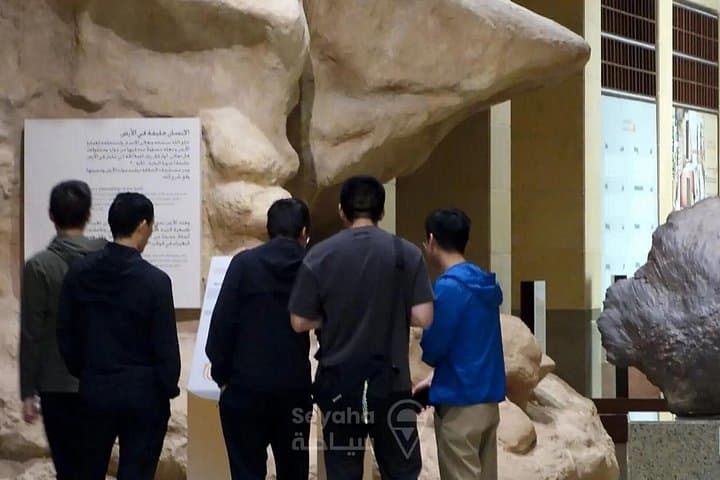
The Saudi National Museum (inaugurated 1419 AH / 1999 AD) occupies roughly 17,000 square meters beside King Abdulaziz Palace. Its eight principal halls include the Hall of Man and the Universe — an interpretive primer on geology and the region's natural forces — the Hall of Ancient Arabian Kingdoms, and the Pre-Islamic Era Hall, which together present artifacts dating from the fourth millennium BC through the early Islamic centuries. The displays foreground material culture: pottery, inscriptions, trade goods and models that map shifting commerce routes and settlement patterns across the peninsula.
Culturally the museum is a civic project: a centralized narrative of Saudi history and identity curated for both local audiences and international visitors. Geologically, exhibits explain how wind, sea and tectonics shaped human habitats and trade corridors.
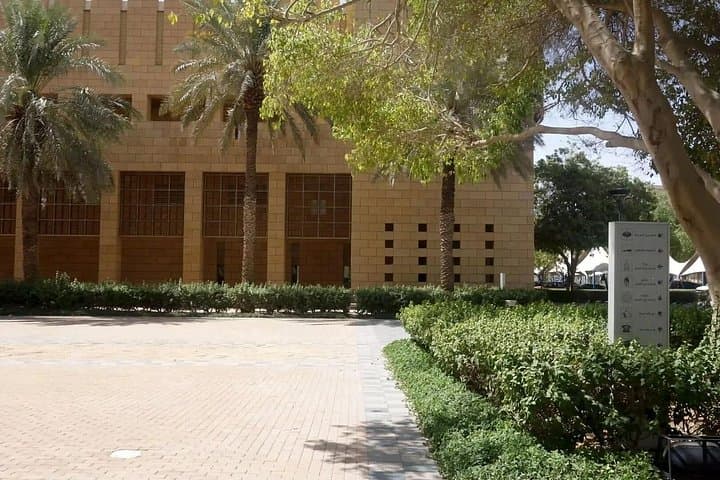
Practical guidance: plan on about two hours for a guided visit; mornings are cooler and less crowded. The site is wheelchair accessible and well served by nearby public transport; confirm the museum's photography and bag policies before arrival. Wear comfortable shoes for gallery walking, carry water, and leave extra time to explore the surrounding King Abdulaziz Historical Centre and its public gardens.
The standard guided tour runs about two hours, covering the principal halls and key artifacts.
Yes—exhibits, surfaces, and transportation options noted by the operator are wheelchair accessible.
Yes—displays are suitable for families and the tour is rated as physically easy for all ages.
Mobile or paper tickets are accepted; confirm booking requirements and cancellation policy when reserving.
Seyaha operates guided outdoor trips and adventures with an emphasis on safety, stewardship, and memorable experiences.

Stepping through the museum's entry, visitors move from the city's heat into an ordered sequence of galleries where time is given form: clay, metal, script and stone. Light falls on vitrines holding carved figures and manuscripts, while a guide traces human movement across the Arabian Peninsula from prehistoric landscapes to the courtyard of modern Riyadh.
Stepping through the museum's entry, visitors move from the city's heat into an ordered sequence of galleries where time is given form: clay, metal, script and stone. Light falls on vitrines holding carved figures and manuscripts, while a guide traces human movement across the Arabian Peninsula from prehistoric landscapes to the courtyard of modern Riyadh.
The Saudi National Museum (inaugurated 1419 AH / 1999 AD) occupies roughly 17,000 square meters beside King Abdulaziz Palace. Its eight principal halls include the Hall of Man and the Universe — an interpretive primer on geology and the region's natural forces — the Hall of Ancient Arabian Kingdoms, and the Pre-Islamic Era Hall, which together present artifacts dating from the fourth millennium BC through the early Islamic centuries. The displays foreground material culture: pottery, inscriptions, trade goods and models that map shifting commerce routes and settlement patterns across the peninsula.
Culturally the museum is a civic project: a centralized narrative of Saudi history and identity curated for both local audiences and international visitors. Geologically, exhibits explain how wind, sea and tectonics shaped human habitats and trade corridors.
Practical guidance: plan on about two hours for a guided visit; mornings are cooler and less crowded. The site is wheelchair accessible and well served by nearby public transport; confirm the museum's photography and bag policies before arrival. Wear comfortable shoes for gallery walking, carry water, and leave extra time to explore the surrounding King Abdulaziz Historical Centre and its public gardens.