THE ADVENTURE COLLECTIVE® · Independent discovery and booking for outdoor travel

Take a 90‑minute guided walk through Rome’s Stadio Olimpico and the Foro Italico complex. Go behind the scenes into locker rooms and restricted zones while learning the stadium’s Olympic legacy and role in Rome’s football culture.
Take a 90‑minute guided walk through Rome’s Stadio Olimpico and the Foro Italico complex. Go behind the scenes into locker rooms and restricted zones while learning the stadium’s Olympic legacy and role in Rome’s football culture.
You step up the concrete steps and the scale of the place becomes immediate: wide terraces, floodlight masts serrating the sky, and the hush of a pitch that has hosted titanic nights of football and music. The guide leads you along a service corridor; echoes of chants and applause feel less like memory and more like weather in this stadium.
Verified experiences and guided adventures in the surrounding area.
Operated by Italy Roman Tours · Rome, Lazio
You step up the concrete steps and the scale of the place becomes immediate: wide terraces, floodlight masts serrating the sky, and the hush of a pitch that has hosted titanic nights of football and music. The guide leads you along a service corridor; echoes of chants and applause feel less like memory and more like weather in this stadium.
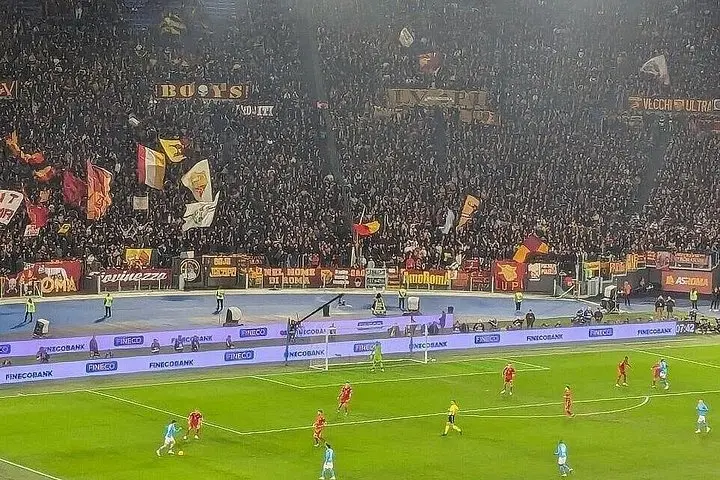
The Stadio Olimpico sits within the Foro Italico sports complex north of Rome’s center. Built into a larger early–20th-century athletic precinct and modernized several times since, the stadium served as a principal venue for the 1960 Olympic Games and was extensively renovated for later international fixtures and events. Its concrete ramps, marble statuary nearby, and broad sightlines reflect layers of Rome’s sporting culture — from club derbies between AS Roma and SS Lazio to international matches and major concerts.
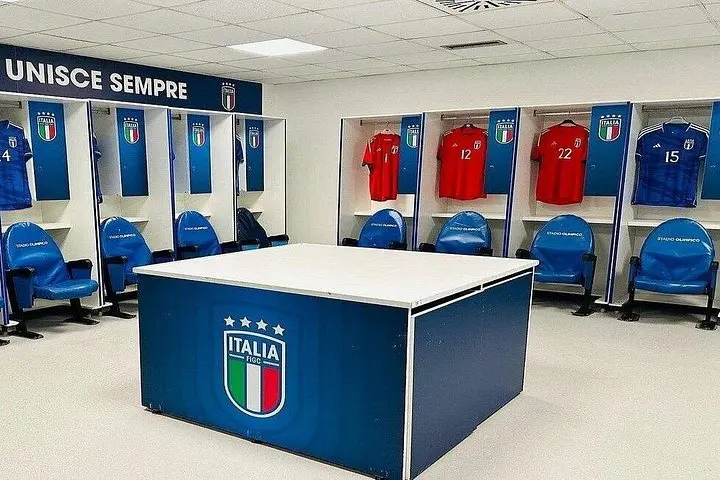
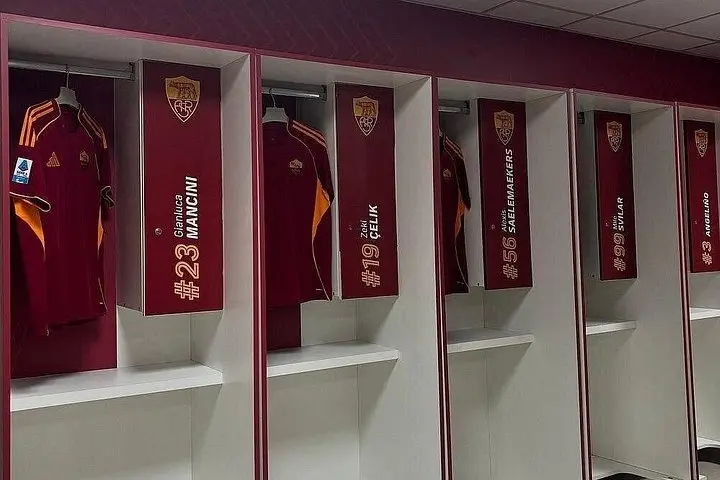
The tour moves from exterior viewpoints to behind-the-scenes spaces: players’ tunnels, locker rooms, and restricted vantage points that reveal how stadium operations fold into matchday ritual. Along the way you’ll hear practical anecdotes about stadium design, memorable matches, and how the Foro Italico’s architecture intersected with 20th-century civic planning.
Practical notes: the guided walk runs about 90 minutes, covers even ground with some steps, and is suitable for most fitness levels. Bring a charged phone for photos, a light layer against wind blown across the bowl, and your mobile ticket or ID — the tour includes admission and access to areas normally closed to the public. Aim for public transport to avoid matchday traffic, and reserve at least a couple of hours in your itinerary if you want to explore the surrounding complex afterward.
The guided experience runs approximately 90 minutes and covers both exterior viewpoints and behind-the-scenes areas.
Yes—this tour includes entrance to the Stadio Olimpico and access to areas normally closed to the public.
The tour is advertised as suitable for all physical fitness levels, but if you require specific accessibility accommodations, check with the operator ahead of booking.
Booking questions request passport details; bring a valid ID or passport and your mobile ticket for check‑in.
Italy Roman Tours operates guided outdoor trips and adventures with an emphasis on safety, stewardship, and memorable experiences.

You step up the concrete steps and the scale of the place becomes immediate: wide terraces, floodlight masts serrating the sky, and the hush of a pitch that has hosted titanic nights of football and music. The guide leads you along a service corridor; echoes of chants and applause feel less like memory and more like weather in this stadium.
You step up the concrete steps and the scale of the place becomes immediate: wide terraces, floodlight masts serrating the sky, and the hush of a pitch that has hosted titanic nights of football and music. The guide leads you along a service corridor; echoes of chants and applause feel less like memory and more like weather in this stadium.
The Stadio Olimpico sits within the Foro Italico sports complex north of Rome’s center. Built into a larger early–20th-century athletic precinct and modernized several times since, the stadium served as a principal venue for the 1960 Olympic Games and was extensively renovated for later international fixtures and events. Its concrete ramps, marble statuary nearby, and broad sightlines reflect layers of Rome’s sporting culture — from club derbies between AS Roma and SS Lazio to international matches and major concerts.
The tour moves from exterior viewpoints to behind-the-scenes spaces: players’ tunnels, locker rooms, and restricted vantage points that reveal how stadium operations fold into matchday ritual. Along the way you’ll hear practical anecdotes about stadium design, memorable matches, and how the Foro Italico’s architecture intersected with 20th-century civic planning.
Practical notes: the guided walk runs about 90 minutes, covers even ground with some steps, and is suitable for most fitness levels. Bring a charged phone for photos, a light layer against wind blown across the bowl, and your mobile ticket or ID — the tour includes admission and access to areas normally closed to the public. Aim for public transport to avoid matchday traffic, and reserve at least a couple of hours in your itinerary if you want to explore the surrounding complex afterward.