THE ADVENTURE COLLECTIVE® · Independent discovery and booking for outdoor travel

Walk the same routes as senators and gladiators on a focused small-group tour of the Colosseum, Roman Forum, and Palatine Hill. Expect close-up archaeology, layered history, and practical tips for uneven terrain and conservation-related route changes.
Walk the same routes as senators and gladiators on a focused small-group tour of the Colosseum, Roman Forum, and Palatine Hill. Expect close-up archaeology, layered history, and practical tips for uneven terrain and conservation-related route changes.
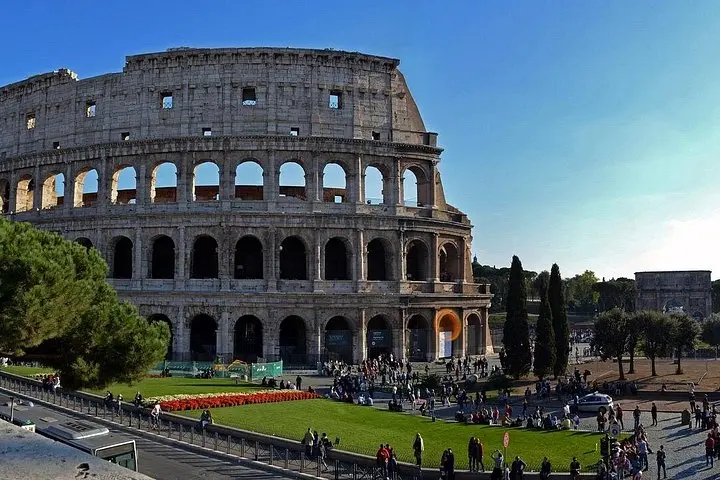
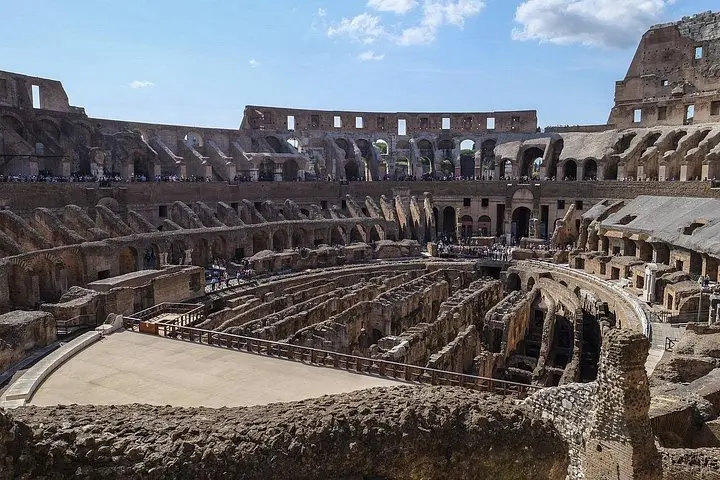
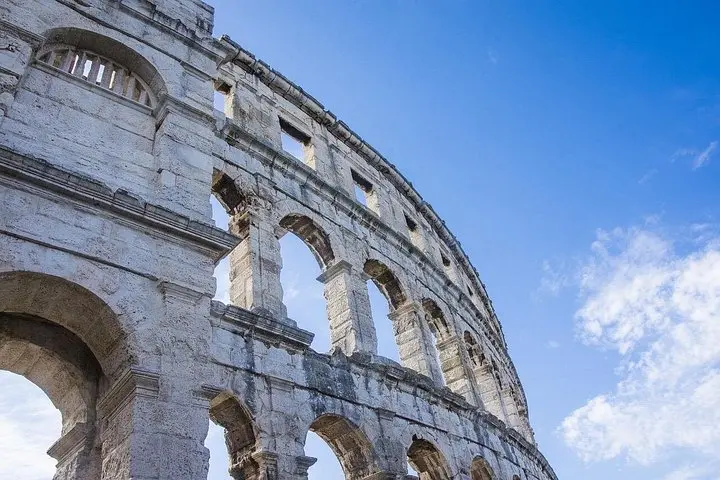
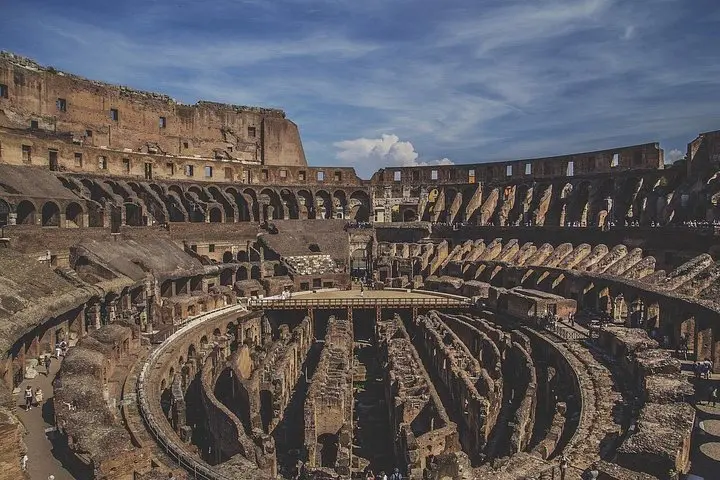
You emerge from the city’s narrow streets into a bowl of stone and sky: the Colosseum’s outer arches frame a living stage where voices of guides and the murmur of visitors mix with the city’s distant traffic. Sunlight finds the worn steps; the ruins feel immediate, as if the arena could breathe again.
Verified experiences and guided adventures in the surrounding area.
Operated by Doooing Experience · Rome, Lazio
You emerge from the city’s narrow streets into a bowl of stone and sky: the Colosseum’s outer arches frame a living stage where voices of guides and the murmur of visitors mix with the city’s distant traffic. Sunlight finds the worn steps; the ruins feel immediate, as if the arena could breathe again.
This compact small-group tour strings together three of ancient Rome’s principal sites: the Colosseum, the Roman Forum, and Palatine Hill. The Colosseum, completed in the 1st century CE, once held 50,000 spectators; the Forum served as the political and commercial heart of the republic and empire; Palatine Hill, rising roughly 40 meters above the Forum, hosts imperial palaces and sweeping views toward the Circus Maximus and Capitoline Hill.
Stone, volcanic tuff, and travertine articulate the city’s geology; centuries of repairs, reuse, and restoration are visible in layered masonry. Cultural notes: the Forum’s temples and basilicas chart Rome’s civic life, while Palatine’s gardens and fragments reveal elite domestic architecture and later medieval occupations. Expect pockets where scaffolding or restricted access alters a route during restoration campaigns.
Practical guidance: plan for 2–3 hours of standing and walking on uneven surfaces, including steps and compacted dirt. Bring a refillable bottle, wear sturdy shoes, and arrive a few minutes early to ensure smooth boarding. Headsets are typically provided to hear the guide in the open spaces. Check pre-tour messages for any route updates or access changes during special events or conservation work.
This small-group tour uses a dedicated group entrance to streamline entry, but access policies can vary; it is not a guaranteed full bypass of all queues, especially during peak periods.
The tour is listed as physically easy but includes stairs and standing; travelers with serious spinal or cardiovascular issues should consult their doctor and check restrictions in booking notes.
Meeting locations are typically central and clearly communicated in booking messages—arrive 10–15 minutes early to allow time for check-in and headsets.
Photography for personal use is allowed in most outdoor areas; tripods and professional equipment may be restricted inside certain monuments—ask your guide if unsure.
Doooing Experience operates guided outdoor trips and adventures with an emphasis on safety, stewardship, and memorable experiences.
You emerge from the city’s narrow streets into a bowl of stone and sky: the Colosseum’s outer arches frame a living stage where voices of guides and the murmur of visitors mix with the city’s distant traffic. Sunlight finds the worn steps; the ruins feel immediate, as if the arena could breathe again.
You emerge from the city’s narrow streets into a bowl of stone and sky: the Colosseum’s outer arches frame a living stage where voices of guides and the murmur of visitors mix with the city’s distant traffic. Sunlight finds the worn steps; the ruins feel immediate, as if the arena could breathe again.
This compact small-group tour strings together three of ancient Rome’s principal sites: the Colosseum, the Roman Forum, and Palatine Hill. The Colosseum, completed in the 1st century CE, once held 50,000 spectators; the Forum served as the political and commercial heart of the republic and empire; Palatine Hill, rising roughly 40 meters above the Forum, hosts imperial palaces and sweeping views toward the Circus Maximus and Capitoline Hill.
Stone, volcanic tuff, and travertine articulate the city’s geology; centuries of repairs, reuse, and restoration are visible in layered masonry. Cultural notes: the Forum’s temples and basilicas chart Rome’s civic life, while Palatine’s gardens and fragments reveal elite domestic architecture and later medieval occupations. Expect pockets where scaffolding or restricted access alters a route during restoration campaigns.
Practical guidance: plan for 2–3 hours of standing and walking on uneven surfaces, including steps and compacted dirt. Bring a refillable bottle, wear sturdy shoes, and arrive a few minutes early to ensure smooth boarding. Headsets are typically provided to hear the guide in the open spaces. Check pre-tour messages for any route updates or access changes during special events or conservation work.