THE ADVENTURE COLLECTIVE® · Independent discovery and booking for outdoor travel

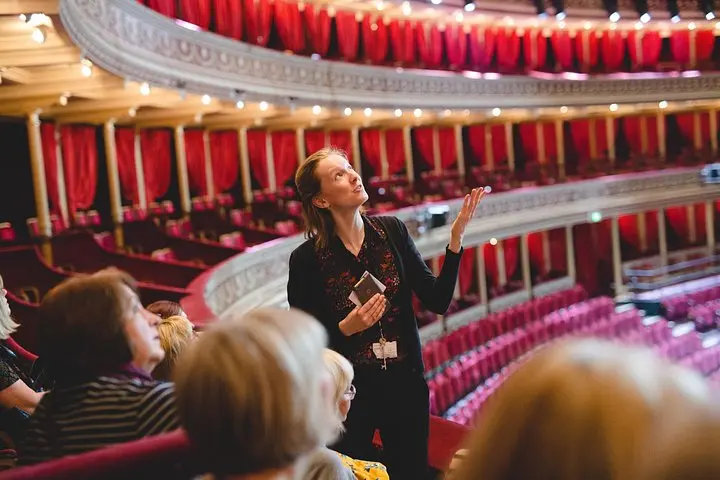
Step behind the scenes of one of London’s most storied venues on a one-hour guided tour of the Royal Albert Hall. Explore royal boxes, backstage corridors and the famed auditorium while learning the architectural and acoustic stories that shaped this landmark.
Step behind the scenes of one of London’s most storied venues on a one-hour guided tour of the Royal Albert Hall. Explore royal boxes, backstage corridors and the famed auditorium while learning the architectural and acoustic stories that shaped this landmark.
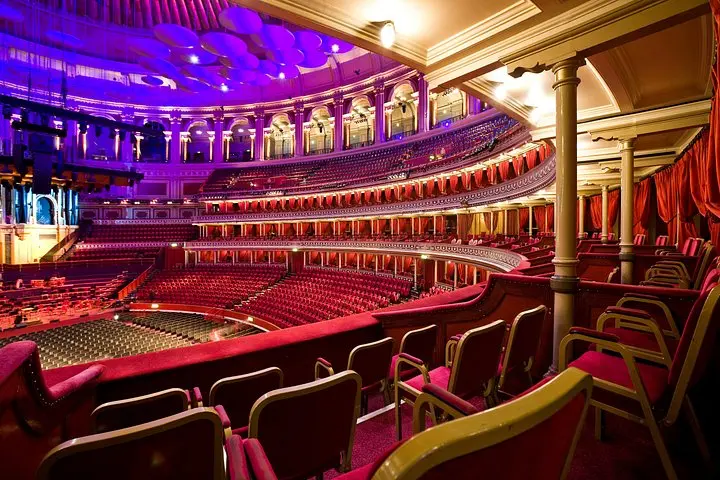
Step through the heavy doors and the air changes: varnish, old brass and the faint hum of rehearsals mix with a wash of light from the circular auditorium above.
Verified experiences and guided adventures in the surrounding area.
Operated by Royal Albert Hall · London, England
Step through the heavy doors and the air changes: varnish, old brass and the faint hum of rehearsals mix with a wash of light from the circular auditorium above.
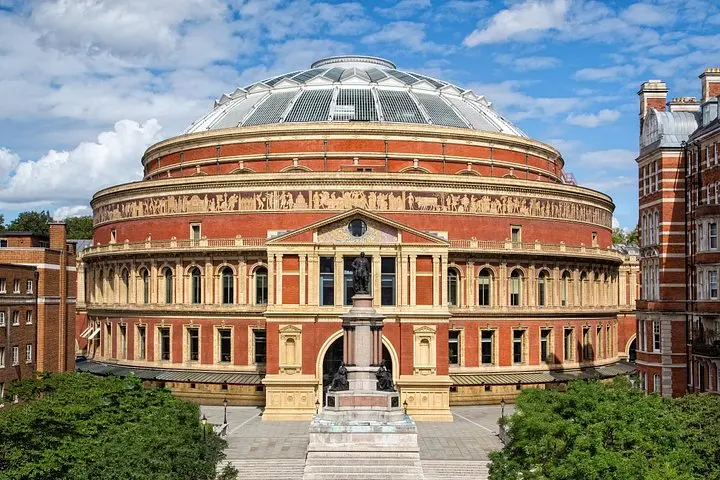
On a guided tour of the Royal Albert Hall you move from corridor to circle, peering into the Queen’s Box and imagining the roar that met Muhammad Ali or the hush before the BBC Proms. The Hall’s red-brick and terracotta façade, completed in 1871, reflects Victorian engineering and the civic drive that followed the Great Exhibition—a cultural project born of Prince Albert’s ambition.
The building’s signature problem was acoustic: sound once bounced like an unruly guest until Victorian scientists and later engineers tamed the echo with a fibrous ‘mushroom’ canopy above the stage. That living solution still shapes the way music and speech behave here; the auditorium seems to lean in, eager to listen.
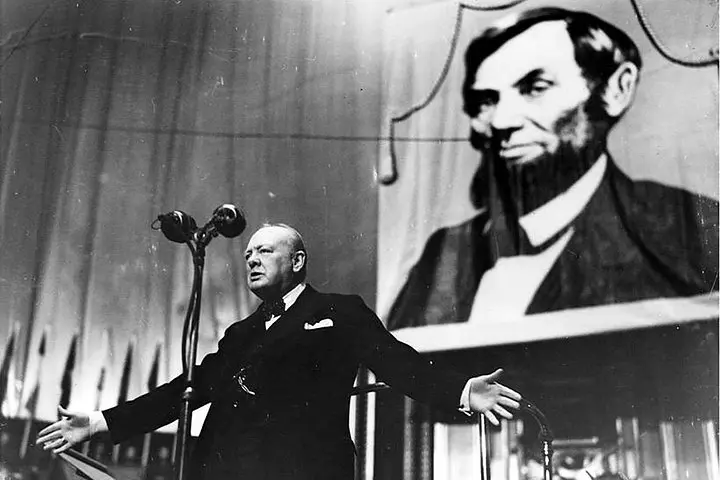
Culturally, the Hall bridges high ceremony and pop spectacle. You’ll see portraits, backstage lockers, and the Royal Retiring Room—small theaters of memory where politicians, athletes, and artists crossed paths.
Practicalities: tours run about an hour, are wheelchair accessible, and often allow questions—bring them. Photography is usually allowed in public areas but not during rehearsals; check with staff. Arrive 10–15 minutes early to join the group, wear comfortable shoes for standing and stairs, and leave large bags at your accommodation or on-site cloakroom if available.
The tour isn’t a concert, but it places you on the stage of history—informative, tactile, and full of the kind of detail that makes a future show come alive.
Tours last about one hour and include the auditorium, royal areas and selected backstage spaces depending on schedule.
Yes; the Hall provides step-free access to key public areas and can accommodate mobility needs—notify the operator when booking.
Photography is generally allowed in public spaces but may be restricted during rehearsals or in certain backstage areas; staff will advise on arrival.
You might encounter a soundcheck or rehearsals occasionally, but tours are not guaranteed to include live artists—check the day’s schedule for conflicts.
Royal Albert Hall operates guided outdoor trips and adventures with an emphasis on safety, stewardship, and memorable experiences.
Step through the heavy doors and the air changes: varnish, old brass and the faint hum of rehearsals mix with a wash of light from the circular auditorium above.
Step through the heavy doors and the air changes: varnish, old brass and the faint hum of rehearsals mix with a wash of light from the circular auditorium above.
On a guided tour of the Royal Albert Hall you move from corridor to circle, peering into the Queen’s Box and imagining the roar that met Muhammad Ali or the hush before the BBC Proms. The Hall’s red-brick and terracotta façade, completed in 1871, reflects Victorian engineering and the civic drive that followed the Great Exhibition—a cultural project born of Prince Albert’s ambition.
The building’s signature problem was acoustic: sound once bounced like an unruly guest until Victorian scientists and later engineers tamed the echo with a fibrous ‘mushroom’ canopy above the stage. That living solution still shapes the way music and speech behave here; the auditorium seems to lean in, eager to listen.
Culturally, the Hall bridges high ceremony and pop spectacle. You’ll see portraits, backstage lockers, and the Royal Retiring Room—small theaters of memory where politicians, athletes, and artists crossed paths.
Practicalities: tours run about an hour, are wheelchair accessible, and often allow questions—bring them. Photography is usually allowed in public areas but not during rehearsals; check with staff. Arrive 10–15 minutes early to join the group, wear comfortable shoes for standing and stairs, and leave large bags at your accommodation or on-site cloakroom if available.
The tour isn’t a concert, but it places you on the stage of history—informative, tactile, and full of the kind of detail that makes a future show come alive.