THE ADVENTURE COLLECTIVE® · Independent discovery and booking for outdoor travel

Walk the marble avenues and mirror-like pools of Abu Dhabi’s Sheikh Zayed Grand Mosque on a private tour that combines architectural overview and cultural insights. Learn when to go, what to wear, and how to photograph the mosque’s sweeping interior without disturbing worship.
Walk the marble avenues and mirror-like pools of Abu Dhabi’s Sheikh Zayed Grand Mosque on a private tour that combines architectural overview and cultural insights. Learn when to go, what to wear, and how to photograph the mosque’s sweeping interior without disturbing worship.
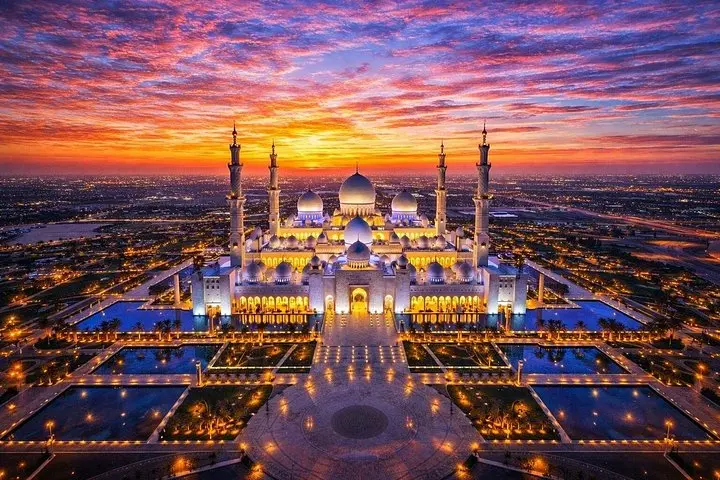
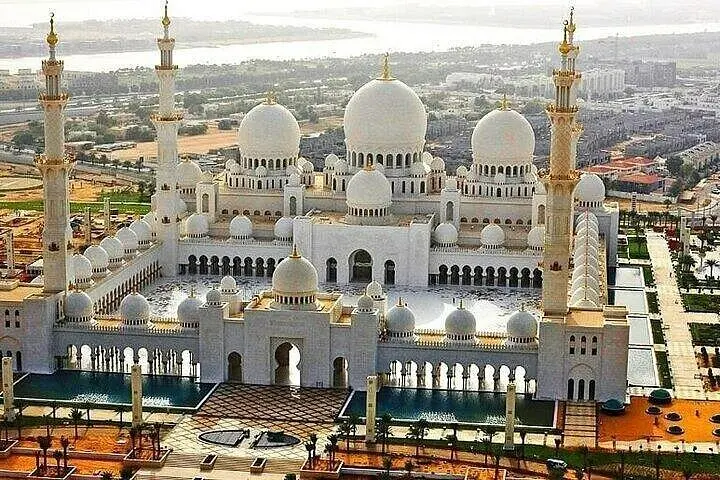
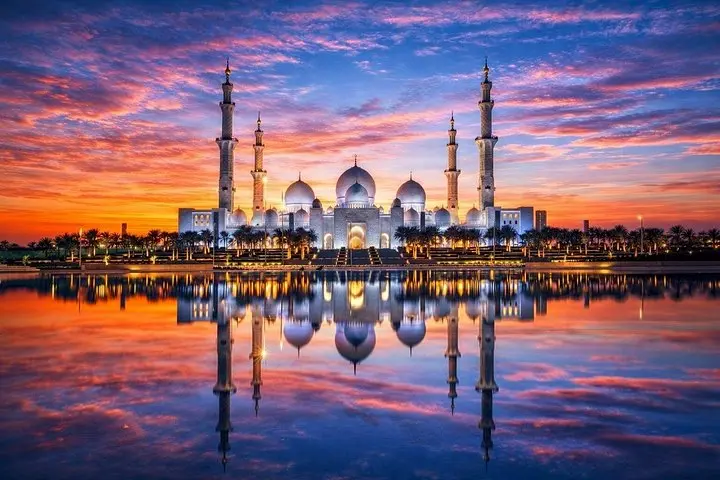
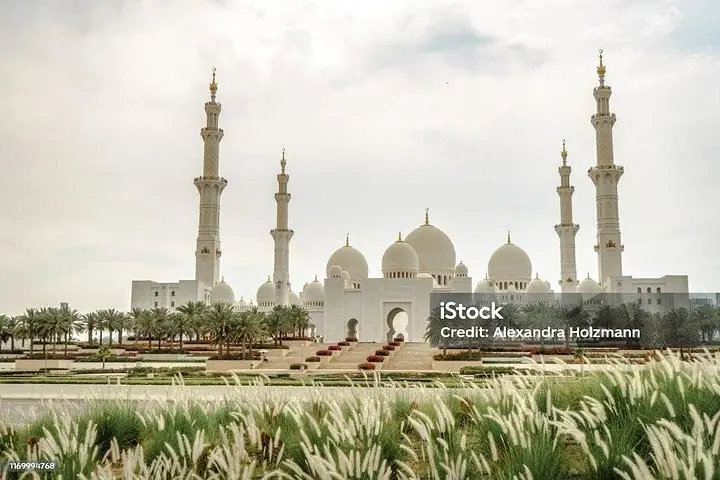
You step from the shade of the vehicle into a vast white courtyard where sun-swept marble cools underfoot and reflective pools catch the mosque’s domes like a second sky. The air feels orderly—quiet footsteps, the soft murmur of guided explanation—and the structure’s scale becomes the day’s first fact: 82 domes, towering minarets, and the world’s largest hand-knotted carpet reclining beneath crystal chandeliers.
Verified experiences and guided adventures in the surrounding area.
Operated by Classic City Tourism · Abu Dhabi, Abu Dhabi Emirate
You step from the shade of the vehicle into a vast white courtyard where sun-swept marble cools underfoot and reflective pools catch the mosque’s domes like a second sky. The air feels orderly—quiet footsteps, the soft murmur of guided explanation—and the structure’s scale becomes the day’s first fact: 82 domes, towering minarets, and the world’s largest hand-knotted carpet reclining beneath crystal chandeliers.
Built in the early 2000s and opened in 2007, the Sheikh Zayed Grand Mosque is both a modern national monument and a living place of worship, merging Mughal, Moorish and contemporary design. Granite and imported Italian marble frame intricate floral mosaics and calligraphic panels; Swarovski crystals refract light from massive chandeliers; reflective pools outline the mosque’s geometry at dawn and dusk.
Culturally, the mosque is a center for community prayer and interfaith curiosity—guided visits emphasize respect, architecture, and Emirati traditions. Geologically, the site’s materials range from desert-sourced stone nearby to imported marbles and semi-precious inlays, producing a cool, tactile landscape that contrasts with Abu Dhabi’s heat.
Practically: schedule a morning or late-afternoon visit for softer light and smaller crowds; wear modest clothing (women usually wear an abaya provided if needed); allow 2–3 hours to fully absorb interior and exterior highlights; expect accessible paths and on-demand transport options. Bring a camera with a wide lens for interior shots, but follow photography guidelines in prayer areas. The private tour pace gives room for questions, reflective pauses by the pools, and a clear picture of how contemporary Emirati identity is carved into stone.
Yes—modest dress is required. Men should wear long trousers and shirts; women should cover arms, legs, and hair. Abayas and headscarves are often available on site.
This private experience typically runs about five hours including transport and extended time for photography and guided interpretation.
Yes—the site and provided transportation are wheelchair accessible, with level surfaces and ramps in public areas.
Photography is allowed in most public areas, but avoid using flash or tripods in prayer halls and respect signage and worshippers; always follow your guide’s instructions.
Classic City Tourism operates guided outdoor trips and adventures with an emphasis on safety, stewardship, and memorable experiences.
You step from the shade of the vehicle into a vast white courtyard where sun-swept marble cools underfoot and reflective pools catch the mosque’s domes like a second sky. The air feels orderly—quiet footsteps, the soft murmur of guided explanation—and the structure’s scale becomes the day’s first fact: 82 domes, towering minarets, and the world’s largest hand-knotted carpet reclining beneath crystal chandeliers.
You step from the shade of the vehicle into a vast white courtyard where sun-swept marble cools underfoot and reflective pools catch the mosque’s domes like a second sky. The air feels orderly—quiet footsteps, the soft murmur of guided explanation—and the structure’s scale becomes the day’s first fact: 82 domes, towering minarets, and the world’s largest hand-knotted carpet reclining beneath crystal chandeliers.
Built in the early 2000s and opened in 2007, the Sheikh Zayed Grand Mosque is both a modern national monument and a living place of worship, merging Mughal, Moorish and contemporary design. Granite and imported Italian marble frame intricate floral mosaics and calligraphic panels; Swarovski crystals refract light from massive chandeliers; reflective pools outline the mosque’s geometry at dawn and dusk.
Culturally, the mosque is a center for community prayer and interfaith curiosity—guided visits emphasize respect, architecture, and Emirati traditions. Geologically, the site’s materials range from desert-sourced stone nearby to imported marbles and semi-precious inlays, producing a cool, tactile landscape that contrasts with Abu Dhabi’s heat.
Practically: schedule a morning or late-afternoon visit for softer light and smaller crowds; wear modest clothing (women usually wear an abaya provided if needed); allow 2–3 hours to fully absorb interior and exterior highlights; expect accessible paths and on-demand transport options. Bring a camera with a wide lens for interior shots, but follow photography guidelines in prayer areas. The private tour pace gives room for questions, reflective pauses by the pools, and a clear picture of how contemporary Emirati identity is carved into stone.