THE ADVENTURE COLLECTIVE® · Independent discovery and booking for outdoor travel

Walk through a modern aquatic gallery beneath Tokyo Skytree where penguins, fur seals, and homebred jellyfish take center stage. This practical guide covers what to see, how to plan your visit, and on-the-ground tips for timing, transport, and accessibility.
Walk through a modern aquatic gallery beneath Tokyo Skytree where penguins, fur seals, and homebred jellyfish take center stage. This practical guide covers what to see, how to plan your visit, and on-the-ground tips for timing, transport, and accessibility.
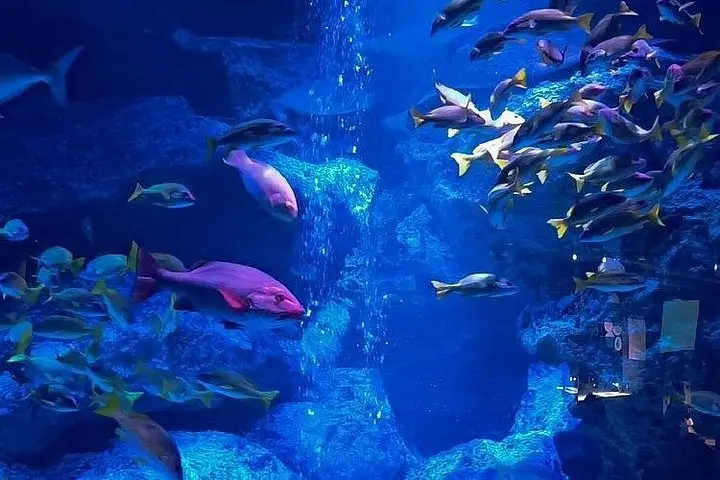
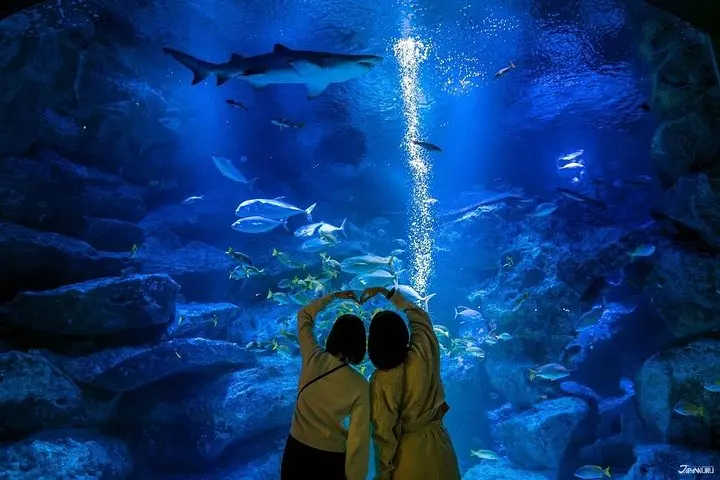
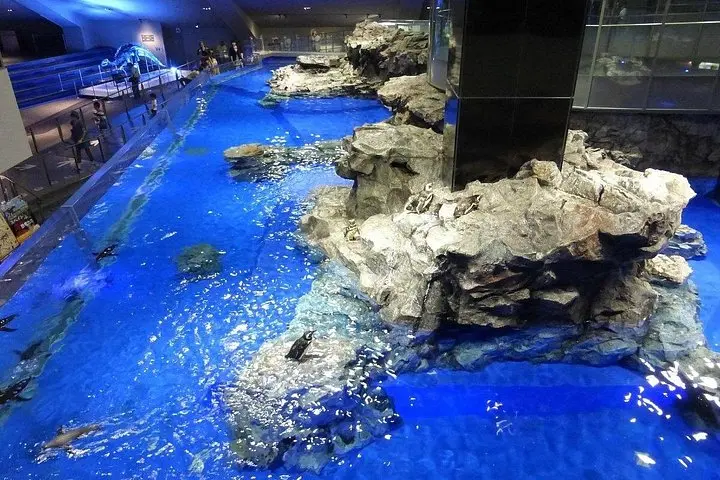
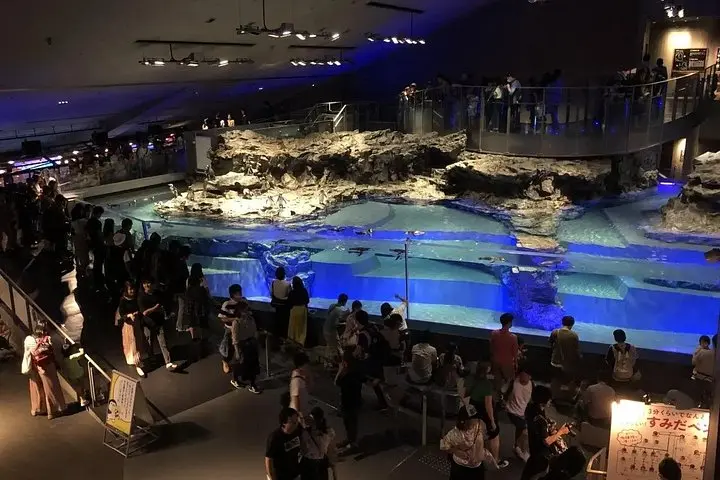
You step off the escalator into cool dim light and the low, steady thrum of circulation—the tanks here set a deliberate pace. Glass curves forward and backward as you circle a massive central tank, watching penguins slice through water and jellyfish pulse in lit-up globes. Through high windows the outline of Tokyo Skytree looms; the city hums beyond this quiet, aquatic theater.
Verified experiences and guided adventures in the surrounding area.
Operated by FawSha Travels · Tokyo, Tokyo
You step off the escalator into cool dim light and the low, steady thrum of circulation—the tanks here set a deliberate pace. Glass curves forward and backward as you circle a massive central tank, watching penguins slice through water and jellyfish pulse in lit-up globes. Through high windows the outline of Tokyo Skytree looms; the city hums beyond this quiet, aquatic theater.
Opened in 2012 with Tokyo Skytree Town, Sumida Aquarium pairs contemporary design with focused exhibits: one of Japan’s largest indoor open tanks, breeding programs for jellyfish, and compact habitats for penguins and fur seals. Geology and oceanography arrive indirectly here—species are grouped to show currents, depth zones, and coastal life rather than broad biogeography—so the experience reads like a close-up primer on marine form and function. The cultural note is clear: urban Tokyo values curated nature, education, and accessibility, and the aquarium fits that civic thread.
Practicalities are straightforward. Admission is timed within the museum hours (weekdays 10:00–20:00; weekends earlier and later), and visits commonly take 60–120 minutes. Present your e‑voucher at the entrance; mobile tickets are accepted. Expect stroller access, benches around tanks, and dimmed galleries where flash photography is banned. Peak times are mornings, lunchtime, and early evening—arrive early for quieter penguin viewing.
Tips matter: wear shoes for standing and moving between levels, charge your devices for the low-light galleries, and pair the visit with a walk along Sumida River or the Skytree observation decks for wider city context. The aquarium is compact but layered—scientific, theatrical, and quietly civic all at once.
No; this listing covers Sumida Aquarium admission only—Skytree access requires a separate ticket or combo package purchased through other listings.
Yes. The aquarium has elevators and ramps connecting its two levels, and benches placed around galleries for resting.
No pets are allowed, except for registered service animals with proper identification.
Some animal talks and scheduled displays occur periodically—check the aquarium's daily schedule on arrival or the official website for exact times.
FawSha Travels operates guided outdoor trips and adventures with an emphasis on safety, stewardship, and memorable experiences.
You step off the escalator into cool dim light and the low, steady thrum of circulation—the tanks here set a deliberate pace. Glass curves forward and backward as you circle a massive central tank, watching penguins slice through water and jellyfish pulse in lit-up globes. Through high windows the outline of Tokyo Skytree looms; the city hums beyond this quiet, aquatic theater.
You step off the escalator into cool dim light and the low, steady thrum of circulation—the tanks here set a deliberate pace. Glass curves forward and backward as you circle a massive central tank, watching penguins slice through water and jellyfish pulse in lit-up globes. Through high windows the outline of Tokyo Skytree looms; the city hums beyond this quiet, aquatic theater.
Opened in 2012 with Tokyo Skytree Town, Sumida Aquarium pairs contemporary design with focused exhibits: one of Japan’s largest indoor open tanks, breeding programs for jellyfish, and compact habitats for penguins and fur seals. Geology and oceanography arrive indirectly here—species are grouped to show currents, depth zones, and coastal life rather than broad biogeography—so the experience reads like a close-up primer on marine form and function. The cultural note is clear: urban Tokyo values curated nature, education, and accessibility, and the aquarium fits that civic thread.
Practicalities are straightforward. Admission is timed within the museum hours (weekdays 10:00–20:00; weekends earlier and later), and visits commonly take 60–120 minutes. Present your e‑voucher at the entrance; mobile tickets are accepted. Expect stroller access, benches around tanks, and dimmed galleries where flash photography is banned. Peak times are mornings, lunchtime, and early evening—arrive early for quieter penguin viewing.
Tips matter: wear shoes for standing and moving between levels, charge your devices for the low-light galleries, and pair the visit with a walk along Sumida River or the Skytree observation decks for wider city context. The aquarium is compact but layered—scientific, theatrical, and quietly civic all at once.