THE ADVENTURE COLLECTIVE® · Independent discovery and booking for outdoor travel

Explore Tate Modern with a knowledgeable guide in an intimate group of up to six. This 2.5-hour tour unlocks major works, the converted power-station architecture, and practical tips to make the most of a busy cultural landmark.
Explore Tate Modern with a knowledgeable guide in an intimate group of up to six. This 2.5-hour tour unlocks major works, the converted power-station architecture, and practical tips to make the most of a busy cultural landmark.
Step through the Tate Modern’s industrial doors and the city’s hum gives way to low voices and the soft scrape of soles on concrete.
Verified experiences and guided adventures in the surrounding area.
Operated by LivTours · London, Greater London
Step through the Tate Modern’s industrial doors and the city’s hum gives way to low voices and the soft scrape of soles on concrete.
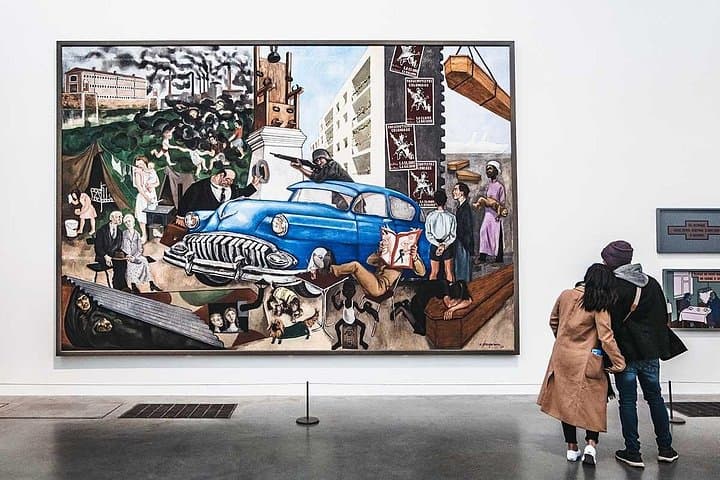
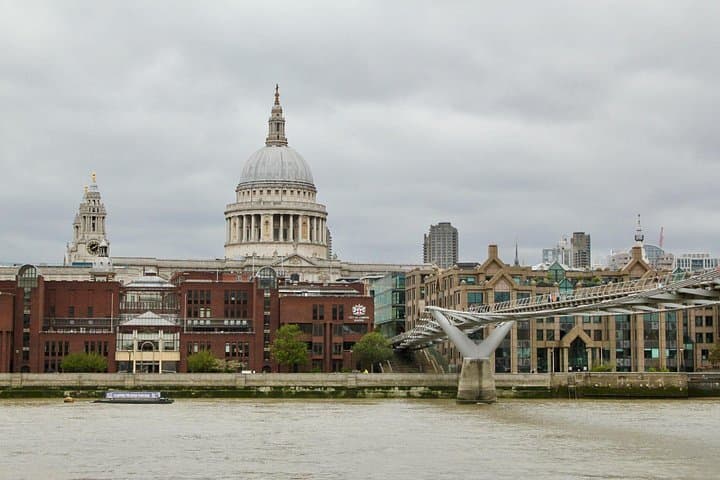
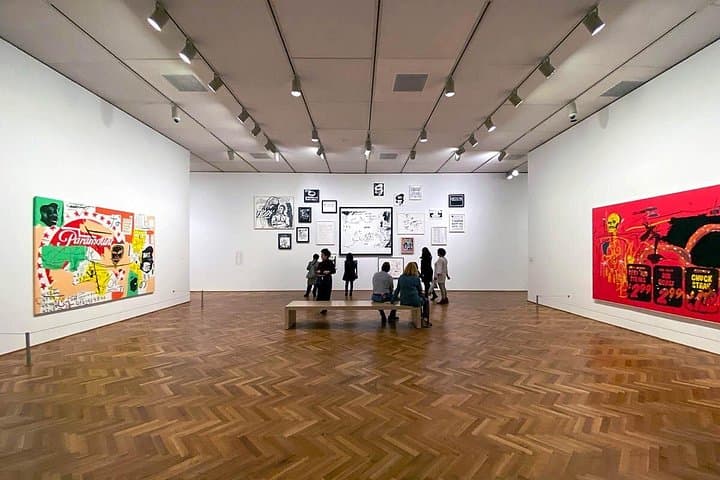
Located on Bankside where the Thames brushes the Millennium Bridge, this two-and-a-half-hour small-group tour moves deliberately through the Turbine Hall, the Blavatnik (formerly Switch House) galleries and the main collection rooms. The building itself—a converted Bankside Power Station redesigned by Herzog & de Meuron—still reads like an object: high brick walls, skylights, and cavernous galleries that frame modern works by Picasso, Warhol and Dali.
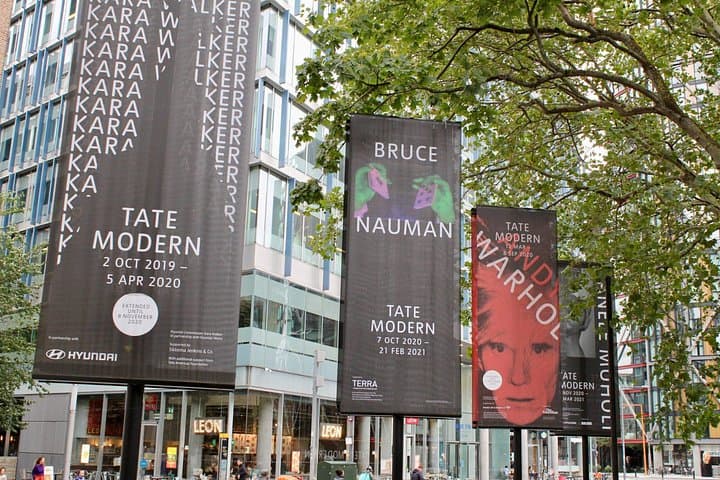
Opened by Queen Elizabeth II in May 2000, Tate Modern reshaped London’s cultural edge and now draws millions yearly. Expect a mix of post-war painting, conceptual installations and occasional large-scale commissions that play on scale and material. Guides on small-group tours point out stylistic markers, provenance stories and moments where the building and collection meet—like site-specific pieces in the Turbine Hall.
Practicalities matter: the tour is capped at six people, includes museum entrance, and lasts roughly 150 minutes. Bags larger than cabin dimensions aren’t permitted; public transport to Southwark or Blackfriars is easiest. Visit midweek mornings to avoid crowds and set aside time for the viewing level and riverside walk after the tour. Bring comfortable shoes, a charged phone for photos where allowed, and an openness to art that asks questions rather than hands answers.
Yes, the tour includes entrance to Tate Modern so you won’t pay extra for general admission.
This specific tour listing states it does not accommodate wheelchairs—contact the operator directly for alternative accessible options.
Children are permitted but must be accompanied by an adult; check age restrictions with the operator during booking.
Full refund is available if you cancel at least 24 hours before the scheduled departure; no refund within 24 hours.
LivTours operates guided outdoor trips and adventures with an emphasis on safety, stewardship, and memorable experiences.
Step through the Tate Modern’s industrial doors and the city’s hum gives way to low voices and the soft scrape of soles on concrete.
Step through the Tate Modern’s industrial doors and the city’s hum gives way to low voices and the soft scrape of soles on concrete.
Located on Bankside where the Thames brushes the Millennium Bridge, this two-and-a-half-hour small-group tour moves deliberately through the Turbine Hall, the Blavatnik (formerly Switch House) galleries and the main collection rooms. The building itself—a converted Bankside Power Station redesigned by Herzog & de Meuron—still reads like an object: high brick walls, skylights, and cavernous galleries that frame modern works by Picasso, Warhol and Dali.
Opened by Queen Elizabeth II in May 2000, Tate Modern reshaped London’s cultural edge and now draws millions yearly. Expect a mix of post-war painting, conceptual installations and occasional large-scale commissions that play on scale and material. Guides on small-group tours point out stylistic markers, provenance stories and moments where the building and collection meet—like site-specific pieces in the Turbine Hall.
Practicalities matter: the tour is capped at six people, includes museum entrance, and lasts roughly 150 minutes. Bags larger than cabin dimensions aren’t permitted; public transport to Southwark or Blackfriars is easiest. Visit midweek mornings to avoid crowds and set aside time for the viewing level and riverside walk after the tour. Bring comfortable shoes, a charged phone for photos where allowed, and an openness to art that asks questions rather than hands answers.