THE ADVENTURE COLLECTIVE® · Independent discovery and booking for outdoor travel

Tour the 1792 Johannes Mueller House in Lititz to learn how Moravian families lived and worked in the 18th century. This 45‑minute guided visit mixes domestic detail with local history—ideal for history buffs and curious day trippers.
Tour the 1792 Johannes Mueller House in Lititz to learn how Moravian families lived and worked in the 18th century. This 45‑minute guided visit mixes domestic detail with local history—ideal for history buffs and curious day trippers.
You step off Main Street and into a doorway that still remembers the cadence of 18th‑century life: narrow floorboards, a low hearth, and the quiet geometry of rooms arranged for family, work and faith. The guided tour of the Johannes Mueller House (1792) places visitors in a preserved slice of Lititz, where Moravian practices shaped daily routines and craft traditions.
Verified experiences and guided adventures in the surrounding area.
Operated by Lititz Historical Foundation · Lititz, Pennsylvania
You step off Main Street and into a doorway that still remembers the cadence of 18th‑century life: narrow floorboards, a low hearth, and the quiet geometry of rooms arranged for family, work and faith. The guided tour of the Johannes Mueller House (1792) places visitors in a preserved slice of Lititz, where Moravian practices shaped daily routines and craft traditions.
Lititz was founded by Moravian settlers in the mid‑1700s; the Mueller House offers a practical window into that culture—how households organized work, worship and childrearing rather than grand architectural statements. The house’s interiors, period furnishings and interpretive displays explain domestic tools, clothing storage, and the social rules that governed a small Moravian community in Lancaster County.
Geologically, you’re in the limestone valleys of southeastern Pennsylvania; the town’s tidy grid and spring-fed park grew where streams eased travel and farming. Locally, pair the visit with Lititz Springs Park and Sturgis Pretzel House for a fuller sense of civic life across centuries.
Practical guidance: tours run about 45 minutes with small groups (often under 10). Ground floor access accommodates wheelchairs but the second floor is not accessible. Mobile or printed tickets are accepted; arrive 10–15 minutes early. Wear comfortable shoes for uneven historic floors, and bring a light jacket—interiors can be cool year‑round. Photography policies vary; ask your guide before shooting. Booking ahead is recommended, especially on weekends and in summer when the town draws day visitors.
Guided tours run approximately 45 minutes and move room‑to‑room on the ground floor; some tours may discuss upper floors without access.
The ground floor is accessible and visitors with mobility needs can attend, but the second floor is not wheelchair accessible.
Yes—infants and small children may attend and strollers can be accommodated on the ground floor; consider quieter times if visiting with young children.
Full refunds are available if you cancel at least 24 hours before the scheduled tour; same‑day cancellations are typically non‑refundable.
Lititz Historical Foundation operates guided outdoor trips and adventures with an emphasis on safety, stewardship, and memorable experiences.

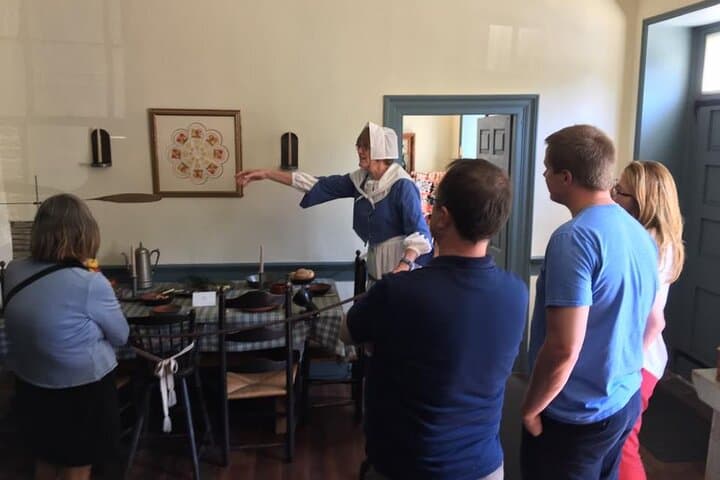


You step off Main Street and into a doorway that still remembers the cadence of 18th‑century life: narrow floorboards, a low hearth, and the quiet geometry of rooms arranged for family, work and faith. The guided tour of the Johannes Mueller House (1792) places visitors in a preserved slice of Lititz, where Moravian practices shaped daily routines and craft traditions.
You step off Main Street and into a doorway that still remembers the cadence of 18th‑century life: narrow floorboards, a low hearth, and the quiet geometry of rooms arranged for family, work and faith. The guided tour of the Johannes Mueller House (1792) places visitors in a preserved slice of Lititz, where Moravian practices shaped daily routines and craft traditions.
Lititz was founded by Moravian settlers in the mid‑1700s; the Mueller House offers a practical window into that culture—how households organized work, worship and childrearing rather than grand architectural statements. The house’s interiors, period furnishings and interpretive displays explain domestic tools, clothing storage, and the social rules that governed a small Moravian community in Lancaster County.
Geologically, you’re in the limestone valleys of southeastern Pennsylvania; the town’s tidy grid and spring-fed park grew where streams eased travel and farming. Locally, pair the visit with Lititz Springs Park and Sturgis Pretzel House for a fuller sense of civic life across centuries.
Practical guidance: tours run about 45 minutes with small groups (often under 10). Ground floor access accommodates wheelchairs but the second floor is not accessible. Mobile or printed tickets are accepted; arrive 10–15 minutes early. Wear comfortable shoes for uneven historic floors, and bring a light jacket—interiors can be cool year‑round. Photography policies vary; ask your guide before shooting. Booking ahead is recommended, especially on weekends and in summer when the town draws day visitors.