THE ADVENTURE COLLECTIVE® · Independent discovery and booking for outdoor travel

Step into a restored 1826 French Quarter house and follow guided stories of enslaved people, Sicilian immigrants, and preservationists. This 50‑minute tour blends architecture and oral history for a compact, powerful look at New Orleans’ past.
Step into a restored 1826 French Quarter house and follow guided stories of enslaved people, Sicilian immigrants, and preservationists. This 50‑minute tour blends architecture and oral history for a compact, powerful look at New Orleans’ past.
Step across a low iron gate and the city changes its tone: the street noise softens, shutters close like attentive listeners, and a 19th-century house holds its breath to tell a story.
Verified experiences and guided adventures in the surrounding area.
Operated by BK Historic House and Gardens · New Orleans, Louisiana
Step across a low iron gate and the city changes its tone: the street noise softens, shutters close like attentive listeners, and a 19th-century house holds its breath to tell a story.
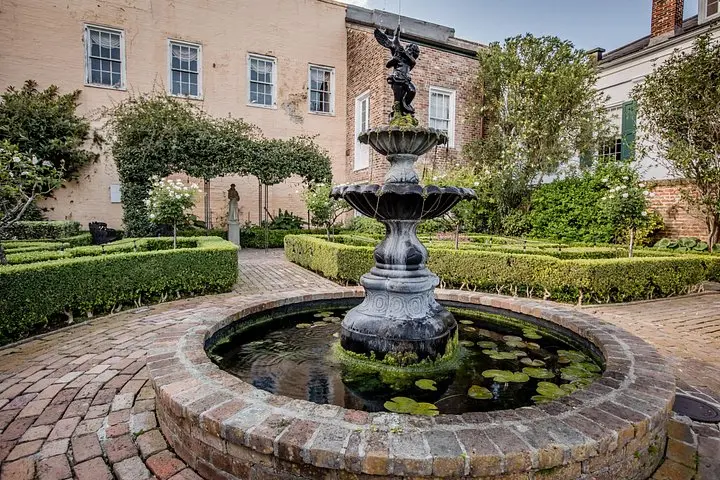
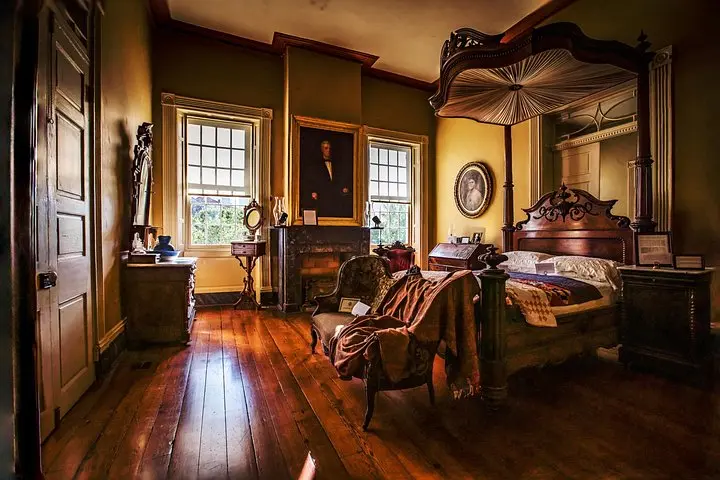
The BK House, built in 1826, is a compact witness to New Orleans’ layered history. On a guided 50‑minute tour you move from formal parlors to a shaded courtyard, hearing accounts of antebellum merchants, the enslaved people who sustained household life, waves of Sicilian immigrants who reshaped neighborhoods, and later preservation efforts that saved fragile architecture from decay.
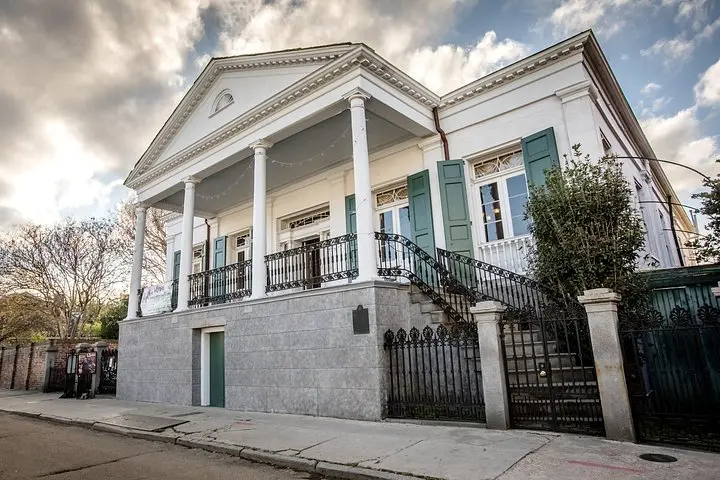
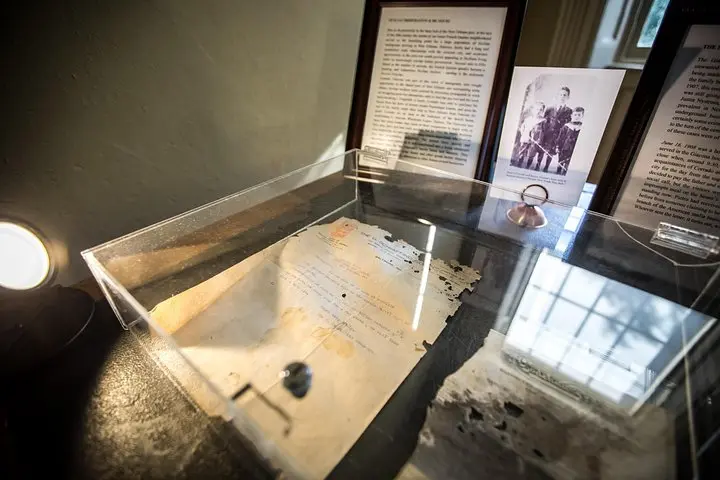
Architecturally, the house reflects French Quarter patterns—thick brick walls, high ceilings, and ironwork that both protects and frames the city. Geology shows up in the raised foundations and brick construction designed for a city that learns to live with water. Culturally, the tour emphasizes lived experience rather than broad strokes: personal objects, repaired plaster, and room layouts reveal class, race, and labor across two centuries.
Practical notes: tours are small-group, air‑conditioned, and last about 50 minutes; booking in advance guarantees entry, especially on weekends and festival days. Arrive 10–15 minutes early to pass through security and check-in, and be prepared for narrow rooms and some low thresholds. Respect photography rules—many historic interiors restrict flash to protect textiles and surfaces.
This is an intimate, contemplative visit—part architectural study, part oral history—that rewards listeners who come ready to read details and listen to the house’s layered voice.
The property notes stroller accessibility for infants, but historic homes often have thresholds and narrow doorways; contact the tour operator in advance to confirm wheelchair access options.
Yes—tours are family-friendly and use stories appropriate for a broad audience, though younger children should be supervised around artifacts and low railings.
Tickets are available online with instant confirmation; full refunds are offered if you cancel at least 24 hours before the tour start time.
Standard tours are in English; inquire with the operator ahead of time about alternate-language options or private tour accommodations.
BK Historic House and Gardens operates guided outdoor trips and adventures with an emphasis on safety, stewardship, and memorable experiences.
Step across a low iron gate and the city changes its tone: the street noise softens, shutters close like attentive listeners, and a 19th-century house holds its breath to tell a story.
Step across a low iron gate and the city changes its tone: the street noise softens, shutters close like attentive listeners, and a 19th-century house holds its breath to tell a story.
The BK House, built in 1826, is a compact witness to New Orleans’ layered history. On a guided 50‑minute tour you move from formal parlors to a shaded courtyard, hearing accounts of antebellum merchants, the enslaved people who sustained household life, waves of Sicilian immigrants who reshaped neighborhoods, and later preservation efforts that saved fragile architecture from decay.
Architecturally, the house reflects French Quarter patterns—thick brick walls, high ceilings, and ironwork that both protects and frames the city. Geology shows up in the raised foundations and brick construction designed for a city that learns to live with water. Culturally, the tour emphasizes lived experience rather than broad strokes: personal objects, repaired plaster, and room layouts reveal class, race, and labor across two centuries.
Practical notes: tours are small-group, air‑conditioned, and last about 50 minutes; booking in advance guarantees entry, especially on weekends and festival days. Arrive 10–15 minutes early to pass through security and check-in, and be prepared for narrow rooms and some low thresholds. Respect photography rules—many historic interiors restrict flash to protect textiles and surfaces.
This is an intimate, contemplative visit—part architectural study, part oral history—that rewards listeners who come ready to read details and listen to the house’s layered voice.