THE ADVENTURE COLLECTIVE® · Independent discovery and booking for outdoor travel

Walk from the Colosseum’s rim down into its shadowed hypogeum, then climb the Palatine for views over the Roman Forum. This two-hour guided tour mixes architectural detail, mythic history and practical tips for navigating Rome’s busiest ruins.
Walk from the Colosseum’s rim down into its shadowed hypogeum, then climb the Palatine for views over the Roman Forum. This two-hour guided tour mixes architectural detail, mythic history and practical tips for navigating Rome’s busiest ruins.
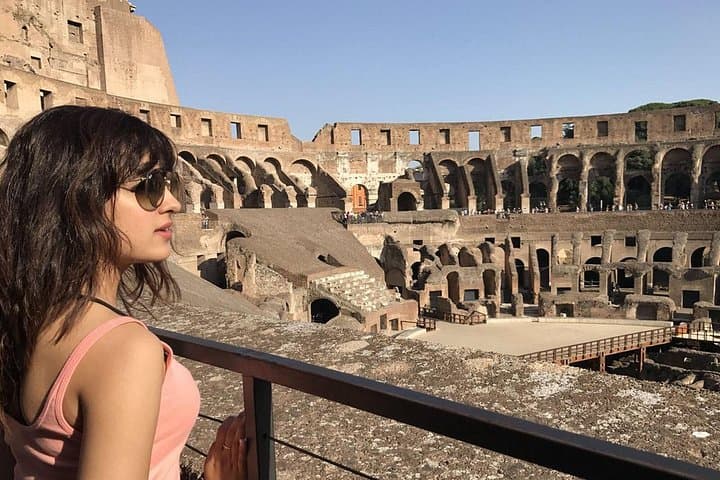
You step onto warm, worn stone with the Colosseum looming above—archways yawning like theatrical wings and the city crowding the horizon beyond.
Verified experiences and guided adventures in the surrounding area.
Operated by ROMA IN TOURS · Rome, Lazio
You step onto warm, worn stone with the Colosseum looming above—archways yawning like theatrical wings and the city crowding the horizon beyond.
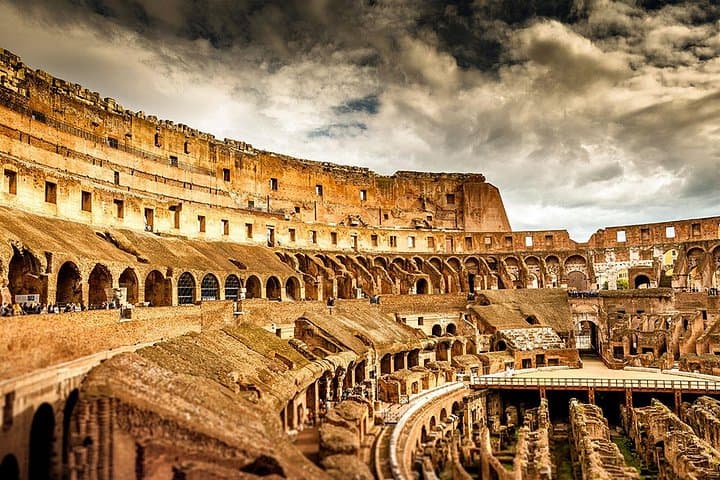
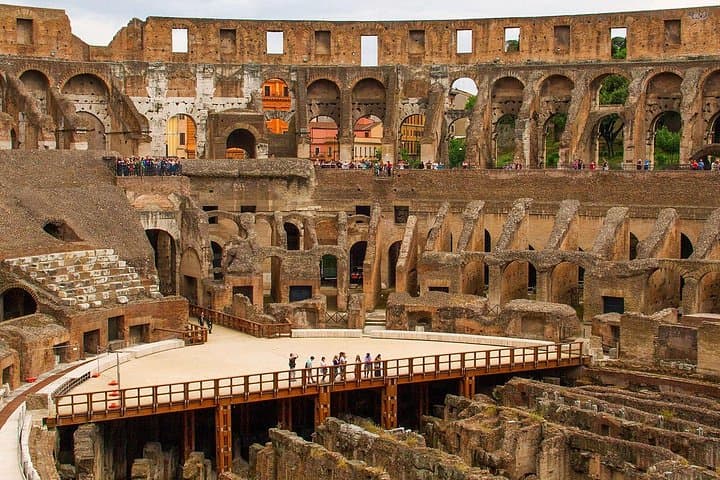
The tour drops you through levels of history: first around the amphitheater’s outer curve, then peering down at the arena floor and the maze-like hypogeum where cages, ramps and pulleys once readied animals and gladiators for the spectacle. From there the route climbs the Palatine, where ruins of imperial palaces catch light and the Roman Forum spreads below, the Via Sacra threading between broken columns and triumphal arches.
Built of travertine, tufa and Roman concrete under Vespasian and completed by Titus in 80 AD, the Colosseum held tens of thousands and engineered dramatic shows through sophisticated staging. The Palatine’s terraces preserve layers of occupation and the city’s foundational myth—Romulus and Remus—while the Forum was the civic and religious heart from the Republic into the Empire.
Practicalities shape the experience: the route covers uneven ancient stone, narrow stairways and open sun-exposed sections. Bring sturdy footwear, a bottle of water, and ID for entry. Early morning or late afternoon departures reduce crowds and heat; guides point out structural repairs, restoration scaffolding, and quieter niches where mosaics or inscriptions remain legible. Expect standing, short walks between points, and limited accessibility into subterranean spaces for some visitors.
This two-hour guided visit balances big-picture history with close-up archaeology—ideal for travelers who want tactile contact with Rome’s past without losing practical advice for navigating its busiest ruins.
Yes; the route is generally gentle but includes steps and uneven stone—strollers are impractical and some older adults may prefer to skip subterranean areas.
Yes; entrance to the Colosseum, Roman Forum and Palatine Hill are included with the tour as described in the booking details.
Photography for personal use is allowed; tripods and commercial equipment may require extra permits or restrictions.
This specific departure is guided in the language listed at booking—confirm your preferred language at purchase and check meeting-time communications.
ROMA IN TOURS operates guided outdoor trips and adventures with an emphasis on safety, stewardship, and memorable experiences.

You step onto warm, worn stone with the Colosseum looming above—archways yawning like theatrical wings and the city crowding the horizon beyond.
You step onto warm, worn stone with the Colosseum looming above—archways yawning like theatrical wings and the city crowding the horizon beyond.
The tour drops you through levels of history: first around the amphitheater’s outer curve, then peering down at the arena floor and the maze-like hypogeum where cages, ramps and pulleys once readied animals and gladiators for the spectacle. From there the route climbs the Palatine, where ruins of imperial palaces catch light and the Roman Forum spreads below, the Via Sacra threading between broken columns and triumphal arches.
Built of travertine, tufa and Roman concrete under Vespasian and completed by Titus in 80 AD, the Colosseum held tens of thousands and engineered dramatic shows through sophisticated staging. The Palatine’s terraces preserve layers of occupation and the city’s foundational myth—Romulus and Remus—while the Forum was the civic and religious heart from the Republic into the Empire.
Practicalities shape the experience: the route covers uneven ancient stone, narrow stairways and open sun-exposed sections. Bring sturdy footwear, a bottle of water, and ID for entry. Early morning or late afternoon departures reduce crowds and heat; guides point out structural repairs, restoration scaffolding, and quieter niches where mosaics or inscriptions remain legible. Expect standing, short walks between points, and limited accessibility into subterranean spaces for some visitors.
This two-hour guided visit balances big-picture history with close-up archaeology—ideal for travelers who want tactile contact with Rome’s past without losing practical advice for navigating its busiest ruins.