THE ADVENTURE COLLECTIVE® · Independent discovery and booking for outdoor travel

Explore Maropeng’s interactive galleries and descend into Sterkfontein’s fossil-rich caves on a guided five-hour tour of the Cradle of Humankind. Learn how dolomite chambers preserved pivotal hominin remains while practical tips prepare you for cave passages and outdoor exhibits.
Explore Maropeng’s interactive galleries and descend into Sterkfontein’s fossil-rich caves on a guided five-hour tour of the Cradle of Humankind. Learn how dolomite chambers preserved pivotal hominin remains while practical tips prepare you for cave passages and outdoor exhibits.
You step off the air-conditioned van into a sunlit ridge of dolomite, the ground underfoot whispering of million-year stories. The Maropeng museum draws you with interactive galleries that map our long, strange ancestry; a short drive away, the Sterkfontein caves open into cooler shafts where limestone holds bones like locked pages.
Verified experiences and guided adventures in the surrounding area.
Operated by Zeb Tours and Transfers · Muldersdrift, Gauteng
You step off the air-conditioned van into a sunlit ridge of dolomite, the ground underfoot whispering of million-year stories. The Maropeng museum draws you with interactive galleries that map our long, strange ancestry; a short drive away, the Sterkfontein caves open into cooler shafts where limestone holds bones like locked pages.
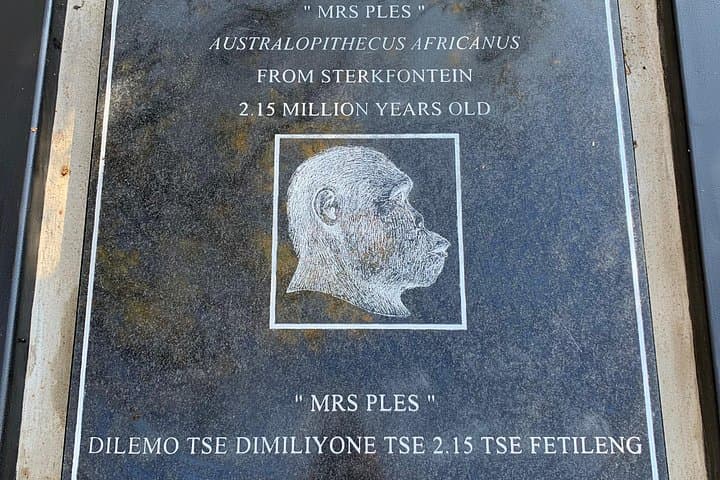
The Cradle of Humankind is a UNESCO World Heritage Site—an active paleontological landscape where fossils such as "Mrs. Ples" and "Little Foot" reshaped ideas about human origins. Geologically, these caves formed in dolomite and are carved by ancient groundwater; their chambers preserve bone and sediment in layers dating back millions of years. Culturally the sites bridge academic research, local museums, and community outreach—guides often weave scientific detail with local context.
Expect a mix of polished displays and raw fieldwork: Maropeng’s hands-on exhibits explain evolution with timelines and touchscreens, while Sterkfontein’s guided cave walk takes you past excavation pits, preparation labs, and narrow passages. The air in the cave is cool, the dolomite walls seem to keep their own watch; the landscape outside—short grasslands and rocky koppies—frames the experience.
Practical guide: tours run about five hours including transfers; wear sturdy shoes and a light jacket for chilly cave interiors, bring water (some tours supply bottled water) and a camera (no tripods inside dug chambers). Mobility is generally accessible but some underground sections require steps and low ceilings—ask about wheelchair accommodations when booking. Go early in the day to avoid crowds and absorb both the exhibits and the in-field science.
Typical tours run about five hours including hotel pickup, transit between Maropeng and Sterkfontein, and guided visits to exhibits and cave areas.
Children can usually join; however, some cave sections have steps and low ceilings—contact the operator about wheelchair-accessible routes and child-friendly options.
Photography rules vary; casual photos are often permitted in open areas but flash, tripods, and access to excavation labs may be restricted—confirm on arrival.
In many packaged tours transport and guide fees are included; confirm whether site admissions to Maropeng and Sterkfontein are covered when booking.
Zeb Tours and Transfers operates guided outdoor trips and adventures with an emphasis on safety, stewardship, and memorable experiences.


You step off the air-conditioned van into a sunlit ridge of dolomite, the ground underfoot whispering of million-year stories. The Maropeng museum draws you with interactive galleries that map our long, strange ancestry; a short drive away, the Sterkfontein caves open into cooler shafts where limestone holds bones like locked pages.
You step off the air-conditioned van into a sunlit ridge of dolomite, the ground underfoot whispering of million-year stories. The Maropeng museum draws you with interactive galleries that map our long, strange ancestry; a short drive away, the Sterkfontein caves open into cooler shafts where limestone holds bones like locked pages.
The Cradle of Humankind is a UNESCO World Heritage Site—an active paleontological landscape where fossils such as "Mrs. Ples" and "Little Foot" reshaped ideas about human origins. Geologically, these caves formed in dolomite and are carved by ancient groundwater; their chambers preserve bone and sediment in layers dating back millions of years. Culturally the sites bridge academic research, local museums, and community outreach—guides often weave scientific detail with local context.
Expect a mix of polished displays and raw fieldwork: Maropeng’s hands-on exhibits explain evolution with timelines and touchscreens, while Sterkfontein’s guided cave walk takes you past excavation pits, preparation labs, and narrow passages. The air in the cave is cool, the dolomite walls seem to keep their own watch; the landscape outside—short grasslands and rocky koppies—frames the experience.
Practical guide: tours run about five hours including transfers; wear sturdy shoes and a light jacket for chilly cave interiors, bring water (some tours supply bottled water) and a camera (no tripods inside dug chambers). Mobility is generally accessible but some underground sections require steps and low ceilings—ask about wheelchair accommodations when booking. Go early in the day to avoid crowds and absorb both the exhibits and the in-field science.