THE ADVENTURE COLLECTIVE® · Independent discovery and booking for outdoor travel

A structured, full‑day excursion from Seoul that pairs gripping Cold War history with rare border views. Visit Imjingak, walk the 3rd Infiltration Tunnel, and peer into North Korea from Dora Observatory—options include two dramatic suspension bridges.
A structured, full‑day excursion from Seoul that pairs gripping Cold War history with rare border views. Visit Imjingak, walk the 3rd Infiltration Tunnel, and peer into North Korea from Dora Observatory—options include two dramatic suspension bridges.
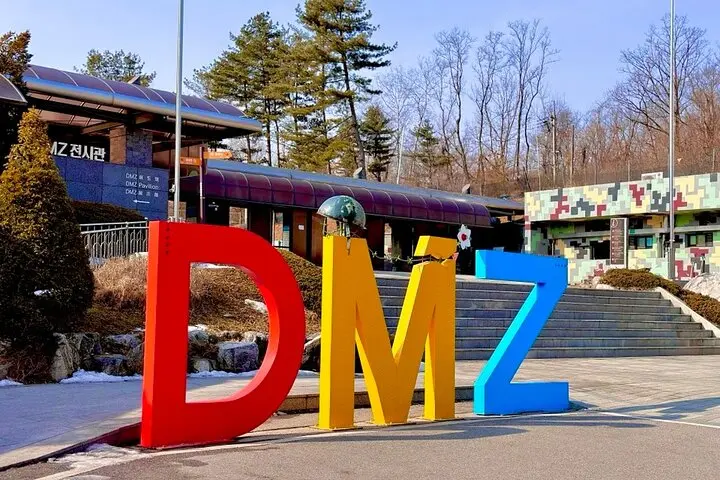
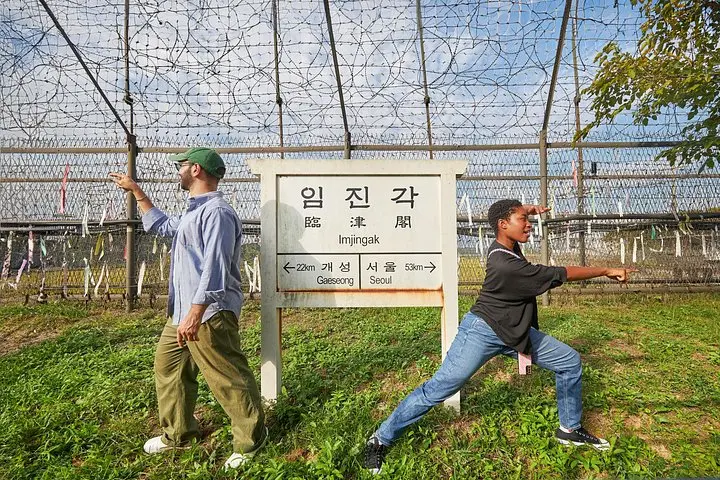
You step onto the coach before dawn and Seoul thins behind you, replaced by rice paddies and neat farm roads that lead toward the border. Fingers of fog lift off reservoirs as the bus threads past Imjingak’s concrete memorials; the Iron Horse train sits silent, its steel mouth frozen where rails once ran north.
Verified experiences and guided adventures in the surrounding area.
Operated by VIP TRAVEL Co.Ltd · Paju, Gyeonggi-do
You step onto the coach before dawn and Seoul thins behind you, replaced by rice paddies and neat farm roads that lead toward the border. Fingers of fog lift off reservoirs as the bus threads past Imjingak’s concrete memorials; the Iron Horse train sits silent, its steel mouth frozen where rails once ran north.
The tour grounds you immediately in history: the Korean War’s armistice left a 4-kilometer-wide buffer that still divides a peninsula. Geologically, the route follows river valleys cut into low hills—Seolmari Valley opens up at Gamaksan, where wind drafts through a suspension bridge towerless by design. Culturally, guides translate not just facts but the quiet human stories—prisoner repatriations at the Bridge of Freedom (12,773 crossed in 1953) and villagers on both sides who have known separation for generations.
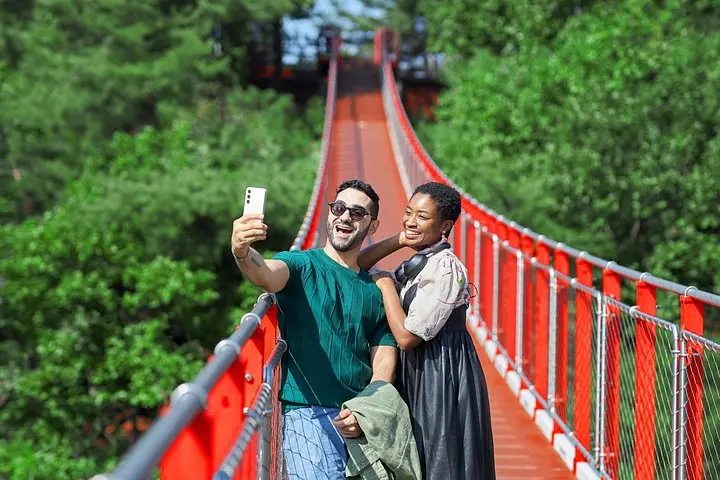
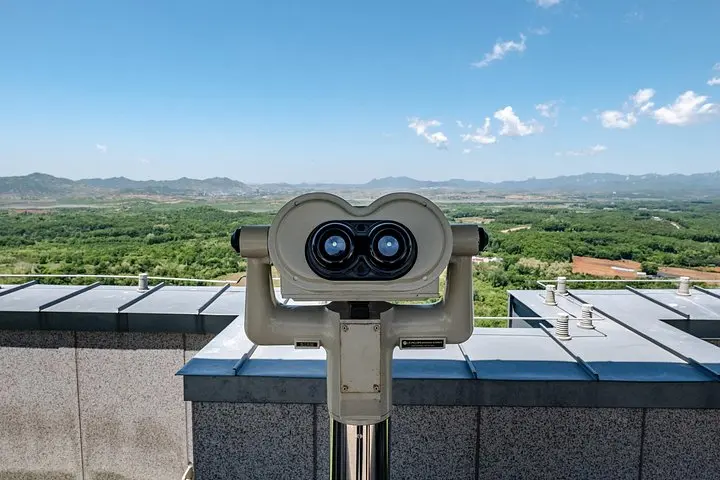
Expect structured stops: Imjingak Pyeonghwa‑Nuri Park, the 3rd Infiltration Tunnel (1,635 m long), Dora Observatory with high‑powered binoculars for scanning Kijong‑dong, and optional suspension bridges — Gamaksan (~150 m) or Majang Lake (~220 m). The day runs about 7–8 hours with hotel or subway pickup in Seoul; passports (or proper ID) and security checks are mandatory and military timing can alter the route.
Practical tip: this is physically easy but involves uneven tunnel walkways and stairs—bring layered clothing, sturdy shoes, water, and patience for checkpoints. Photography rules vary; follow your guide. The DMZ tour is an encounter with living history and restrained landscape, where every view feels both fragile and fiercely watched.
Yes—passports are required for all visitors at DMZ checkpoints; in some cases a Military ID or ARC can substitute, but carry your passport to be safe.
The 3rd Infiltration Tunnel measures about 1,635 meters in total, though the accessible tour portion involves a steep descent and a few hundred meters of walking on formed paths and stairs.
Photography is allowed at most public areas like Imjingak and Dora Observatory, but you must follow guide instructions and respect restricted zones where cameras are prohibited.
The overall tour is rated easy, but the tunnel includes uneven surfaces and stairs; those with limited mobility should notify the operator and may need to skip the tunnel visit.
VIP TRAVEL Co.Ltd operates guided outdoor trips and adventures with an emphasis on safety, stewardship, and memorable experiences.
You step onto the coach before dawn and Seoul thins behind you, replaced by rice paddies and neat farm roads that lead toward the border. Fingers of fog lift off reservoirs as the bus threads past Imjingak’s concrete memorials; the Iron Horse train sits silent, its steel mouth frozen where rails once ran north.
You step onto the coach before dawn and Seoul thins behind you, replaced by rice paddies and neat farm roads that lead toward the border. Fingers of fog lift off reservoirs as the bus threads past Imjingak’s concrete memorials; the Iron Horse train sits silent, its steel mouth frozen where rails once ran north.
The tour grounds you immediately in history: the Korean War’s armistice left a 4-kilometer-wide buffer that still divides a peninsula. Geologically, the route follows river valleys cut into low hills—Seolmari Valley opens up at Gamaksan, where wind drafts through a suspension bridge towerless by design. Culturally, guides translate not just facts but the quiet human stories—prisoner repatriations at the Bridge of Freedom (12,773 crossed in 1953) and villagers on both sides who have known separation for generations.
Expect structured stops: Imjingak Pyeonghwa‑Nuri Park, the 3rd Infiltration Tunnel (1,635 m long), Dora Observatory with high‑powered binoculars for scanning Kijong‑dong, and optional suspension bridges — Gamaksan (~150 m) or Majang Lake (~220 m). The day runs about 7–8 hours with hotel or subway pickup in Seoul; passports (or proper ID) and security checks are mandatory and military timing can alter the route.
Practical tip: this is physically easy but involves uneven tunnel walkways and stairs—bring layered clothing, sturdy shoes, water, and patience for checkpoints. Photography rules vary; follow your guide. The DMZ tour is an encounter with living history and restrained landscape, where every view feels both fragile and fiercely watched.