THE ADVENTURE COLLECTIVE® · Independent discovery and booking for outdoor travel

A full-day guided tour through the Korean Demilitarized Zone visiting Imjingak, the 3rd Tunnel, Dora Observatory and Dorasan Station. Expect ID checks, limited photography in some areas, and a 6–7 hour itinerary that blends military history with striking borderland views.
A full-day guided tour through the Korean Demilitarized Zone visiting Imjingak, the 3rd Tunnel, Dora Observatory and Dorasan Station. Expect ID checks, limited photography in some areas, and a 6–7 hour itinerary that blends military history with striking borderland views.
You step off an air-conditioned shuttle as the city’s noise thins and the Imjin River dares you to look across a border that has held its breath for decades.
Verified experiences and guided adventures in the surrounding area.
Operated by 리모투어 · Paju, Gyeonggi-do
You step off an air-conditioned shuttle as the city’s noise thins and the Imjin River dares you to look across a border that has held its breath for decades.
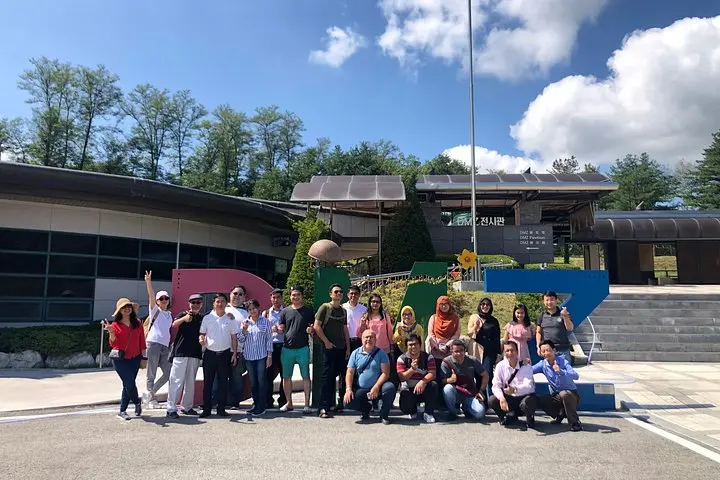
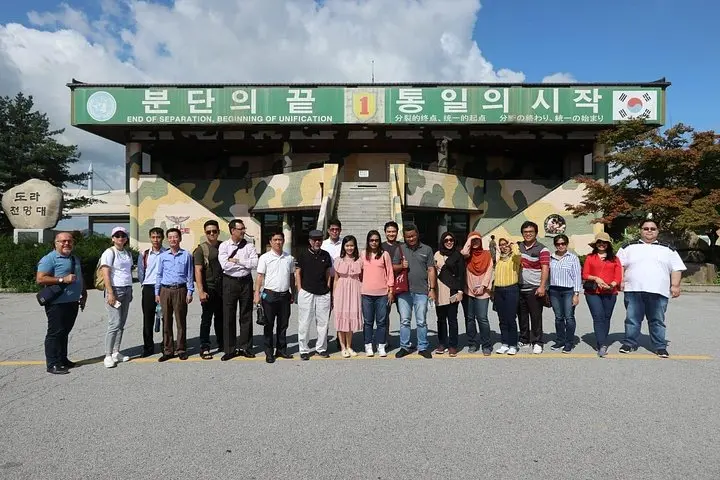
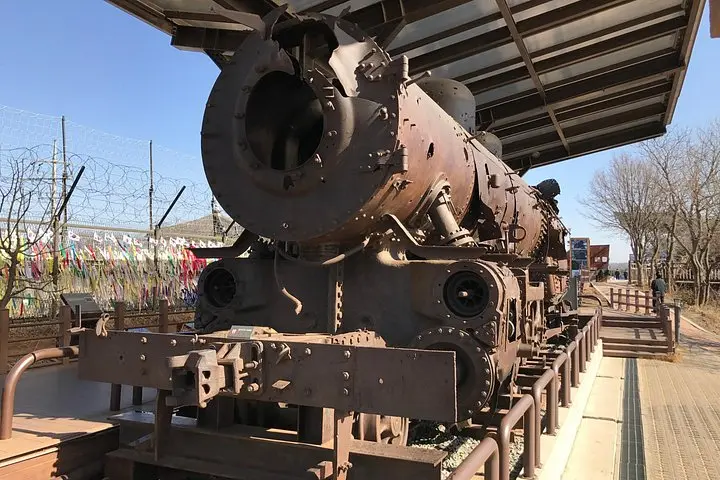
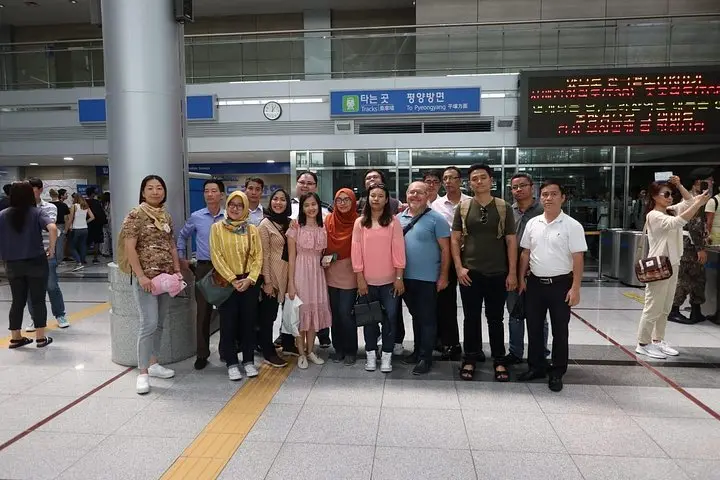
This full-day DMZ tour moves through hard-edged history and quiet frontier landscape: Imjingak’s Peace Park and Freedom Bridge, the claustrophobic cut of the 3rd Tunnel discovered beneath the hills, Dora Observatory’s binocular-lined terrace facing North Korea, and the symbolic rails at Dorasan Station—55.8 km from Seoul. Visitors learn how the Korean Peninsula was split after 1950 and how the 1953 armistice created a 4-km-wide buffer that is now both a geopolitical fault line and an accidental refuge for wildlife.
The terrain is low hills, river valley and reclaimed farmland; many exhibits and observation points sit on paved access with short walking segments and staircases. The 3rd Tunnel requires a brief, guarded descent in a narrow, dim passage—phones are stored and photography is restricted.
Practical guide: expect ID checks and metal detectors, bring your passport or photo ID, wear comfortable shoes and a wind layer, and allow roughly 6–7 hours for the round trip from Seoul. Morning departures reduce crowds at observation points; audio and English-speaking guides explain military context, rail history, and local civilian stories of separation and hope.
Follow security instructions closely, keep to marked areas and quiet tones at observation points—this is as much a lesson in modern history as it is a landscape visit.
Yes—bring the same passport or government photo ID used at booking because checkpoints verify identities before entering the Civilian Control Line.
No photography is allowed inside the tunnel; some observation points have restricted zones—follow your guide’s instructions and use provided lockers if required.
Yes. The itinerary is rated easy with only short walks and stairs; however, the tunnel descent may be uncomfortable for very small children or those with mobility restrictions.
This listing includes a VIP English-speaking military-tour guide and air-conditioned shuttle transportation between sites.
리모투어 operates guided outdoor trips and adventures with an emphasis on safety, stewardship, and memorable experiences.
You step off an air-conditioned shuttle as the city’s noise thins and the Imjin River dares you to look across a border that has held its breath for decades.
You step off an air-conditioned shuttle as the city’s noise thins and the Imjin River dares you to look across a border that has held its breath for decades.
This full-day DMZ tour moves through hard-edged history and quiet frontier landscape: Imjingak’s Peace Park and Freedom Bridge, the claustrophobic cut of the 3rd Tunnel discovered beneath the hills, Dora Observatory’s binocular-lined terrace facing North Korea, and the symbolic rails at Dorasan Station—55.8 km from Seoul. Visitors learn how the Korean Peninsula was split after 1950 and how the 1953 armistice created a 4-km-wide buffer that is now both a geopolitical fault line and an accidental refuge for wildlife.
The terrain is low hills, river valley and reclaimed farmland; many exhibits and observation points sit on paved access with short walking segments and staircases. The 3rd Tunnel requires a brief, guarded descent in a narrow, dim passage—phones are stored and photography is restricted.
Practical guide: expect ID checks and metal detectors, bring your passport or photo ID, wear comfortable shoes and a wind layer, and allow roughly 6–7 hours for the round trip from Seoul. Morning departures reduce crowds at observation points; audio and English-speaking guides explain military context, rail history, and local civilian stories of separation and hope.
Follow security instructions closely, keep to marked areas and quiet tones at observation points—this is as much a lesson in modern history as it is a landscape visit.