THE ADVENTURE COLLECTIVE® · Independent discovery and booking for outdoor travel

A focused half-day coach tour from Seoul to the DMZ visits Imjingak Park, the 3rd Infiltration Tunnel, Dora Observatory and the DMZ exhibition hall, offering a close, guided look at Korea’s division and everyday life across the border. Practical guidance covers timing, passport rules and what to expect at each stop.
A focused half-day coach tour from Seoul to the DMZ visits Imjingak Park, the 3rd Infiltration Tunnel, Dora Observatory and the DMZ exhibition hall, offering a close, guided look at Korea’s division and everyday life across the border. Practical guidance covers timing, passport rules and what to expect at each stop.
Morning light slices across the low hills north of Seoul as the coach threads past rice fields and military checkpoints, dropping visitors at Imjingak Park where rusted artillery and Freedom Bridge hold quiet reminders of the peninsula’s division. The group moves with a guide who clarifies the signage, points out concrete bunkers and the narrow rail line that once linked families across a border now sealed by barbed wire.
Verified experiences and guided adventures in the surrounding area.
Operated by SEOUL CITY TOUR CO. LTD. · Seoul, Seoul
Morning light slices across the low hills north of Seoul as the coach threads past rice fields and military checkpoints, dropping visitors at Imjingak Park where rusted artillery and Freedom Bridge hold quiet reminders of the peninsula’s division. The group moves with a guide who clarifies the signage, points out concrete bunkers and the narrow rail line that once linked families across a border now sealed by barbed wire.
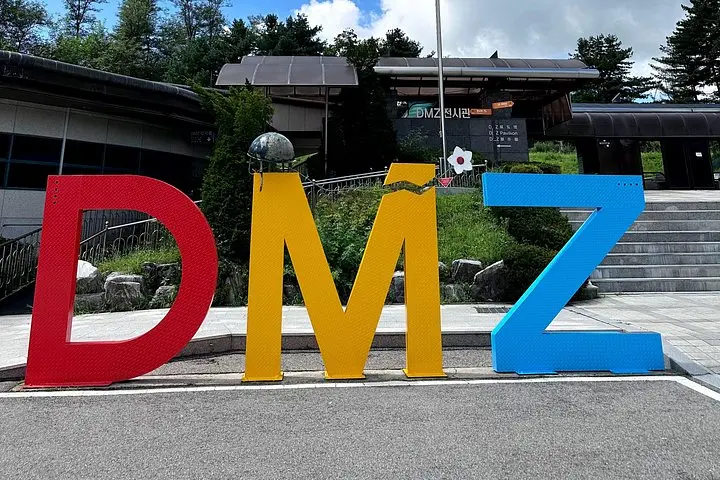
This half-day route stitches together Cold War history and contemporary geopolitics: Imjingak’s memorials, the DMZ Exhibition Hall’s photographs, the 3rd Infiltration Tunnel bored under the Military Demarcation Line, and Dora Observatory where binoculars frame the false village and fields of North Korea. Geologically, the low plateau here is composed of Cenozoic sediments—soft enough that tunneling during the 1970s was feasible—and the Imjin River shapes the floodplain below.
Culturally, the tour foregrounds division and reunification hopes; local narratives in Unification Village emphasize farming crafts such as soy sauce and soybean milk. Guides often include defector testimony or curated exhibits, grounding the visit in personal experience.
Practical guidance: allow 6–7 hours for pickup from central Seoul, bring a passport (required), and wear comfortable shoes—the 3rd Tunnel descent is steep and narrow. Photography rules vary by stop; follow the guide. Expect a mix of short walks and standing at viewpoints, with long coach transfers between sites. Hydrate, dress in layers for wind on observatory terraces, and plan the visit early in a multi-day Seoul itinerary to balance history with city time.
Yes. A current valid passport is required on the day of travel for security and checkpoint procedures.
Yes; infants may ride in strollers and small children should sit on an adult’s lap when required, but note the steep tunnel and some restricted areas.
No. Photography policies vary by site and may be restricted at military-sensitive locations—follow your guide’s instructions.
If parts of the itinerary are canceled for security reasons, the operator may offer an alternative related activity; refunds depend on timing and the operator’s policy.
SEOUL CITY TOUR CO. LTD. operates guided outdoor trips and adventures with an emphasis on safety, stewardship, and memorable experiences.
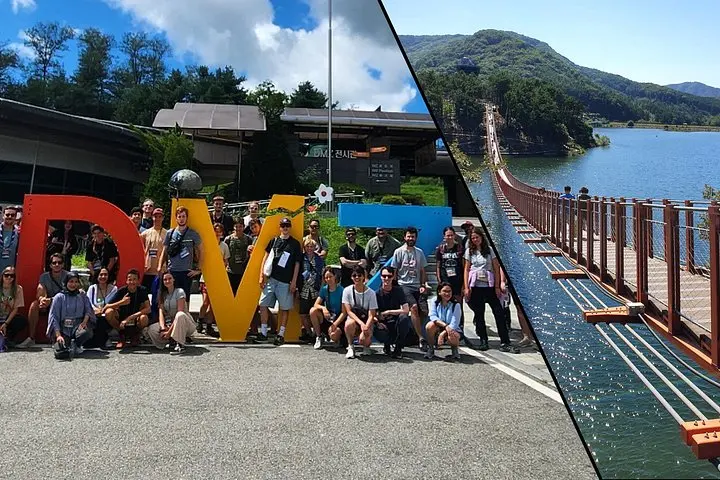
Morning light slices across the low hills north of Seoul as the coach threads past rice fields and military checkpoints, dropping visitors at Imjingak Park where rusted artillery and Freedom Bridge hold quiet reminders of the peninsula’s division. The group moves with a guide who clarifies the signage, points out concrete bunkers and the narrow rail line that once linked families across a border now sealed by barbed wire.
Morning light slices across the low hills north of Seoul as the coach threads past rice fields and military checkpoints, dropping visitors at Imjingak Park where rusted artillery and Freedom Bridge hold quiet reminders of the peninsula’s division. The group moves with a guide who clarifies the signage, points out concrete bunkers and the narrow rail line that once linked families across a border now sealed by barbed wire.
This half-day route stitches together Cold War history and contemporary geopolitics: Imjingak’s memorials, the DMZ Exhibition Hall’s photographs, the 3rd Infiltration Tunnel bored under the Military Demarcation Line, and Dora Observatory where binoculars frame the false village and fields of North Korea. Geologically, the low plateau here is composed of Cenozoic sediments—soft enough that tunneling during the 1970s was feasible—and the Imjin River shapes the floodplain below.
Culturally, the tour foregrounds division and reunification hopes; local narratives in Unification Village emphasize farming crafts such as soy sauce and soybean milk. Guides often include defector testimony or curated exhibits, grounding the visit in personal experience.
Practical guidance: allow 6–7 hours for pickup from central Seoul, bring a passport (required), and wear comfortable shoes—the 3rd Tunnel descent is steep and narrow. Photography rules vary by stop; follow the guide. Expect a mix of short walks and standing at viewpoints, with long coach transfers between sites. Hydrate, dress in layers for wind on observatory terraces, and plan the visit early in a multi-day Seoul itinerary to balance history with city time.