THE ADVENTURE COLLECTIVE® · Independent discovery and booking for outdoor travel

Enter the Great Pyramid, circle the Sphinx, and ride a camel across the Giza plateau on a compact 3–4 hour VIP tour. Practical tips on timing, what to expect inside the pyramid, and how to stay comfortable in desert sun.
Enter the Great Pyramid, circle the Sphinx, and ride a camel across the Giza plateau on a compact 3–4 hour VIP tour. Practical tips on timing, what to expect inside the pyramid, and how to stay comfortable in desert sun.
You step onto the Giza plateau with heat on your shoulders and wind-swept sand underfoot; the Great Pyramid rises like a geometric mountain, its angles cutting the blue Cairo sky while the Sphinx watches with stony patience. A guide leads you through the bustle—vendors, guides, and camel handlers—toward the low, cool entrance that grants access into the Pyramid of Cheops.
Verified experiences and guided adventures in the surrounding area.
Operated by Desert Storm Egypt Tours · Giza, Cairo Governorate
You step onto the Giza plateau with heat on your shoulders and wind-swept sand underfoot; the Great Pyramid rises like a geometric mountain, its angles cutting the blue Cairo sky while the Sphinx watches with stony patience. A guide leads you through the bustle—vendors, guides, and camel handlers—toward the low, cool entrance that grants access into the Pyramid of Cheops.
The plateau records more than 4,500 years of human ambition. Built in the Fourth Dynasty, the Great Pyramid’s core of limestone blocks and surviving casing fragments reveal both ancient engineering and the geological story of the Nile’s Pleistocene terraces underfoot. Nearby, the Valley Temple’s dressed stone and the Sphinx’s weathered limestone show different chapters of craft and ritual.
Local culture threads the visit: Bedouin camel riders offer photo frames of the panorama, while guides translate archaeological detail into lived history. The camel ride to the panoramic spot adds kinetic contrast—animals testing your balance as the plateau opens around you.
Practical essentials: the half-day tour runs roughly 3–4 hours, typically with hotel pickup in an air-conditioned vehicle. Going inside the Great Pyramid requires bending through a narrow, steep passage and moderate claustrophobia tolerance; wear closed shoes, bring at least 1–2 liters of water, sun protection, and small bills for tips. Expect uneven stone underfoot at the Valley Temple and limited shade. Timing matters—early morning or late afternoon reduces heat and crowds and improves light for photos. With basic prep, this blend of archaeology and desert motion delivers a compact, immersive encounter with one of the world’s oldest monuments.
Yes—this tour includes entry into the Great Pyramid of Khufu, but expect a low, steep passage and a confined interior chamber; it’s not recommended for those with significant claustrophobia or spinal issues.
The tour includes entry fees to the Great Pyramid and Giza site plus hotel transfers by air-conditioned vehicle, with pickup and drop-off arranged by the operator.
Camel rides are short and guided across the plateau; riders should be able to mount with assistance and follow handler instructions—children and those with mobility concerns should exercise caution.
Lightweight, modest clothing that covers shoulders and knees is culturally appropriate; closed shoes and a hat are strongly recommended for comfort and safety.
Desert Storm Egypt Tours operates guided outdoor trips and adventures with an emphasis on safety, stewardship, and memorable experiences.


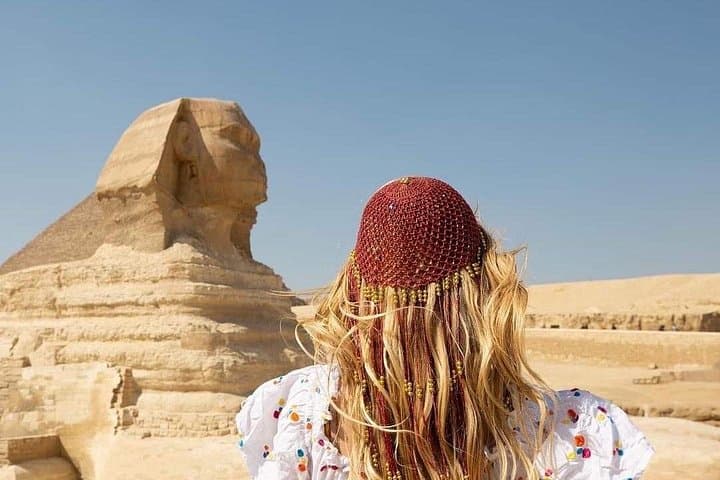
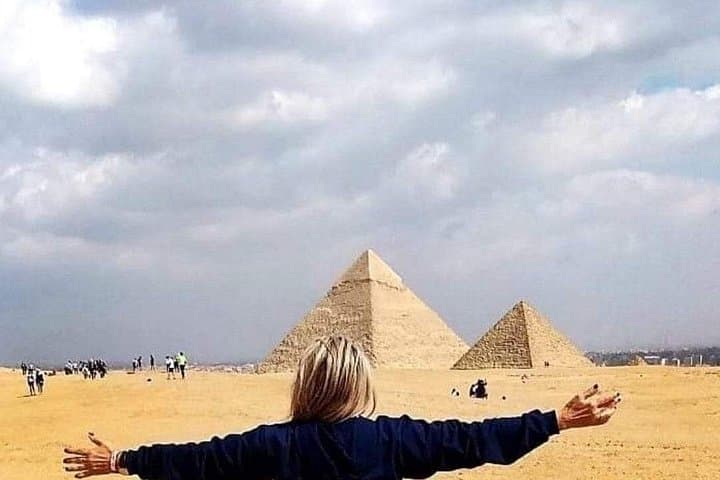
You step onto the Giza plateau with heat on your shoulders and wind-swept sand underfoot; the Great Pyramid rises like a geometric mountain, its angles cutting the blue Cairo sky while the Sphinx watches with stony patience. A guide leads you through the bustle—vendors, guides, and camel handlers—toward the low, cool entrance that grants access into the Pyramid of Cheops.
You step onto the Giza plateau with heat on your shoulders and wind-swept sand underfoot; the Great Pyramid rises like a geometric mountain, its angles cutting the blue Cairo sky while the Sphinx watches with stony patience. A guide leads you through the bustle—vendors, guides, and camel handlers—toward the low, cool entrance that grants access into the Pyramid of Cheops.
The plateau records more than 4,500 years of human ambition. Built in the Fourth Dynasty, the Great Pyramid’s core of limestone blocks and surviving casing fragments reveal both ancient engineering and the geological story of the Nile’s Pleistocene terraces underfoot. Nearby, the Valley Temple’s dressed stone and the Sphinx’s weathered limestone show different chapters of craft and ritual.
Local culture threads the visit: Bedouin camel riders offer photo frames of the panorama, while guides translate archaeological detail into lived history. The camel ride to the panoramic spot adds kinetic contrast—animals testing your balance as the plateau opens around you.
Practical essentials: the half-day tour runs roughly 3–4 hours, typically with hotel pickup in an air-conditioned vehicle. Going inside the Great Pyramid requires bending through a narrow, steep passage and moderate claustrophobia tolerance; wear closed shoes, bring at least 1–2 liters of water, sun protection, and small bills for tips. Expect uneven stone underfoot at the Valley Temple and limited shade. Timing matters—early morning or late afternoon reduces heat and crowds and improves light for photos. With basic prep, this blend of archaeology and desert motion delivers a compact, immersive encounter with one of the world’s oldest monuments.