THE ADVENTURE COLLECTIVE® · Independent discovery and booking for outdoor travel

A one-hour, private escape room that pits your group against a non-linear web of puzzles and hidden mechanisms. Ideal for teams of 4–8, the experience emphasizes communication, pattern recognition and creative problem-solving.
A one-hour, private escape room that pits your group against a non-linear web of puzzles and hidden mechanisms. Ideal for teams of 4–8, the experience emphasizes communication, pattern recognition and creative problem-solving.
You step through a steel door and the lights drop; the room exhales a cue. The Lair of The Puzzlemaster throws you into a staged crime scene where clocks click like rivaling hearts and locked drawers seem to hide their own plans. Puzzles crowd the space — some obvious, some coy — and the lair responds to conversation as much as to clever hands.
Verified experiences and guided adventures in the surrounding area.
Operated by Trapped! Escape Room · Los Angeles, California
You step through a steel door and the lights drop; the room exhales a cue. The Lair of The Puzzlemaster throws you into a staged crime scene where clocks click like rivaling hearts and locked drawers seem to hide their own plans. Puzzles crowd the space — some obvious, some coy — and the lair responds to conversation as much as to clever hands.
Escape rooms trace their roots to Japanese point-and-click puzzle games of the early 2000s and grew into immersive experiences across North America. In Los Angeles, immersive entertainment blends filmcraft with live performance; here the set design borrows that language, using props, soundscapes and non-linear puzzle flow to keep groups moving on multiple fronts instead of a single straight line.
Expect a 60-minute sprint that favors communication over physicality: cryptic codes, pattern recognition, and cooperative mechanisms that require passing information across teammates. The room accommodates a range of ages and mobility needs; staff typically brief teams on accessibility and safety before play. Because the game is private, groups of 4–8 gain the best balance of voices and hands.
Practical guidance: arrive 15 minutes early to check in, bring a charged phone for navigation and emergency contact, and leave bulky bags in the lobby. Wear comfortable, quiet shoes and keep voices clear — the game rewards listening. If you get stuck, game masters offer timed nudges to keep momentum without spoiling the reveal. Finish with the complimentary group photo; it’s the modern trophy for outsmarting an elaborate set of mechanical mischief-makers.
Groups of 4–8 are recommended for the best balance of collaboration and access to multiple puzzle stations.
Yes. The venue lists wheelchair accessibility — contact the operator ahead of time to discuss any specific mobility needs.
Children can participate but effectiveness depends on age and reading/comprehension skills; adults should assess whether younger players will engage with complex clues.
Full refunds are available if you cancel at least 24 hours before the scheduled start time; within 24 hours bookings are non-refundable.
Trapped! Escape Room operates guided outdoor trips and adventures with an emphasis on safety, stewardship, and memorable experiences.
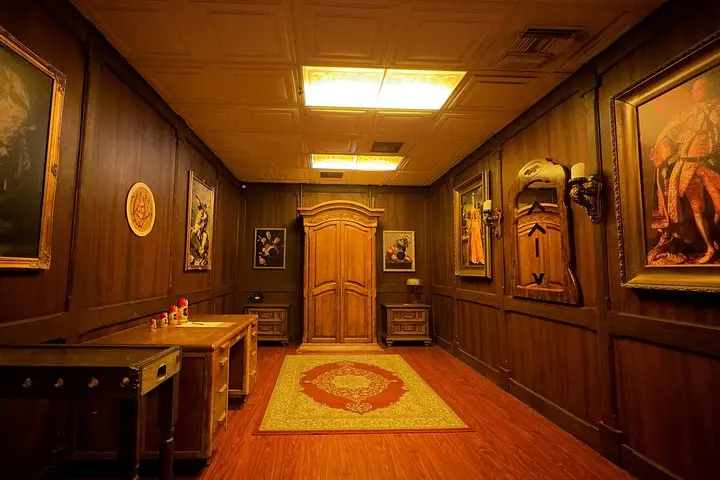
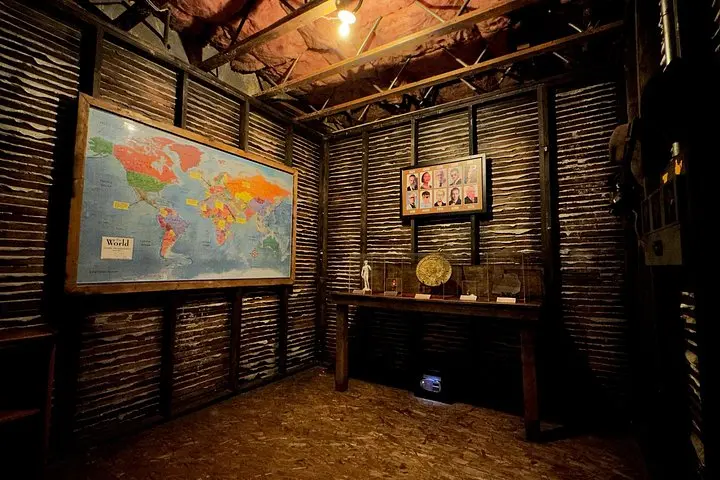

You step through a steel door and the lights drop; the room exhales a cue. The Lair of The Puzzlemaster throws you into a staged crime scene where clocks click like rivaling hearts and locked drawers seem to hide their own plans. Puzzles crowd the space — some obvious, some coy — and the lair responds to conversation as much as to clever hands.
You step through a steel door and the lights drop; the room exhales a cue. The Lair of The Puzzlemaster throws you into a staged crime scene where clocks click like rivaling hearts and locked drawers seem to hide their own plans. Puzzles crowd the space — some obvious, some coy — and the lair responds to conversation as much as to clever hands.
Escape rooms trace their roots to Japanese point-and-click puzzle games of the early 2000s and grew into immersive experiences across North America. In Los Angeles, immersive entertainment blends filmcraft with live performance; here the set design borrows that language, using props, soundscapes and non-linear puzzle flow to keep groups moving on multiple fronts instead of a single straight line.
Expect a 60-minute sprint that favors communication over physicality: cryptic codes, pattern recognition, and cooperative mechanisms that require passing information across teammates. The room accommodates a range of ages and mobility needs; staff typically brief teams on accessibility and safety before play. Because the game is private, groups of 4–8 gain the best balance of voices and hands.
Practical guidance: arrive 15 minutes early to check in, bring a charged phone for navigation and emergency contact, and leave bulky bags in the lobby. Wear comfortable, quiet shoes and keep voices clear — the game rewards listening. If you get stuck, game masters offer timed nudges to keep momentum without spoiling the reveal. Finish with the complimentary group photo; it’s the modern trophy for outsmarting an elaborate set of mechanical mischief-makers.