THE ADVENTURE COLLECTIVE® · Independent discovery and booking for outdoor travel

Explore 5,000 years of art at The Met with a guided small-group tour or a self-guided orientation. This practical guide outlines what to expect, how to plan your visit, and where to find quieter corners of the museum.
Explore 5,000 years of art at The Met with a guided small-group tour or a self-guided orientation. This practical guide outlines what to expect, how to plan your visit, and where to find quieter corners of the museum.
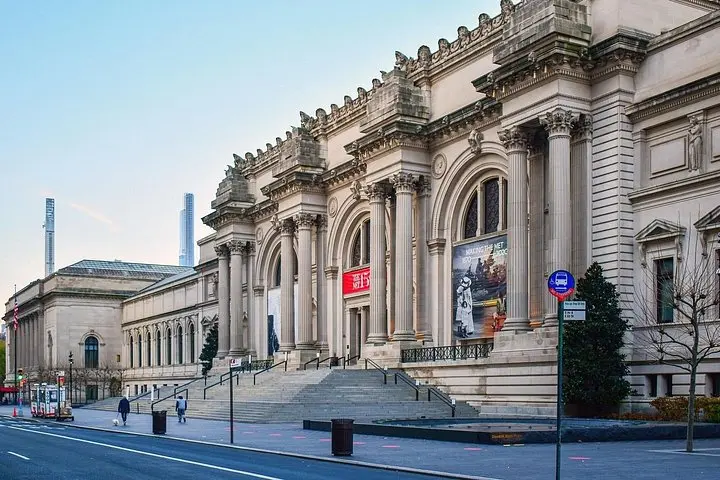
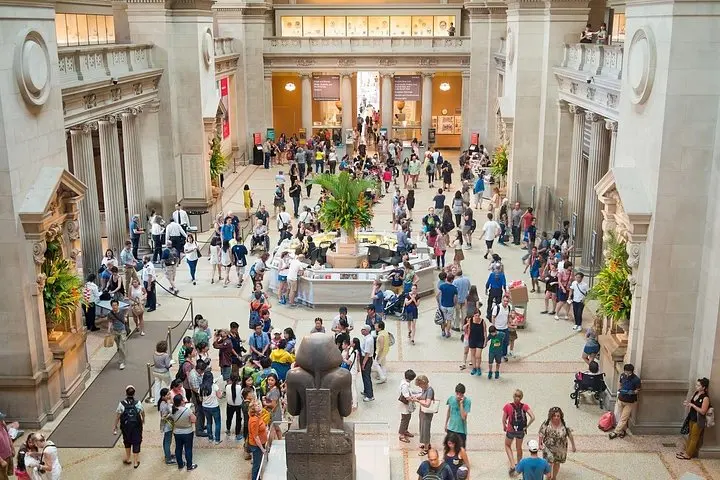
You step up the broad stone steps on Fifth Avenue and the Great Hall opens like a city-sized room—light skimming marble, footsteps softened by thick carpets, and galleries radiating off like streets on a map. An orientation—guided or self-directed—sets a pace: two hours to sample masterpieces, or the whole day if you let the building decide your route.
Verified experiences and guided adventures in the surrounding area.
Operated by Attractions4us LLC · New York, New York
You step up the broad stone steps on Fifth Avenue and the Great Hall opens like a city-sized room—light skimming marble, footsteps softened by thick carpets, and galleries radiating off like streets on a map. An orientation—guided or self-directed—sets a pace: two hours to sample masterpieces, or the whole day if you let the building decide your route.
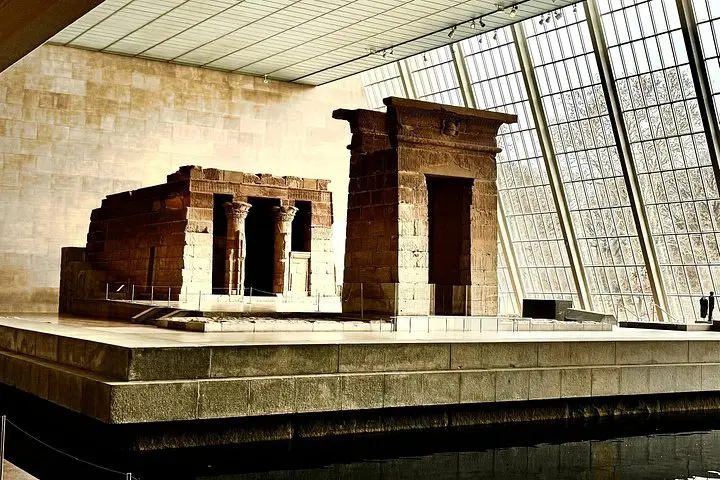
Founded in 1870, the Met grew from a civic plan to house world art; its collections span 5,000 years, from the Egyptian Temple of Dendur to impressionist canvases and the Robert Lehman holdings. The building itself is a patchwork of architectural eras—limestone facades, grand staircases, and modern gallery insertions—that reflect New York’s layered geology and urban growth.
Culturally the Met functions as both museum and meeting place: school groups cluster under high ceilings, evening visitors move through quieter rooms during extended Friday and Saturday hours, and specialists rotate exhibitions that shift the museum’s focus week to week. With the same-day Cloisters access you can trade Fifth Avenue’s bustle for the Hudson’s medieval cloister gardens uptown.
Practical matters: book the small-group guided tour for focused highlights and expert context (max ~15 people); choose the 30-minute orientation then self-guide if you prefer wandering. Expect lots of walking on flat, accessible floors; the museum is wheelchair-accessible and offers coat check and lockers. Arrive early to avoid peak crowds, check gallery closures in advance, and leave time for the rooftop or a café break—art rewards slow legs and attentive eyes.
Yes — the 30-minute orientation prepares you for a self-guided route; allow additional time to revisit favorites.
Same-day entry to The Met Cloisters is included with your ticket, letting you visit both locations on one day.
Yes — the Met is wheelchair accessible and provides elevators and accessible routes; contact the museum for specific assistance.
Yes — galleries can close for loans or conservation; guides will note current closures and adapt the itinerary.
Attractions4us LLC operates guided outdoor trips and adventures with an emphasis on safety, stewardship, and memorable experiences.

You step up the broad stone steps on Fifth Avenue and the Great Hall opens like a city-sized room—light skimming marble, footsteps softened by thick carpets, and galleries radiating off like streets on a map. An orientation—guided or self-directed—sets a pace: two hours to sample masterpieces, or the whole day if you let the building decide your route.
You step up the broad stone steps on Fifth Avenue and the Great Hall opens like a city-sized room—light skimming marble, footsteps softened by thick carpets, and galleries radiating off like streets on a map. An orientation—guided or self-directed—sets a pace: two hours to sample masterpieces, or the whole day if you let the building decide your route.
Founded in 1870, the Met grew from a civic plan to house world art; its collections span 5,000 years, from the Egyptian Temple of Dendur to impressionist canvases and the Robert Lehman holdings. The building itself is a patchwork of architectural eras—limestone facades, grand staircases, and modern gallery insertions—that reflect New York’s layered geology and urban growth.
Culturally the Met functions as both museum and meeting place: school groups cluster under high ceilings, evening visitors move through quieter rooms during extended Friday and Saturday hours, and specialists rotate exhibitions that shift the museum’s focus week to week. With the same-day Cloisters access you can trade Fifth Avenue’s bustle for the Hudson’s medieval cloister gardens uptown.
Practical matters: book the small-group guided tour for focused highlights and expert context (max ~15 people); choose the 30-minute orientation then self-guide if you prefer wandering. Expect lots of walking on flat, accessible floors; the museum is wheelchair-accessible and offers coat check and lockers. Arrive early to avoid peak crowds, check gallery closures in advance, and leave time for the rooftop or a café break—art rewards slow legs and attentive eyes.