THE ADVENTURE COLLECTIVE® · Independent discovery and booking for outdoor travel

Experience the New York City Ballet at Lincoln Center’s Koch Theater: precise choreography, historic repertory, and a practical primer on getting there, seating, and pre-show logistics. Read on for what to expect, local insights, and actionable tips to plan your evening.
Experience the New York City Ballet at Lincoln Center’s Koch Theater: precise choreography, historic repertory, and a practical primer on getting there, seating, and pre-show logistics. Read on for what to expect, local insights, and actionable tips to plan your evening.
You step off Broadway into a plaza that hums with pre-show energy: the city’s light shifts against the Koch Theater’s clean angles, conversations fold into the hush that precedes curtain call. Inside, rows slope toward the stage and the dancers’ footfalls—quick, exact—cut through the air like city traffic refined.
Verified experiences and guided adventures in the surrounding area.
You step off Broadway into a plaza that hums with pre-show energy: the city’s light shifts against the Koch Theater’s clean angles, conversations fold into the hush that precedes curtain call. Inside, rows slope toward the stage and the dancers’ footfalls—quick, exact—cut through the air like city traffic refined.
The New York City Ballet traces to 1948, when George Balanchine and Lincoln Kirstein set out to remake American dance; the Koch Theater at Lincoln Center was conceived to showcase that modern, focused repertory. Below the polished lobby the island’s ancient Manhattan schist underpins the concrete—an unseen geology that literally holds the stage and the audience together. Culturally, NYCB remains a centerpiece of modern ballet: Balanchine’s neoclassicism sits beside contemporary choreographers in a program that rewards repeated attendance.
Expect technical grace and athletic restraint: programs often mix short pieces with full-length works, and run about two hours with an intermission. Practicalities matter—arrive early for coat check, confirm bag and photography policies, and check the day’s program to decide where to sit for partnering sequences or corps de ballet formations. Dinner options surround Lincoln Center, from quick counter-service to bistro dining for a full pre-show evening.
Plan for public transit; taxis and rideshares are convenient but can be slow at peak times. Dress is flexible—many choose smart casual or evening attire—but comfort for sitting and stairs is essential. Whether you’re a seasoned balletgoer or a first-timer, the performance is precise, immediate, and urban: the city outside nudges the theater in at every turn.
No—most performances prohibit photography and recording; check the specific program and ushers will enforce the rule.
Late seating is typically permitted only during appropriate breaks and may be restricted to certain sections to avoid disrupting the performance.
Yes, Lincoln Center provides accessible seating, assistive listening devices, and other accommodations—contact the box office in advance to arrange them.
Children may attend, but consider program length and noise sensitivity; some productions recommend ages 6+ or provide family-friendly matinees—check the specific performance notes.
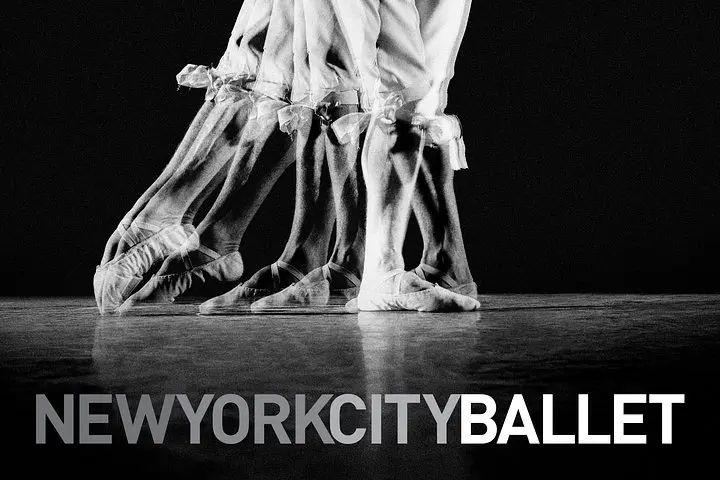
You step off Broadway into a plaza that hums with pre-show energy: the city’s light shifts against the Koch Theater’s clean angles, conversations fold into the hush that precedes curtain call. Inside, rows slope toward the stage and the dancers’ footfalls—quick, exact—cut through the air like city traffic refined.
You step off Broadway into a plaza that hums with pre-show energy: the city’s light shifts against the Koch Theater’s clean angles, conversations fold into the hush that precedes curtain call. Inside, rows slope toward the stage and the dancers’ footfalls—quick, exact—cut through the air like city traffic refined.
The New York City Ballet traces to 1948, when George Balanchine and Lincoln Kirstein set out to remake American dance; the Koch Theater at Lincoln Center was conceived to showcase that modern, focused repertory. Below the polished lobby the island’s ancient Manhattan schist underpins the concrete—an unseen geology that literally holds the stage and the audience together. Culturally, NYCB remains a centerpiece of modern ballet: Balanchine’s neoclassicism sits beside contemporary choreographers in a program that rewards repeated attendance.
Expect technical grace and athletic restraint: programs often mix short pieces with full-length works, and run about two hours with an intermission. Practicalities matter—arrive early for coat check, confirm bag and photography policies, and check the day’s program to decide where to sit for partnering sequences or corps de ballet formations. Dinner options surround Lincoln Center, from quick counter-service to bistro dining for a full pre-show evening.
Plan for public transit; taxis and rideshares are convenient but can be slow at peak times. Dress is flexible—many choose smart casual or evening attire—but comfort for sitting and stairs is essential. Whether you’re a seasoned balletgoer or a first-timer, the performance is precise, immediate, and urban: the city outside nudges the theater in at every turn.