THE ADVENTURE COLLECTIVE® · Independent discovery and booking for outdoor travel

Walk the Oculus on your own terms with a downloadable audio guide that explains Santiago Calatrava’s striking design, the site's post‑9/11 history, and the hidden details of the World Trade Center transit hub. Ideal for architecture fans, history seekers, and curious travelers who prefer a flexible pace.
Walk the Oculus on your own terms with a downloadable audio guide that explains Santiago Calatrava’s striking design, the site's post‑9/11 history, and the hidden details of the World Trade Center transit hub. Ideal for architecture fans, history seekers, and curious travelers who prefer a flexible pace.
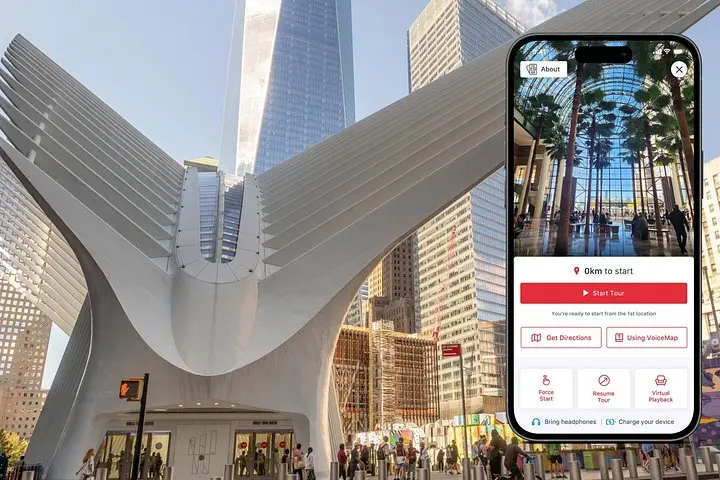
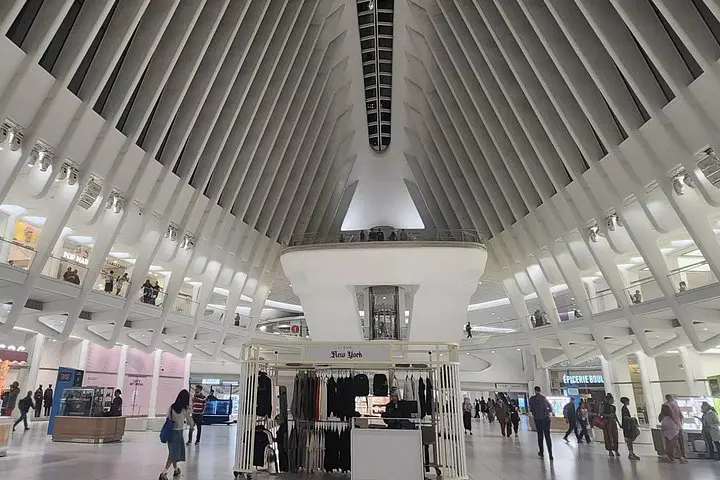
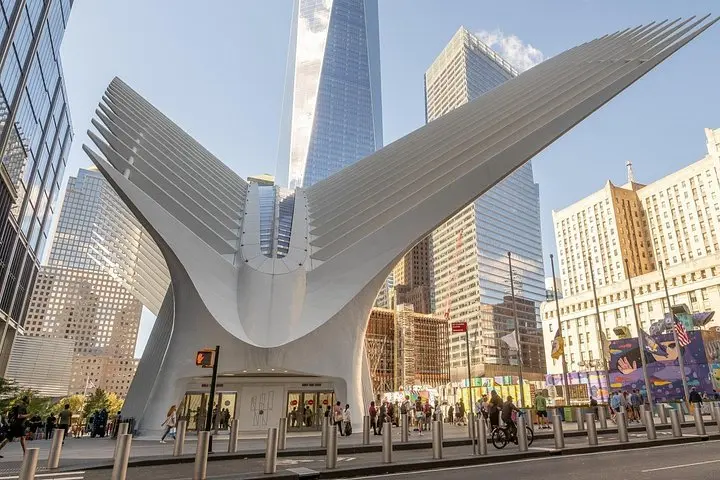
Morning light threads between the Oculus's white ribs, turning concrete and steel into a corridor of thin, moving shadows. Starting at Church Street, the audio tour guides you down through the hub's multiple levels—past retail concourses, transit veins, and the glass-walled Winter Garden that opens to the Hudson's chill.
Verified experiences and guided adventures in the surrounding area.
Operated by VoiceMap Audio Tours · New York, New York
Morning light threads between the Oculus's white ribs, turning concrete and steel into a corridor of thin, moving shadows. Starting at Church Street, the audio tour guides you down through the hub's multiple levels—past retail concourses, transit veins, and the glass-walled Winter Garden that opens to the Hudson's chill.
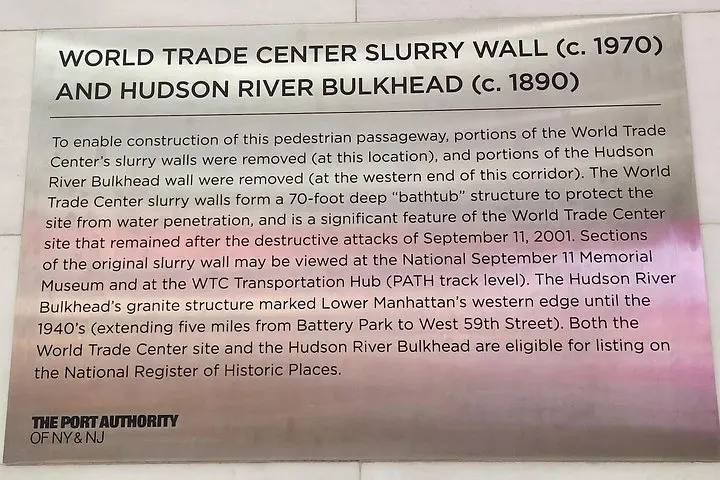
The structure is Santiago Calatrava's contemporary punctuation on a site steeped in 20th- and 21st-century history: Manhattan's schist and landfill foundations gave way to towering trade center engineering, then to the trauma and rebuilding after 9/11. The Oculus doubles as transit architecture and a civic gesture—its “bird in flight” form intended as a memorial to life, a civic foyer that channels commuters into the city’s layered infrastructure.
Culturally the route crosses food halls (Eataly, Le District), polished retail, and quick access to the 9/11 Memorial and surrounding museums. Expect urban textures: marble floors, palm trees in the Winter Garden, rushing PATH commuters and the occasional pop-up event.
Practicalities are straightforward. This is a 45–75 minute, self-paced GPS audio walk—download the VoiceMap app and redeem your code before you arrive. Bring headphones and a charged phone; signal can drop in underground corridors. Start early or midafternoon to miss weekday rush hours; the hub is fully accessible but occasionally busy around train schedules. Allow time if you plan to visit the 9/11 Memorial plaza or eat at the marketplaces. The tour rewards attentive listening: turn-by-turn directions place the architectural details in historical context, turning a transit stop into a focused urban exploration.
No general admission is required to enter the Oculus or Winter Garden; the audio tour is purchased separately and accessed via the app using your code.
Yes—the Oculus and Winter Garden are accessible with elevators and ramps; the audio tour provides directions that work from accessible entry points.
Plan 45–75 minutes depending on pauses for photos, shopping, or visiting adjacent sites like the 9/11 Memorial.
Yes—the tour code can be redeemed on multiple devices so everyone in your party can download the audio.
VoiceMap Audio Tours operates guided outdoor trips and adventures with an emphasis on safety, stewardship, and memorable experiences.
Morning light threads between the Oculus's white ribs, turning concrete and steel into a corridor of thin, moving shadows. Starting at Church Street, the audio tour guides you down through the hub's multiple levels—past retail concourses, transit veins, and the glass-walled Winter Garden that opens to the Hudson's chill.
Morning light threads between the Oculus's white ribs, turning concrete and steel into a corridor of thin, moving shadows. Starting at Church Street, the audio tour guides you down through the hub's multiple levels—past retail concourses, transit veins, and the glass-walled Winter Garden that opens to the Hudson's chill.
The structure is Santiago Calatrava's contemporary punctuation on a site steeped in 20th- and 21st-century history: Manhattan's schist and landfill foundations gave way to towering trade center engineering, then to the trauma and rebuilding after 9/11. The Oculus doubles as transit architecture and a civic gesture—its “bird in flight” form intended as a memorial to life, a civic foyer that channels commuters into the city’s layered infrastructure.
Culturally the route crosses food halls (Eataly, Le District), polished retail, and quick access to the 9/11 Memorial and surrounding museums. Expect urban textures: marble floors, palm trees in the Winter Garden, rushing PATH commuters and the occasional pop-up event.
Practicalities are straightforward. This is a 45–75 minute, self-paced GPS audio walk—download the VoiceMap app and redeem your code before you arrive. Bring headphones and a charged phone; signal can drop in underground corridors. Start early or midafternoon to miss weekday rush hours; the hub is fully accessible but occasionally busy around train schedules. Allow time if you plan to visit the 9/11 Memorial plaza or eat at the marketplaces. The tour rewards attentive listening: turn-by-turn directions place the architectural details in historical context, turning a transit stop into a focused urban exploration.