THE ADVENTURE COLLECTIVE® · Independent discovery and booking for outdoor travel

Experience the Pantheon in an intimate, expertly guided 60-minute tour. Learn the engineering, history, and living culture of Rome’s best-preserved ancient temple while practical tips prepare you for the visit.
Experience the Pantheon in an intimate, expertly guided 60-minute tour. Learn the engineering, history, and living culture of Rome’s best-preserved ancient temple while practical tips prepare you for the visit.
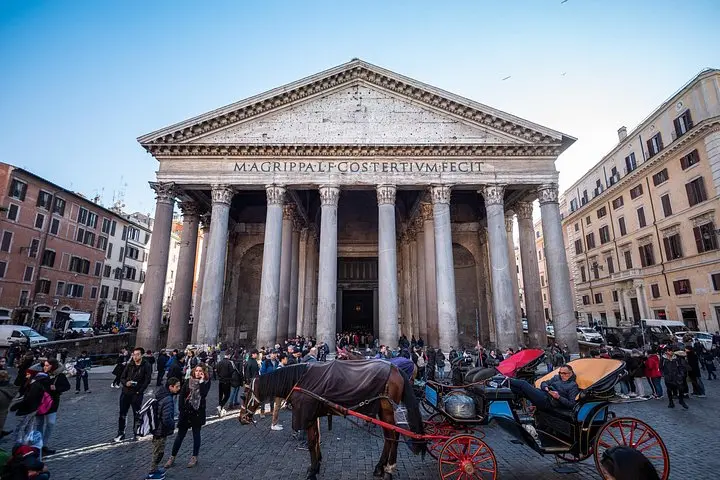
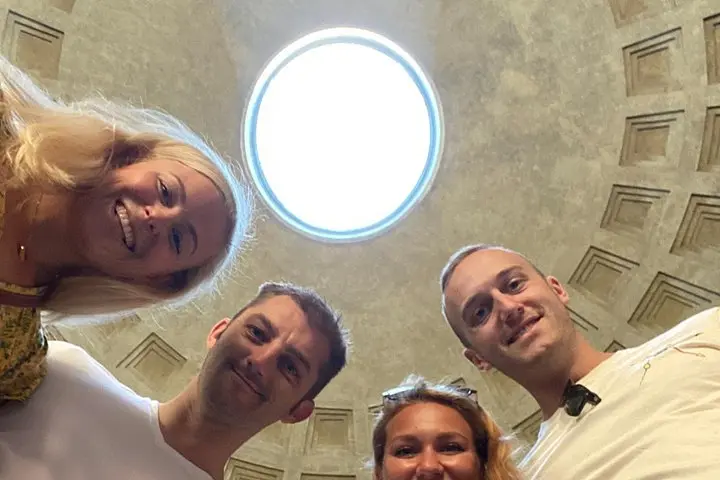
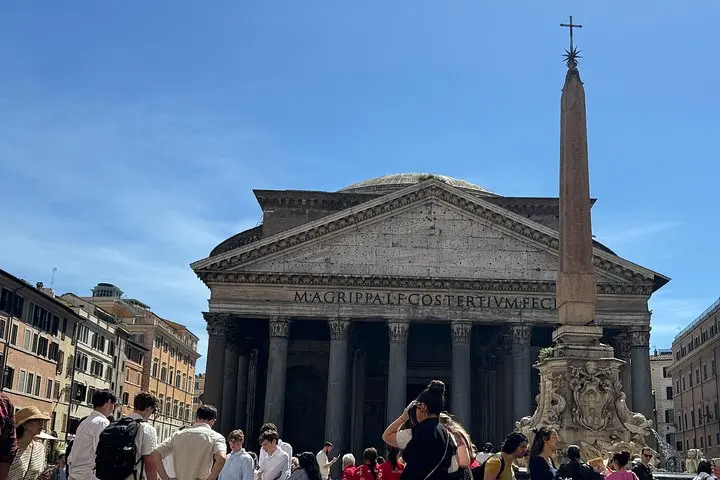
Step over cobblestones into Piazza della Rotonda and the Pantheon opens like a living machine: sunlight funnels through the oculus, marble underfoot cools your steps, and the hush of visitors meets the distant clatter of Roman traffic.
Verified experiences and guided adventures in the surrounding area.
Operated by Vatican Tour Company · Rome, Lazio
Step over cobblestones into Piazza della Rotonda and the Pantheon opens like a living machine: sunlight funnels through the oculus, marble underfoot cools your steps, and the hush of visitors meets the distant clatter of Roman traffic.
This 50–60 minute guided walk focuses on the Pantheon’s layered past. Commissioned by Marcus Agrippa and rebuilt by Emperor Hadrian around 126 CE, the building survives because it was converted to a church in the 7th century—an act that arrested demolition and preserved the world's largest unreinforced concrete dome. The coffered dome (about 43.3 meters across) and the 9-meter oculus are engineering statements as much as architectural gestures; the guide will explain Roman concrete, the sequence of restorations, and the tombs of Raphael and other notable figures within.
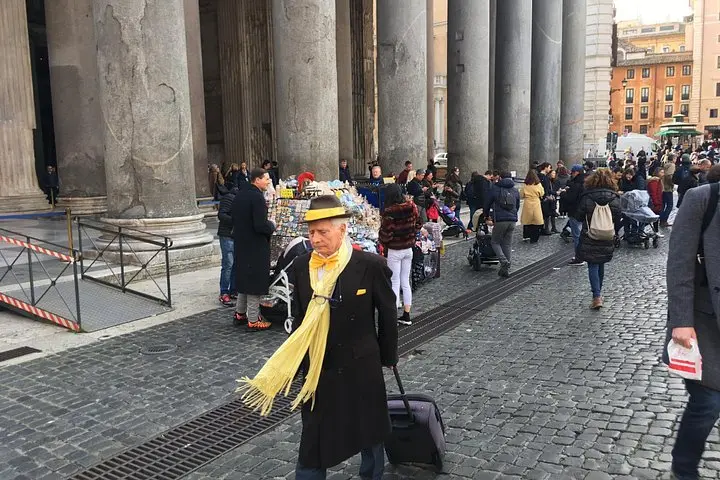
Cultural notes: the Pantheon sits at the junction of ancient Rome and lively modern life—cafés, street vendors, and local rituals like Sunday Mass intersect with antiquity. Respectful behavior and the dress code (shoulders and knees covered) protect both the site and the visitor experience.
Practical guidance: arrive 15–30 minutes early to navigate lines and security; the tour is compact and mostly standing with brief seated moments. Wear comfortable shoes for standing on stone floors. Bring a small water bottle—drinking fountains are nearby—and a portable charger for photos. Accessibility is good: ramps and relatively flat surfaces mean the tour suits most visitors. If your schedule is tight, this express format gives a dense, well-contextualized introduction to one of Rome’s best-preserved monuments.
Yes—this operator notes wheelchair-accessible routes and surfaces; contact the provider for specific assistance or mobility needs.
This particular tour does not advertise skip-the-line, so expect basic security screening and possible short waits during peak times.
Small bags are generally permitted, but large backpacks may be subject to additional checks or asked to be left with staff; travel light.
Photography for personal use is allowed; avoid flash during services and be respectful of worshippers and conservation signage.
Vatican Tour Company operates guided outdoor trips and adventures with an emphasis on safety, stewardship, and memorable experiences.
Step over cobblestones into Piazza della Rotonda and the Pantheon opens like a living machine: sunlight funnels through the oculus, marble underfoot cools your steps, and the hush of visitors meets the distant clatter of Roman traffic.
Step over cobblestones into Piazza della Rotonda and the Pantheon opens like a living machine: sunlight funnels through the oculus, marble underfoot cools your steps, and the hush of visitors meets the distant clatter of Roman traffic.
This 50–60 minute guided walk focuses on the Pantheon’s layered past. Commissioned by Marcus Agrippa and rebuilt by Emperor Hadrian around 126 CE, the building survives because it was converted to a church in the 7th century—an act that arrested demolition and preserved the world's largest unreinforced concrete dome. The coffered dome (about 43.3 meters across) and the 9-meter oculus are engineering statements as much as architectural gestures; the guide will explain Roman concrete, the sequence of restorations, and the tombs of Raphael and other notable figures within.
Cultural notes: the Pantheon sits at the junction of ancient Rome and lively modern life—cafés, street vendors, and local rituals like Sunday Mass intersect with antiquity. Respectful behavior and the dress code (shoulders and knees covered) protect both the site and the visitor experience.
Practical guidance: arrive 15–30 minutes early to navigate lines and security; the tour is compact and mostly standing with brief seated moments. Wear comfortable shoes for standing on stone floors. Bring a small water bottle—drinking fountains are nearby—and a portable charger for photos. Accessibility is good: ramps and relatively flat surfaces mean the tour suits most visitors. If your schedule is tight, this express format gives a dense, well-contextualized introduction to one of Rome’s best-preserved monuments.