THE ADVENTURE COLLECTIVE® · Independent discovery and booking for outdoor travel

Step inside one of Britain’s most storied forts with a local Blue Badge guide. This small-group tour covers the White Tower, Crown Jewels, Yeoman Warders and the private execution site while offering practical guidance to make the visit smooth.
Step inside one of Britain’s most storied forts with a local Blue Badge guide. This small-group tour covers the White Tower, Crown Jewels, Yeoman Warders and the private execution site while offering practical guidance to make the visit smooth.
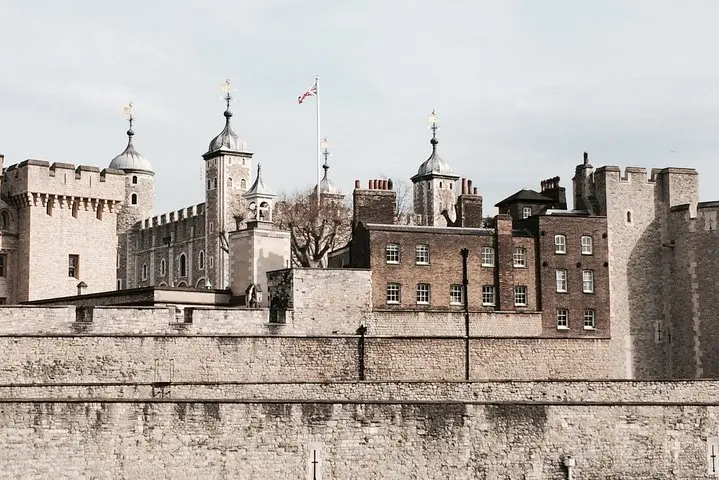
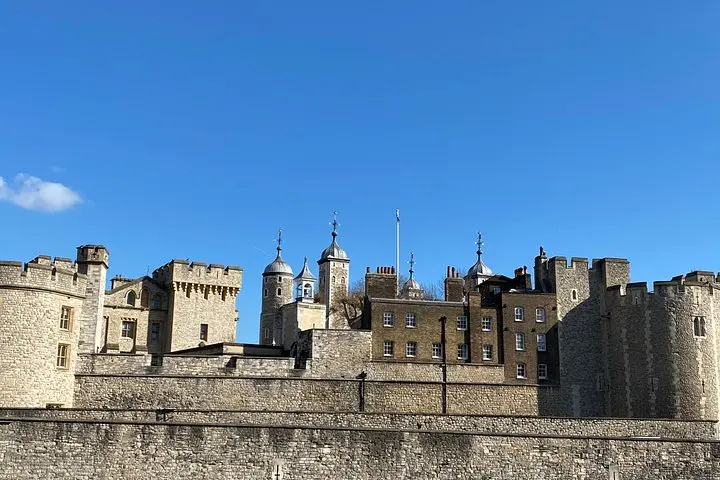
A grey morning press against the River Thames and the Tower’s stone blocks loom into focus — the White Tower’s squat silhouette cutting a defined line against the city. A small group threads through the gate, guided by a local Blue Badge expert whose voice pulls together the place’s practical layout and its darker stories: armour, prisoners, executions and ceremony.
Verified experiences and guided adventures in the surrounding area.
Operated by James Hart · London, Greater London
A grey morning press against the River Thames and the Tower’s stone blocks loom into focus — the White Tower’s squat silhouette cutting a defined line against the city. A small group threads through the gate, guided by a local Blue Badge expert whose voice pulls together the place’s practical layout and its darker stories: armour, prisoners, executions and ceremony.
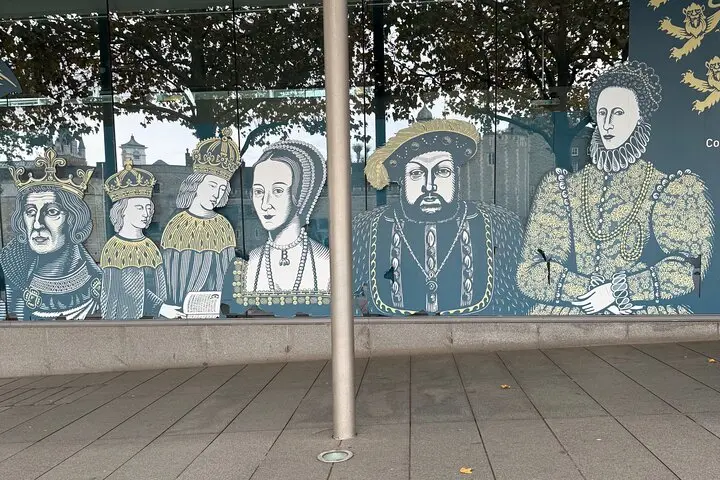
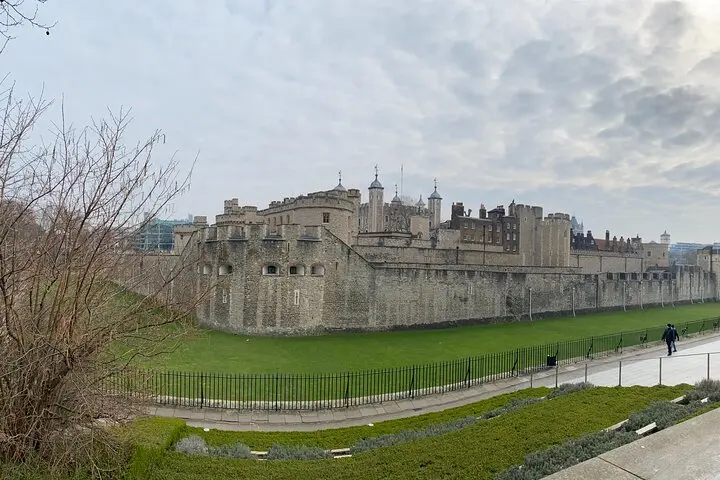
For nearly 1,000 years the Tower has alternated roles as royal palace, fortress and prison. William the Conqueror’s White Tower sits at the core; later additions created concentric wards, a moat and the defensive curtain that face the river’s edge. The Crown Jewels are a modern ceremonial heart, displayed in vaults designed both for spectacle and security. Warders — the Yeoman of the Guard — and their resident ravens provide living continuity with Tudor and Victorian eras.
Visitors move from the long rooms that once housed armour and regalia to quieter corners like the Chapel of St Peter ad Vincula and the execution site on Tower Green. Geologically the fortress rests on alluvial deposits near the Thames, its stone and mortar weathered by centuries of pollution and tidal air.
Practical notes: this small-group tour runs roughly 2–3 hours, includes entrance fees, and requires moderate mobility (staircases and uneven surfaces). Expect security screening, limited photography in some displays, and crowds around the Jewel House. Arrive 15–30 minutes early, pack a lightweight waterproof layer, and allow time afterward to walk the riverside and view Tower Bridge — the site’s scale is best appreciated on foot.
Yes — this guided small-group experience includes admission to the Tower and the Crown Jewels display as described.
Moderate: you’ll walk for 2–3 hours and encounter stairs, narrow passages and uneven floors; a moderate fitness level is recommended.
Photography is limited in the Jewel House and other sensitive displays; follow your guide and on-site signage.
Yes; children are welcome but must be supervised—content includes stories of punishment and executions that may be sensitive for younger visitors.
James Hart operates guided outdoor trips and adventures with an emphasis on safety, stewardship, and memorable experiences.
A grey morning press against the River Thames and the Tower’s stone blocks loom into focus — the White Tower’s squat silhouette cutting a defined line against the city. A small group threads through the gate, guided by a local Blue Badge expert whose voice pulls together the place’s practical layout and its darker stories: armour, prisoners, executions and ceremony.
A grey morning press against the River Thames and the Tower’s stone blocks loom into focus — the White Tower’s squat silhouette cutting a defined line against the city. A small group threads through the gate, guided by a local Blue Badge expert whose voice pulls together the place’s practical layout and its darker stories: armour, prisoners, executions and ceremony.
For nearly 1,000 years the Tower has alternated roles as royal palace, fortress and prison. William the Conqueror’s White Tower sits at the core; later additions created concentric wards, a moat and the defensive curtain that face the river’s edge. The Crown Jewels are a modern ceremonial heart, displayed in vaults designed both for spectacle and security. Warders — the Yeoman of the Guard — and their resident ravens provide living continuity with Tudor and Victorian eras.
Visitors move from the long rooms that once housed armour and regalia to quieter corners like the Chapel of St Peter ad Vincula and the execution site on Tower Green. Geologically the fortress rests on alluvial deposits near the Thames, its stone and mortar weathered by centuries of pollution and tidal air.
Practical notes: this small-group tour runs roughly 2–3 hours, includes entrance fees, and requires moderate mobility (staircases and uneven surfaces). Expect security screening, limited photography in some displays, and crowds around the Jewel House. Arrive 15–30 minutes early, pack a lightweight waterproof layer, and allow time afterward to walk the riverside and view Tower Bridge — the site’s scale is best appreciated on foot.