THE ADVENTURE COLLECTIVE® · Independent discovery and booking for outdoor travel

A focused, 75-minute academic tour of the Whipple Museum in Cambridge that ties scientific instruments to their social and ethical histories. Ideal for visitors who want close-looking, critical context, and accessible museum access.
A focused, 75-minute academic tour of the Whipple Museum in Cambridge that ties scientific instruments to their social and ethical histories. Ideal for visitors who want close-looking, critical context, and accessible museum access.
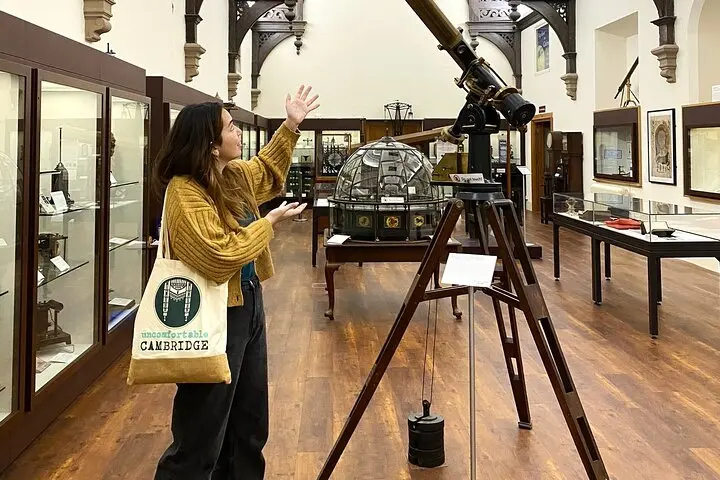
You begin in a narrow university lane: glass cases stand like quiet witnesses, brass optics catch the light from a high window, and the low murmur of a scholarly city frames the room.
Verified experiences and guided adventures in the surrounding area.
Operated by Uncomfortable Cambridge Tours · Cambridge, Cambridgeshire
You begin in a narrow university lane: glass cases stand like quiet witnesses, brass optics catch the light from a high window, and the low murmur of a scholarly city frames the room.
The Whipple Museum collects the instruments that once did science—telescopes that tracked the heavens, microscopes that widened human sight, and teaching models that shaped how knowledge was passed on. Founded from the Robert Whipple collection and woven into the University of Cambridge’s museum network, the gallery documents scientific practice from early modern mechanics through Victorian medicine and the 20th century’s ethical reckonings.
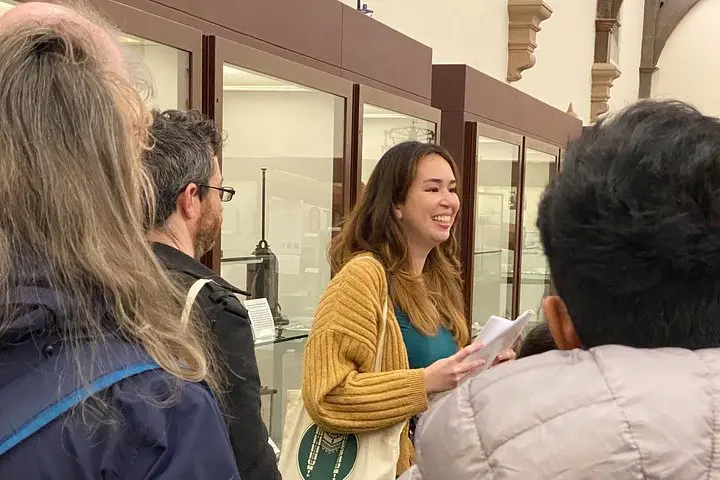
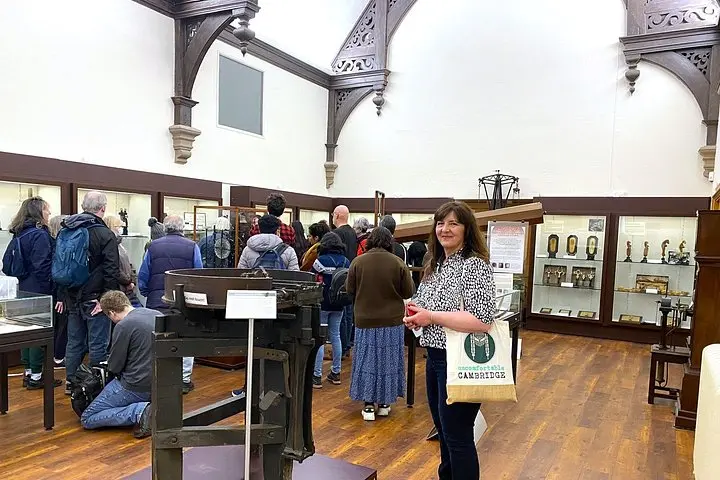
The building itself carries history: timber stairs and stone thresholds that speak to Cambridge’s academic architecture, cabinets arranged to show technique as much as object. The tour foregrounds contested moments—eugenics, colonial collecting, gendered access to science—led by an academic guide who connects objects to social context and contemporary debates.
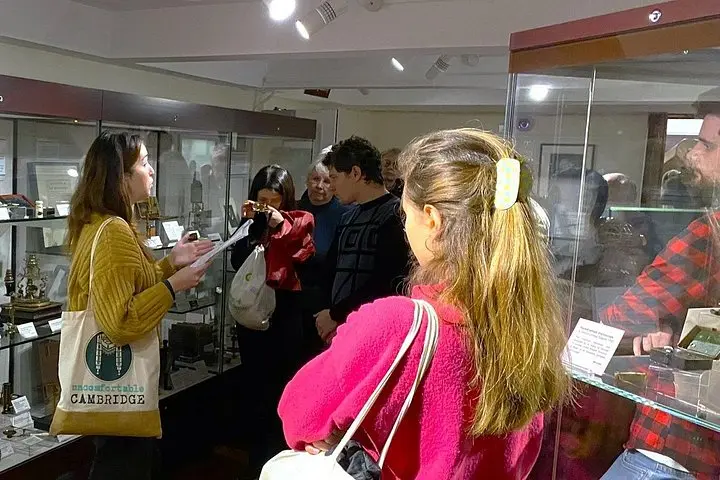
Expect close-looking: many exhibits are behind glass and described with archival labels; quieter corners invite questions. The pace is deliberate—75 minutes of standing and moving through compact spaces—so plan for a rest afterward along the River Cam.
Practical guidance: the tour is wheelchair accessible, limited to about 20 people, and best booked in advance; private bookings under 24 hours are often impossible. Bring a notebook, respect photography rules, and allow 1–2 hours including arrival and brief post-tour browsing. The experience rewards curiosity and a readiness to confront how scientific tools shaped lives as well as knowledge.
Yes—this tour and the museum areas used are wheelchair accessible; contact the operator ahead for any specific assistance needs.
Children may attend, but the material covers challenging ethical topics; consider the child’s maturity and use discretion.
Last-minute bookings are not always possible and private tours requested within 24 hours may not be accommodated—book early or contact the operator directly to enquire.
The Whipple Museum is on Free School Lane in central Cambridge, a short walk from Cambridge rail station and frequent local buses; check the booking confirmation for the exact meeting location.
Uncomfortable Cambridge Tours operates guided outdoor trips and adventures with an emphasis on safety, stewardship, and memorable experiences.
You begin in a narrow university lane: glass cases stand like quiet witnesses, brass optics catch the light from a high window, and the low murmur of a scholarly city frames the room.
You begin in a narrow university lane: glass cases stand like quiet witnesses, brass optics catch the light from a high window, and the low murmur of a scholarly city frames the room.
The Whipple Museum collects the instruments that once did science—telescopes that tracked the heavens, microscopes that widened human sight, and teaching models that shaped how knowledge was passed on. Founded from the Robert Whipple collection and woven into the University of Cambridge’s museum network, the gallery documents scientific practice from early modern mechanics through Victorian medicine and the 20th century’s ethical reckonings.
The building itself carries history: timber stairs and stone thresholds that speak to Cambridge’s academic architecture, cabinets arranged to show technique as much as object. The tour foregrounds contested moments—eugenics, colonial collecting, gendered access to science—led by an academic guide who connects objects to social context and contemporary debates.
Expect close-looking: many exhibits are behind glass and described with archival labels; quieter corners invite questions. The pace is deliberate—75 minutes of standing and moving through compact spaces—so plan for a rest afterward along the River Cam.
Practical guidance: the tour is wheelchair accessible, limited to about 20 people, and best booked in advance; private bookings under 24 hours are often impossible. Bring a notebook, respect photography rules, and allow 1–2 hours including arrival and brief post-tour browsing. The experience rewards curiosity and a readiness to confront how scientific tools shaped lives as well as knowledge.