THE ADVENTURE COLLECTIVE® · Independent discovery and booking for outdoor travel

Explore more than 250 real artifacts and painstaking replicas at Titanic: The Artifact Exhibition inside the Luxor Hotel & Casino. This immersive, two-hour experience balances technical detail and human stories—plan ahead for last admission and accessibility needs.
Explore more than 250 real artifacts and painstaking replicas at Titanic: The Artifact Exhibition inside the Luxor Hotel & Casino. This immersive, two-hour experience balances technical detail and human stories—plan ahead for last admission and accessibility needs.
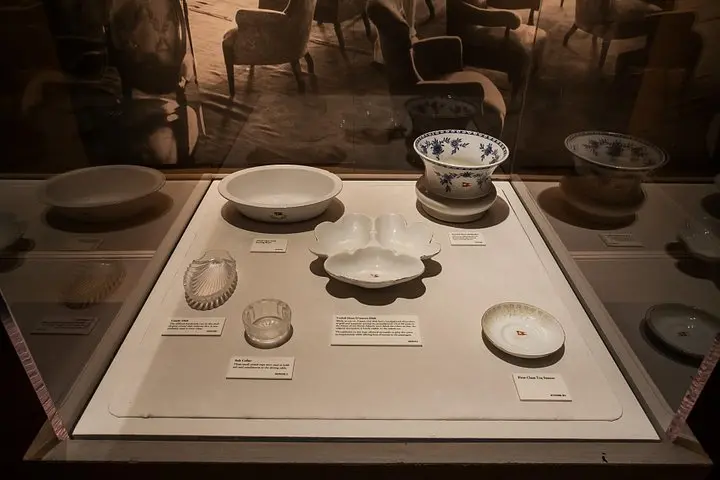
You step off the casino floor into a dim corridor that hushes the Strip’s neon pulse. The air cools and the cases begin: a trumpet of brass, a child's shoe, a bottle sealed since 1912. Each object sits like a charged memory, and the exhibition arranges them so the ship’s story unfolds with measured cadence.
Verified experiences and guided adventures in the surrounding area.
Operated by MGM Resorts International · Las Vegas, Nevada
You step off the casino floor into a dim corridor that hushes the Strip’s neon pulse. The air cools and the cases begin: a trumpet of brass, a child's shoe, a bottle sealed since 1912. Each object sits like a charged memory, and the exhibition arranges them so the ship’s story unfolds with measured cadence.
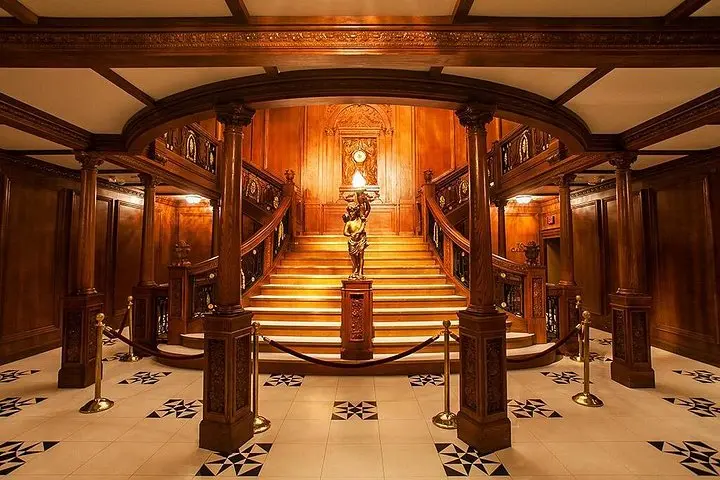
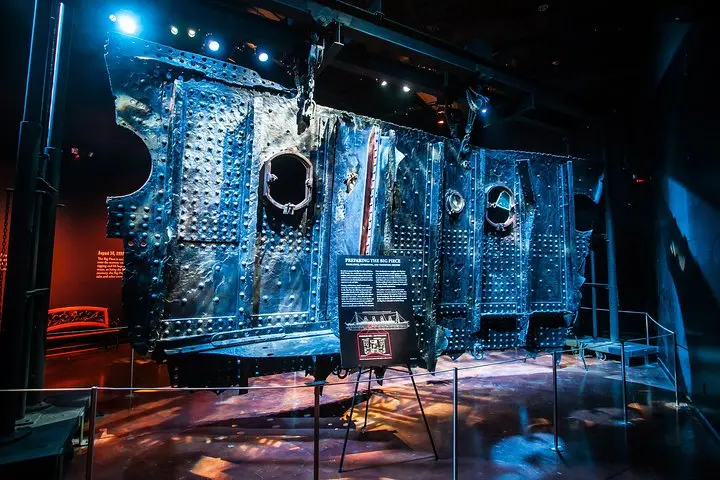
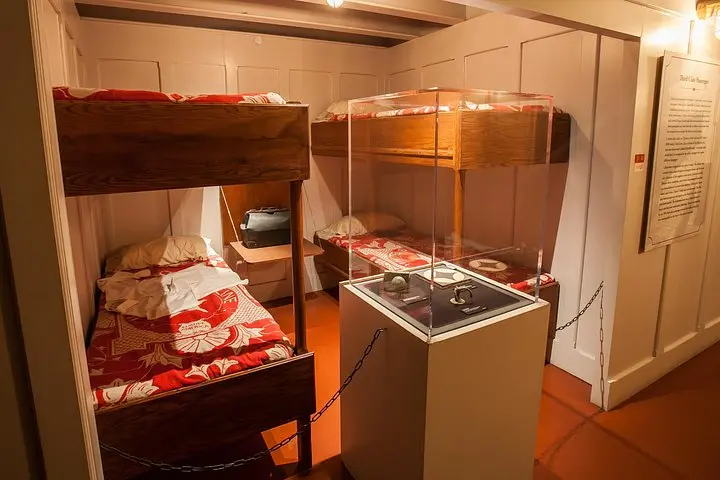
The displays juxtapose lavish first-class fittings with the sparse belongings of steerage passengers, making cultural divides tangible. The wreck itself lies on the North Atlantic seabed—an archaeological site shaped by deep-sea currents, cold-water corrosion and the slow reclamation of metal by the ocean. Exhibition curators pair recovered artifacts (more than 250 items, including a large hull section and an unopened champagne bottle) with meticulous replicas: the Grand Staircase, first- and third-class cabins, and interpretive panels that explain shipbuilding, navigation, and the iceberg that met the hull that April night.
Practicality guides the visit: plan roughly two hours, arriving early in the day to avoid crowds and take your time with personal narratives and technical displays. The Luxor location means restaurants and hotels are steps away for a longer museum-and-meal afternoon. Accessibility is good—stroller and wheelchair access are provided—and mobile tickets work at entry. Last admission is one hour before closing, so check seasonal hours before you go. Wear comfortable shoes, carry water, and save devices for notes and photos for personal use. The exhibit balances emotion and engineering, giving visitors a sober, textured look at a century-old maritime disaster and the ethics of recovery that follow it.
Allow about two hours to see the full exhibition at a comfortable pace; many visitors spend 90–150 minutes.
Tickets are mobile or paper and accepted at entry; there’s no strict timed entry but last admission is one hour before closing.
Yes—displays and surfaces are wheelchair- and stroller-accessible and the venue notes suitability for all fitness levels.
Yes—the Luxor has multiple restaurants and food options steps from the exhibition entrance for a convenient meal after your visit.
MGM Resorts International operates guided outdoor trips and adventures with an emphasis on safety, stewardship, and memorable experiences.
You step off the casino floor into a dim corridor that hushes the Strip’s neon pulse. The air cools and the cases begin: a trumpet of brass, a child's shoe, a bottle sealed since 1912. Each object sits like a charged memory, and the exhibition arranges them so the ship’s story unfolds with measured cadence.
You step off the casino floor into a dim corridor that hushes the Strip’s neon pulse. The air cools and the cases begin: a trumpet of brass, a child's shoe, a bottle sealed since 1912. Each object sits like a charged memory, and the exhibition arranges them so the ship’s story unfolds with measured cadence.
The displays juxtapose lavish first-class fittings with the sparse belongings of steerage passengers, making cultural divides tangible. The wreck itself lies on the North Atlantic seabed—an archaeological site shaped by deep-sea currents, cold-water corrosion and the slow reclamation of metal by the ocean. Exhibition curators pair recovered artifacts (more than 250 items, including a large hull section and an unopened champagne bottle) with meticulous replicas: the Grand Staircase, first- and third-class cabins, and interpretive panels that explain shipbuilding, navigation, and the iceberg that met the hull that April night.
Practicality guides the visit: plan roughly two hours, arriving early in the day to avoid crowds and take your time with personal narratives and technical displays. The Luxor location means restaurants and hotels are steps away for a longer museum-and-meal afternoon. Accessibility is good—stroller and wheelchair access are provided—and mobile tickets work at entry. Last admission is one hour before closing, so check seasonal hours before you go. Wear comfortable shoes, carry water, and save devices for notes and photos for personal use. The exhibit balances emotion and engineering, giving visitors a sober, textured look at a century-old maritime disaster and the ethics of recovery that follow it.