THE ADVENTURE COLLECTIVE® · Independent discovery and booking for outdoor travel

Ride a local train to Tokyo Racecourse and join passionate fans for a day of live thoroughbred racing, premium street food, and guided betting instruction. This tour pairs inside knowledge with practical tips so first-time bettors can confidently enjoy the action.
Ride a local train to Tokyo Racecourse and join passionate fans for a day of live thoroughbred racing, premium street food, and guided betting instruction. This tour pairs inside knowledge with practical tips so first-time bettors can confidently enjoy the action.
A late-morning train deposits you at Fuchu and the racecourse unfolds like a city-sized arena: turf rippling under a clear sky, announcers’ calls cutting through clusters of cheering fans, and the scent of grilled street food. Guides lead the group through gates where modern grandstands meet postwar racing culture, translating the chant and explaining odds so newcomers can join the rhythm of the crowd.
Verified experiences and guided adventures in the surrounding area.
Operated by Japan Traditional Travel · Fuchu, Tokyo
A late-morning train deposits you at Fuchu and the racecourse unfolds like a city-sized arena: turf rippling under a clear sky, announcers’ calls cutting through clusters of cheering fans, and the scent of grilled street food. Guides lead the group through gates where modern grandstands meet postwar racing culture, translating the chant and explaining odds so newcomers can join the rhythm of the crowd.
Tokyo Racecourse sits on land shaped by alluvial plains west of central Tokyo; the course’s wide turns and expansive turf reflect careful soil engineering designed for speed and drainage. Racing here carries modern prestige and deep local ritual—big events like the Japan Cup and Tenno Sho have helped make the venue a focal point of Japanese racing since the early 20th century.
Culturally, race-day mixes polished hospitality with grassroots enthusiasm: fans in smart coats and regulars with worn betting slips both study form guides and cheer the same finish. Expect gourmet street eats, premium drinks offered in hospitality areas, and the ebb of excitement between heats.
Practical guidance: plan for a 3–4 hour visit, bring cash in yen for betting booths (many accept only cash), and wear comfortable shoes—you’ll stand and move along concourses. Guides explain betting types and local etiquette; tipping isn’t customary. Weekends fill quickly; arriving early increases seats and food options. If you want to participate in betting, set a small budget and ask your guide for simple bets like win/place before trying multi-race wagers.
No — guides provide easy-to-understand explanations and translation for betting and race rules.
Yes; visitors can bet in person but should bring Japanese yen in cash and start with simple bet types like win/place while learning.
The tour includes premium drinks in hospitality areas and gourmet street food during the visit, but extra purchases may be optional.
Yes — the racecourse offers stroller access and facilities for mobility needs, but check ahead for specific seating assistance.
Japan Traditional Travel operates guided outdoor trips and adventures with an emphasis on safety, stewardship, and memorable experiences.
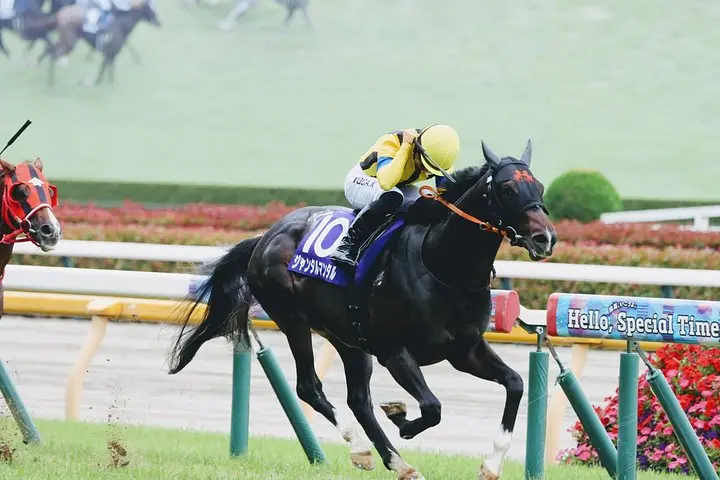
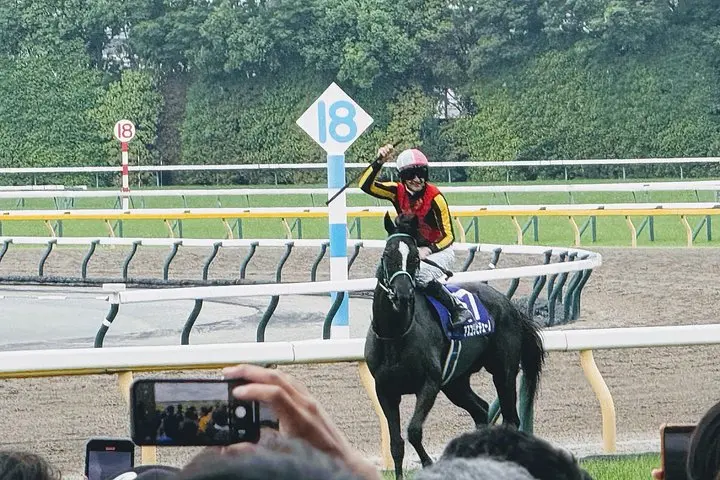
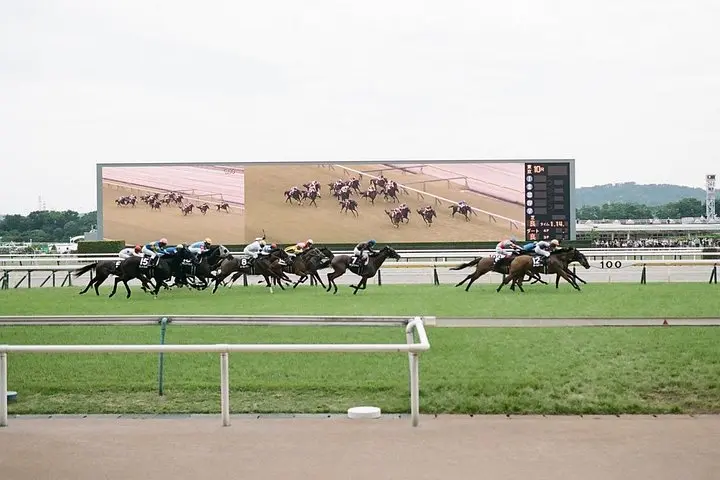
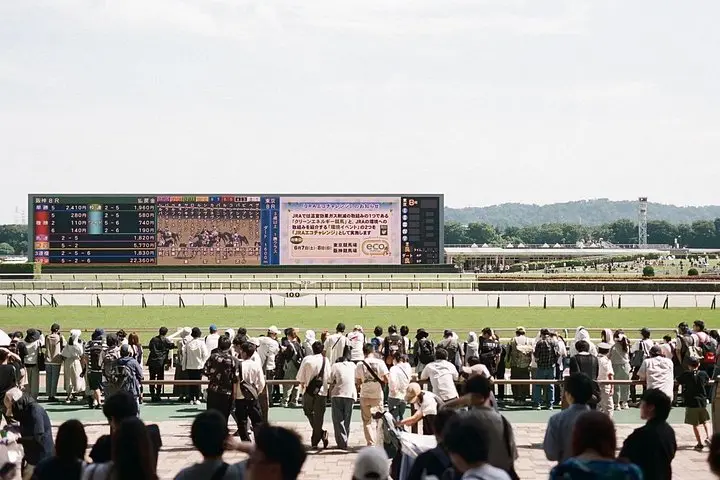
A late-morning train deposits you at Fuchu and the racecourse unfolds like a city-sized arena: turf rippling under a clear sky, announcers’ calls cutting through clusters of cheering fans, and the scent of grilled street food. Guides lead the group through gates where modern grandstands meet postwar racing culture, translating the chant and explaining odds so newcomers can join the rhythm of the crowd.
A late-morning train deposits you at Fuchu and the racecourse unfolds like a city-sized arena: turf rippling under a clear sky, announcers’ calls cutting through clusters of cheering fans, and the scent of grilled street food. Guides lead the group through gates where modern grandstands meet postwar racing culture, translating the chant and explaining odds so newcomers can join the rhythm of the crowd.
Tokyo Racecourse sits on land shaped by alluvial plains west of central Tokyo; the course’s wide turns and expansive turf reflect careful soil engineering designed for speed and drainage. Racing here carries modern prestige and deep local ritual—big events like the Japan Cup and Tenno Sho have helped make the venue a focal point of Japanese racing since the early 20th century.
Culturally, race-day mixes polished hospitality with grassroots enthusiasm: fans in smart coats and regulars with worn betting slips both study form guides and cheer the same finish. Expect gourmet street eats, premium drinks offered in hospitality areas, and the ebb of excitement between heats.
Practical guidance: plan for a 3–4 hour visit, bring cash in yen for betting booths (many accept only cash), and wear comfortable shoes—you’ll stand and move along concourses. Guides explain betting types and local etiquette; tipping isn’t customary. Weekends fill quickly; arriving early increases seats and food options. If you want to participate in betting, set a small budget and ask your guide for simple bets like win/place before trying multi-race wagers.