THE ADVENTURE COLLECTIVE® · Independent discovery and booking for outdoor travel

Step into the Imperial Butterfly House at the Hofburg and trade Vienna’s stone façades for humid air, tropical blooms and free‑flying butterflies. This concise guide explains what to expect, when to visit and how to make the most of a short, accessible nature experience in the city center.
Step into the Imperial Butterfly House at the Hofburg and trade Vienna’s stone façades for humid air, tropical blooms and free‑flying butterflies. This concise guide explains what to expect, when to visit and how to make the most of a short, accessible nature experience in the city center.
Step through the iron-and-glass door and the city’s rhythm falls away — warm, humid air wraps around you and butterflies cut lazy arcs between palms and orchids. Sunlight filters through curved Jugendstil panes; a blue morpho hesitates on a hibiscus while a small child watches, motionless. The space feels both intimate and theatrical, a tropical pocket set into the Hofburg’s formal gardens.
Verified experiences and guided adventures in the surrounding area.
Operated by Schmetterlingshaus · Vienna, Vienna
Step through the iron-and-glass door and the city’s rhythm falls away — warm, humid air wraps around you and butterflies cut lazy arcs between palms and orchids. Sunlight filters through curved Jugendstil panes; a blue morpho hesitates on a hibiscus while a small child watches, motionless. The space feels both intimate and theatrical, a tropical pocket set into the Hofburg’s formal gardens.
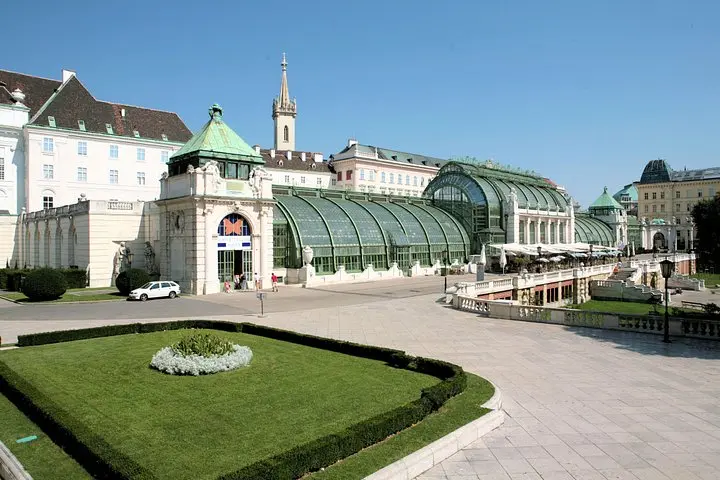
Built as a palm house in the early 20th century, the Schmetterlinghaus occupies a Jugendstil structure originally intended for exotic plants. Today it stages free-flying tropical species against a backdrop of Viennese cultural landmarks — the Staatsoper and Ringstraße lie a few steps beyond the garden gate. Geologically there’s little drama here; the building creates its own microclimate, using heat and humidity to mimic rainforest conditions so species from Central and South America can thrive.
Culturally, it’s a gentle counterpoint to Vienna’s baroque pomp: a living classroom where families, photographers and naturalists converge. Expect a short, contemplative visit — most guests spend 15–45 minutes watching courtship flights, resting butterflies and the small film about their life cycle.
Practical guidance: buy a mobile ticket to skip the queue, plan for a quick stop between museum visits, and leave space for stroller or wheelchair access — ramps and flat paths make this one of the city’s most accessible nature experiences. Do not touch the insects or use aerosol sprays; keep cameras on silent and hands steady. Morning visits can be quieter; midday brings more activity as temperatures peak. The Schmetterlinghaus is compact, sensory and immediate — an urban nature moment that rewards slow attention.
Most visitors spend 15–45 minutes inside; plan 30–60 minutes including the short film in the adjoining room.
Yes — paths are flat and wheelchair/stroller accessible throughout the exhibit.
Yes; photography is welcome but avoid using flash and keep camera sounds off to avoid disturbing the butterflies.
No — touching harms butterflies’ wings and protective oils; look, don’t handle.
Schmetterlingshaus operates guided outdoor trips and adventures with an emphasis on safety, stewardship, and memorable experiences.
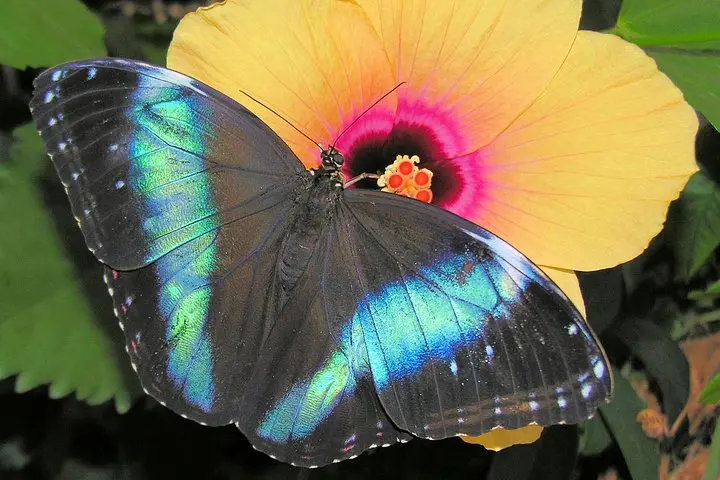
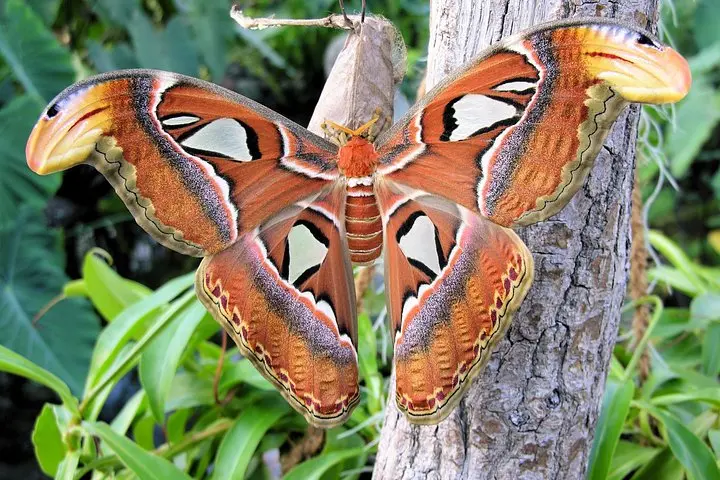
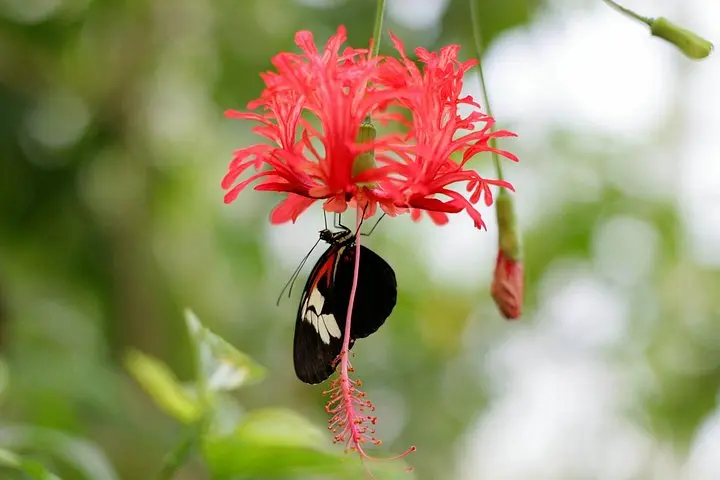
Step through the iron-and-glass door and the city’s rhythm falls away — warm, humid air wraps around you and butterflies cut lazy arcs between palms and orchids. Sunlight filters through curved Jugendstil panes; a blue morpho hesitates on a hibiscus while a small child watches, motionless. The space feels both intimate and theatrical, a tropical pocket set into the Hofburg’s formal gardens.
Step through the iron-and-glass door and the city’s rhythm falls away — warm, humid air wraps around you and butterflies cut lazy arcs between palms and orchids. Sunlight filters through curved Jugendstil panes; a blue morpho hesitates on a hibiscus while a small child watches, motionless. The space feels both intimate and theatrical, a tropical pocket set into the Hofburg’s formal gardens.
Built as a palm house in the early 20th century, the Schmetterlinghaus occupies a Jugendstil structure originally intended for exotic plants. Today it stages free-flying tropical species against a backdrop of Viennese cultural landmarks — the Staatsoper and Ringstraße lie a few steps beyond the garden gate. Geologically there’s little drama here; the building creates its own microclimate, using heat and humidity to mimic rainforest conditions so species from Central and South America can thrive.
Culturally, it’s a gentle counterpoint to Vienna’s baroque pomp: a living classroom where families, photographers and naturalists converge. Expect a short, contemplative visit — most guests spend 15–45 minutes watching courtship flights, resting butterflies and the small film about their life cycle.
Practical guidance: buy a mobile ticket to skip the queue, plan for a quick stop between museum visits, and leave space for stroller or wheelchair access — ramps and flat paths make this one of the city’s most accessible nature experiences. Do not touch the insects or use aerosol sprays; keep cameras on silent and hands steady. Morning visits can be quieter; midday brings more activity as temperatures peak. The Schmetterlinghaus is compact, sensory and immediate — an urban nature moment that rewards slow attention.