THE ADVENTURE COLLECTIVE® · Independent discovery and booking for outdoor travel

Walk the corridors where Lithuanian resistance met Soviet repression. This two-hour Vilnius tour combines street history with a guided visit to the Museum of Occupations and Freedom Fights, offering a compact, powerful lesson in 20th‑century Baltic history.
Walk the corridors where Lithuanian resistance met Soviet repression. This two-hour Vilnius tour combines street history with a guided visit to the Museum of Occupations and Freedom Fights, offering a compact, powerful lesson in 20th‑century Baltic history.
You step from a busy Vilnius street into a narrow corridor where the light thins and the air seems to remember. The guide opens a heavy door; cold stone and damp echo answer. In these cells the mechanics of repression are on display—iron bunks, interrogation rooms, bare lamps—each object a blunt reminder of the choices that shaped modern Lithuania.
Verified experiences and guided adventures in the surrounding area.
Operated by feelZcity · Vilnius, Vilnius County
You step from a busy Vilnius street into a narrow corridor where the light thins and the air seems to remember. The guide opens a heavy door; cold stone and damp echo answer. In these cells the mechanics of repression are on display—iron bunks, interrogation rooms, bare lamps—each object a blunt reminder of the choices that shaped modern Lithuania.
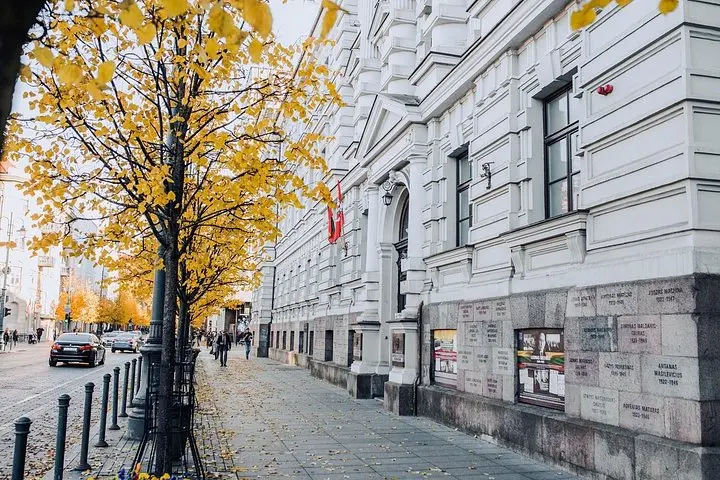
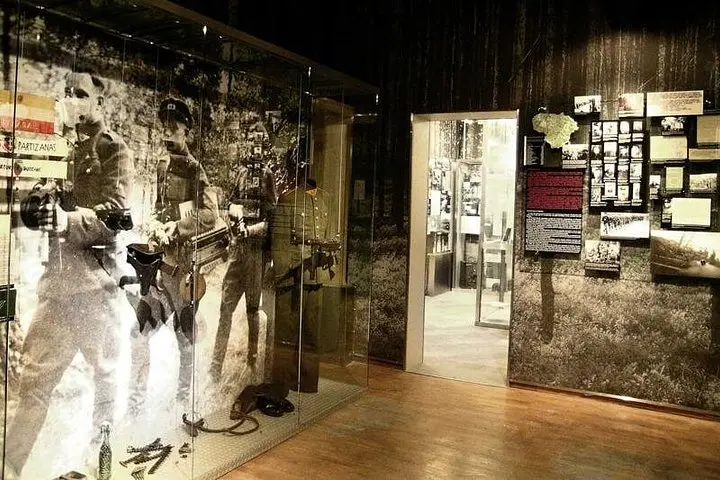
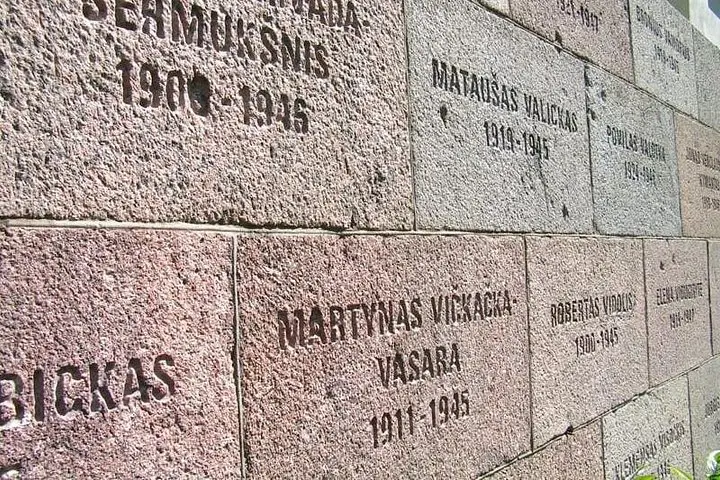
This two-hour walking tour moves from Lukiškės Square past the former prison and the Seimas (Lithuanian Parliament) before spending time in the Museum of Occupations and Freedom Fights. The story you’ll encounter spans tsarist jails, Nazi occupation, and the post‑war Soviet apparatus that used this building for imprisonment, interrogation, and political control. Urban geology is subtle here: Vilnius’ compact center, carved by glacial ridges and the winding Neris River, concentrates civic memory into narrow streets and public squares that witnessed 20th‑century upheavals.
Expect measured narration rather than spectacle: the guide places events in chronological context and reads archival testimony aloud so voices replace theory. Practicalities matter—photography is restricted in parts of the museum, and some rooms are dim with low ceilings.
Timing your visit for early afternoon avoids the busiest museum hours and gives time to walk to nearby Užupis to contrast the city’s defiant artistic spirit with the solemnity of the halls you’ve left. Dress in sturdy shoes, prepare for cold interiors even in summer, and bring water—emotionally heavy tours reward slow pacing and quiet reflection.
Yes; the tour price includes admission to the Museum of Occupations and Freedom Fights as stated in the itinerary.
Most public tours are in English; private or special departures may offer other languages—check when booking.
The tour is marketed as physically easy, but some museum areas have narrow corridors and low ceilings—contact the operator for specific accessibility needs.
Standard policy allows a full refund if you cancel at least 24 hours before the scheduled departure time.
feelZcity operates guided outdoor trips and adventures with an emphasis on safety, stewardship, and memorable experiences.
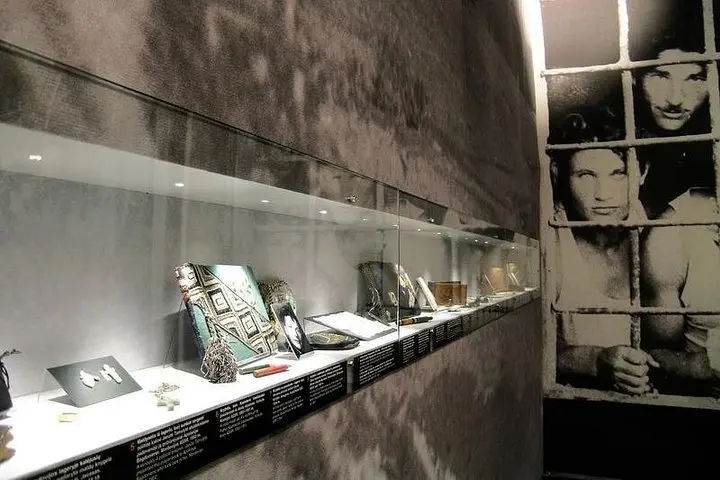
You step from a busy Vilnius street into a narrow corridor where the light thins and the air seems to remember. The guide opens a heavy door; cold stone and damp echo answer. In these cells the mechanics of repression are on display—iron bunks, interrogation rooms, bare lamps—each object a blunt reminder of the choices that shaped modern Lithuania.
You step from a busy Vilnius street into a narrow corridor where the light thins and the air seems to remember. The guide opens a heavy door; cold stone and damp echo answer. In these cells the mechanics of repression are on display—iron bunks, interrogation rooms, bare lamps—each object a blunt reminder of the choices that shaped modern Lithuania.
This two-hour walking tour moves from Lukiškės Square past the former prison and the Seimas (Lithuanian Parliament) before spending time in the Museum of Occupations and Freedom Fights. The story you’ll encounter spans tsarist jails, Nazi occupation, and the post‑war Soviet apparatus that used this building for imprisonment, interrogation, and political control. Urban geology is subtle here: Vilnius’ compact center, carved by glacial ridges and the winding Neris River, concentrates civic memory into narrow streets and public squares that witnessed 20th‑century upheavals.
Expect measured narration rather than spectacle: the guide places events in chronological context and reads archival testimony aloud so voices replace theory. Practicalities matter—photography is restricted in parts of the museum, and some rooms are dim with low ceilings.
Timing your visit for early afternoon avoids the busiest museum hours and gives time to walk to nearby Užupis to contrast the city’s defiant artistic spirit with the solemnity of the halls you’ve left. Dress in sturdy shoes, prepare for cold interiors even in summer, and bring water—emotionally heavy tours reward slow pacing and quiet reflection.