THE ADVENTURE COLLECTIVE® · Independent discovery and booking for outdoor travel

Walk Wall Street with a guide who connects Dutch trade, the Buttonwood Agreement, and the birth of modern finance. This two-hour tour moves through landmark buildings, forgotten markets, and the civic spaces where money and public life intersect.
Walk Wall Street with a guide who connects Dutch trade, the Buttonwood Agreement, and the birth of modern finance. This two-hour tour moves through landmark buildings, forgotten markets, and the civic spaces where money and public life intersect.
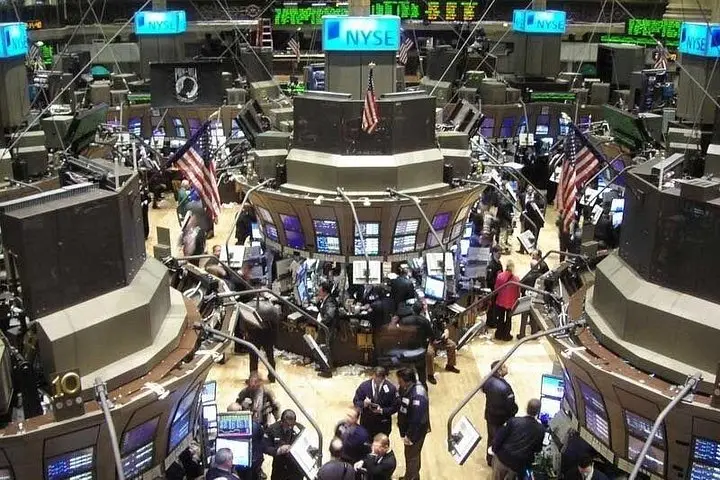
You meet at the edge of Bowling Green, where tourists cluster around the Charging Bull and the city’s rhythm narrows into the low, confident clack of dress shoes. Wind funnels between granite facades and the guide begins—voice steady against the hiss of traffic—unspooling stories that tie Lenape trade routes to Dutch coins and the bustle of the modern trading floor.
Verified experiences and guided adventures in the surrounding area.
Operated by Nerd Herd Tours · New York, NY
You meet at the edge of Bowling Green, where tourists cluster around the Charging Bull and the city’s rhythm narrows into the low, confident clack of dress shoes. Wind funnels between granite facades and the guide begins—voice steady against the hiss of traffic—unspooling stories that tie Lenape trade routes to Dutch coins and the bustle of the modern trading floor.
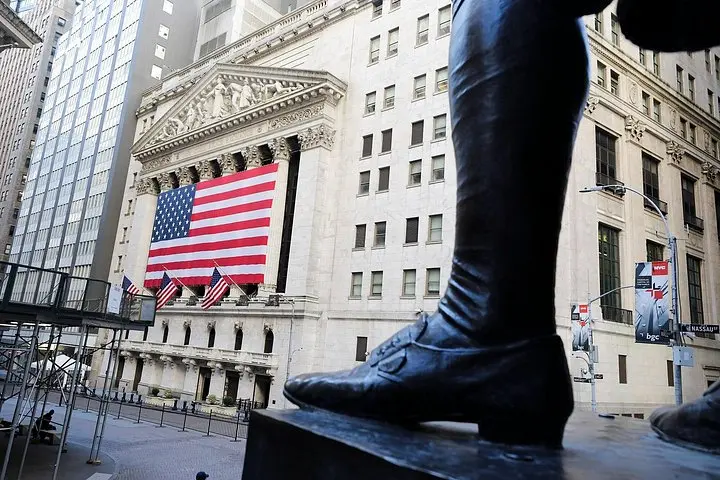
The walk traces 400 years of commerce. Cobblestone alleys point to Manhattan’s colonial shoreline, while the architecture—neoclassical customs houses, Beaux-Arts bank palaces, Art Deco towers—maps the economic eras that shaped the United States. Stops cover the Buttonwood Agreement that founded stock trading, the neighborhood’s role in northern slavery and maritime trade, and the rise of modern equity markets. Geology quietly governs the route: Manhattan schist underfoot allowed taller buildings and the vertical city to grow.
Culturally, the tour places finance in public life—from coffeehouses where deals were hatched to churches that received the proceeds of trade. Expect 90–120 minutes of mostly flat walking, frequent stops for explanation and photos, and conversation that connects names on buildings to policies and power.
Practical notes: meet in front of the National Museum of the American Indian at Bowling Green, bring a charged phone, wear comfortable shoes, and plan for variable weather—summer sun can be intense; wind is common in winter. Groups are small, the route is wheelchair accessible, and the tour ends at Trinity Church, a fitting pause where money and morality have long met.
Meet outside the National Museum of the American Indian at Bowling Green Park, just south of the Charging Bull; nearby subway stops include Bowling Green (4/5) and Whitehall (N/R/W).
Yes—this tour is wheelchair accessible and suitable for most mobility levels; notify the operator of specific needs when booking.
Shared tours cap at around 20 people, offering a balance between discussion and manageable group logistics.
Tours are typically conducted in English; check the booking page for alternate-language availability or private tour options.
Nerd Herd Tours operates guided outdoor trips and adventures with an emphasis on safety, stewardship, and memorable experiences.
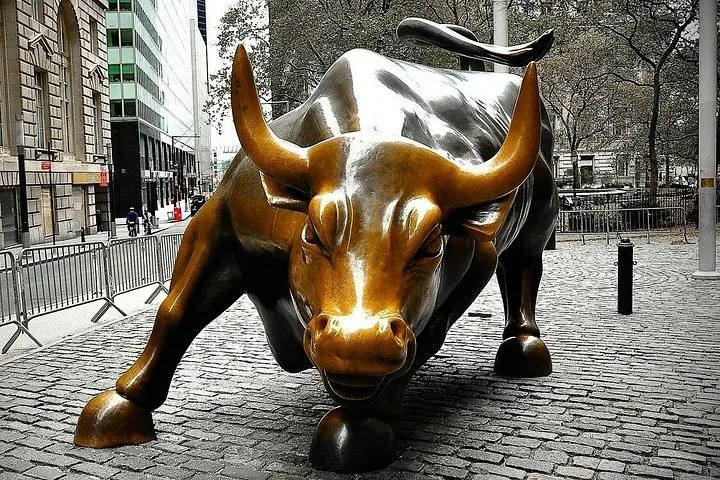
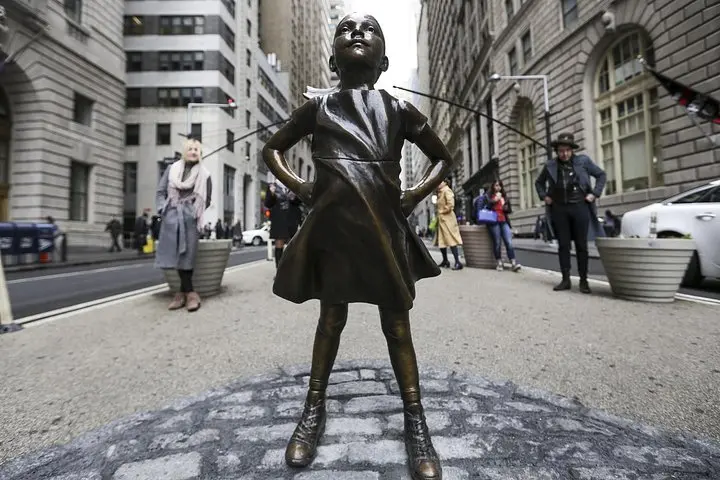
You meet at the edge of Bowling Green, where tourists cluster around the Charging Bull and the city’s rhythm narrows into the low, confident clack of dress shoes. Wind funnels between granite facades and the guide begins—voice steady against the hiss of traffic—unspooling stories that tie Lenape trade routes to Dutch coins and the bustle of the modern trading floor.
You meet at the edge of Bowling Green, where tourists cluster around the Charging Bull and the city’s rhythm narrows into the low, confident clack of dress shoes. Wind funnels between granite facades and the guide begins—voice steady against the hiss of traffic—unspooling stories that tie Lenape trade routes to Dutch coins and the bustle of the modern trading floor.
The walk traces 400 years of commerce. Cobblestone alleys point to Manhattan’s colonial shoreline, while the architecture—neoclassical customs houses, Beaux-Arts bank palaces, Art Deco towers—maps the economic eras that shaped the United States. Stops cover the Buttonwood Agreement that founded stock trading, the neighborhood’s role in northern slavery and maritime trade, and the rise of modern equity markets. Geology quietly governs the route: Manhattan schist underfoot allowed taller buildings and the vertical city to grow.
Culturally, the tour places finance in public life—from coffeehouses where deals were hatched to churches that received the proceeds of trade. Expect 90–120 minutes of mostly flat walking, frequent stops for explanation and photos, and conversation that connects names on buildings to policies and power.
Practical notes: meet in front of the National Museum of the American Indian at Bowling Green, bring a charged phone, wear comfortable shoes, and plan for variable weather—summer sun can be intense; wind is common in winter. Groups are small, the route is wheelchair accessible, and the tour ends at Trinity Church, a fitting pause where money and morality have long met.