THE ADVENTURE COLLECTIVE® · Independent discovery and booking for outdoor travel

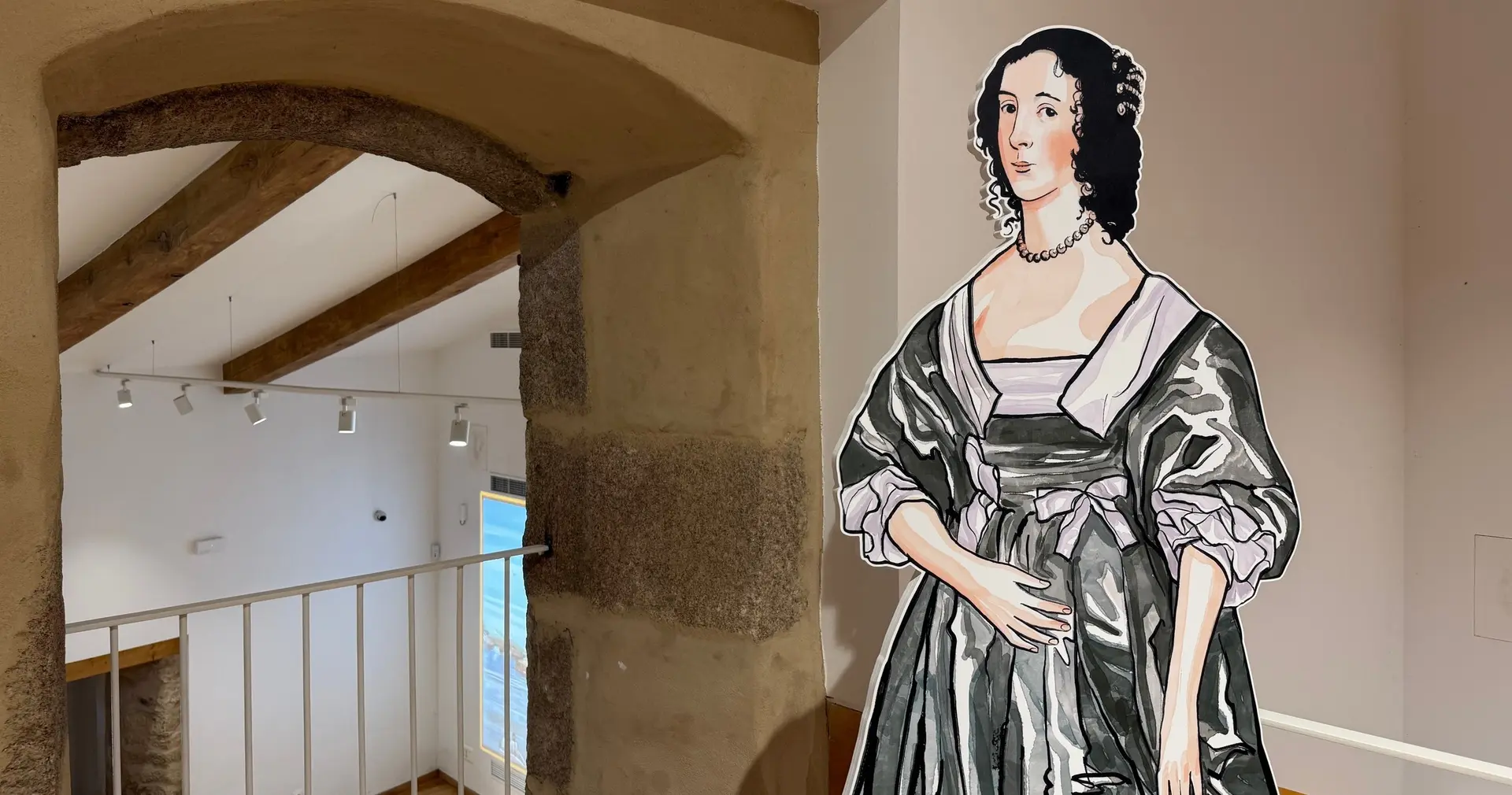
Step into the Molino de Xuvia with María Conta and hear the flour mill’s past told in first person. This one-hour interactive visit mixes hands-on machinery, local geology, and 18th-century industrial history for a compact cultural stop in Narón.
Step into the Molino de Xuvia with María Conta and hear the flour mill’s past told in first person. This one-hour interactive visit mixes hands-on machinery, local geology, and 18th-century industrial history for a compact cultural stop in Narón.
Book with Centro de Interpretación dos Muíños Industriais de Xuvia
Verified experiences and guided adventures in the surrounding area.
Operated by Centro de Interpretación dos Muíños Industriais de Xuvia · Narón, A Coruña
Visita Guiada Interactiva: María Conta brings the story of the Molino de Xuvia to life in Narón, A Coruña, Spain. This one-hour living-history tour places you in an 18th-century flour factory where María López — a woman of Lestache and a driving force behind the Real Fábrica de Harinas — narrates daily rhythms, labor, and the machinery that turned grain into bread. On arrival at the banks of the Xuvia river, you’ll find a low, stone industrial building whose thick granite walls and timber beams still hold the echoes of waterwheels and sacks of grain. The tour highlights the millrace, the grinding stones, and the original sluices that channeled river flow. Guide-actors demonstrate how local geology — hard Galician granite and alluvial deposits along the river — shaped construction and mill siting, while flora like riparian willows and elder mark the old loading areas. The experience is equal parts history lesson and theatrical performance. María Conta's guided narration draws on the real-life figure María López, placing visitors inside family disputes, trade networks, and the social role of the Real Fábrica de Harinas. The factory’s 18th-century origin connects to broader industrial shifts in Galicia and to local foodways: this is where regional grain became exportable flour that fed towns and fleets. For visitors, the mill’s machinery offers tactile learning — touch worn gears, peer into the millstone gap, and see how waterpower was harnessed before steam. Practical details are straightforward: the visit lasts about 1 hora and welcomes all ages, though children under 14 must be accompanied by an adult. The meeting point is supplied at booking. Expect uneven stone floors and narrow doorways—comfortable shoes and a steady step will make the hour more enjoyable. The program is short but dense; it’s ideal as a cultural pit stop between Ferrol and the coast or as a focused half-hour that deepens a Galician road trip. Why book? The tour transforms a neglected industrial site into a human story; this is not a static museum display but a narrated walk that animates local labor history. For outdoor-minded travelers exploring northern Galicia’s mix of shoreline, river valleys, and granite hills, the Molino de Xuvia visit provides a compact cultural counterpoint: durable stonework, working river hydraulics, and the personal voice of María Conta that connects past production to present landscape. It’s a singular, accessible way to touch the region’s industrial roots while standing beside the river that powered them. Bookings appear on the reservation partner; bring a lightweight jacket for damp river air and a notepad to record milling details. Tours are presented in Spanish—ask for a brief English summary when you book. Photography is allowed but avoid flash around exposed gears, and keep voices low near machinery.
The guided experience lasts about 1 hora (approximately one hour).
Tours are presented in Spanish; you can request a brief English summary when booking.
Yes—this activity is open to all ages, but all minors under 14 must be accompanied by an adult.
The mill has uneven stone floors and narrow doorways; level access is limited—contact the operator for specific accessibility needs.
Bookings are handled through the listed reservation partner; use the referral link to view availability and reserve a time.
Photography is permitted, but avoid using flash or touching exposed moving parts and follow guide instructions for safety.
Centro de Interpretación dos Muíños Industriais de Xuvia is an interpretive center in Narón, A Coruña, dedicated to the history and technology of local industrial mills. The center offers museum-style displays and hands-on workshops that explain flour production, maritime supply chains, and traditional crafts. Visitors can join the Taller: Pan de barco to craft ship-shaped bread using homemade modeling dough from wheat flour, learning how flour was produced and how it supplied the Navy in the 18th century. The Taller Especial: Rumbo a Oriente invites participants to write a letter to the Three Wise Men with a quill and ink; Lestache's fleet ensures delivery, combining heritage with seasonal creativity. Programs are designed for families, school groups, and cultural visitors seeking an engaging, educational experience in Narón. The center connects local industrial heritage to broader historical themes such as maritime trade, naval provisioning, and artisanal techniques. Exhibits and activities emphasize tactile learning—building models, handling materials, and following historical processes—to make technical history accessible to all ages. As a regional interpretive facility, the Centro de Interpretación dos Muíños Industriais de Xuvia collaborates with community partners to present accurate historical context and meaningful experiences. Information provided in workshops reflects documentary sources and material culture related to Galician mills and eighteenth-century naval supply. Visitors leave with practical skills, a deeper appreciation of local industrial history, and tangible mementos created during workshops. The center is located in Narón, A Coruña, and runs scheduled sessions suitable for small groups and drop-in visitors year-round regularly.
Book with Centro de Interpretación dos Muíños Industriais de Xuvia