THE ADVENTURE COLLECTIVE® · Independent discovery and booking for outdoor travel

Spend two hours tracing iconic film and TV locations on Hollywood Boulevard with an industry insider who pairs clips with on-site context. Expect flat, walkable streets, insider stories, and plenty of photo opportunities at classic stops like the Hollywood Roosevelt, Pink’s, and the Troubadour.
Spend two hours tracing iconic film and TV locations on Hollywood Boulevard with an industry insider who pairs clips with on-site context. Expect flat, walkable streets, insider stories, and plenty of photo opportunities at classic stops like the Hollywood Roosevelt, Pink’s, and the Troubadour.
You step off Hollywood Boulevard into a corridor of facades and neon where celluloid memories hang from lampposts and storefronts. The tour begins outside the Hollywood Roosevelt; the air carries the varnish of old marquees and the distant hum of traffic as your guide cues a clip of a scene you know and, suddenly, you can place it — the corner, the doorway, the exact shot.
Verified experiences and guided adventures in the surrounding area.
Operated by Film Freak Tours · Los Angeles, California
You step off Hollywood Boulevard into a corridor of facades and neon where celluloid memories hang from lampposts and storefronts. The tour begins outside the Hollywood Roosevelt; the air carries the varnish of old marquees and the distant hum of traffic as your guide cues a clip of a scene you know and, suddenly, you can place it — the corner, the doorway, the exact shot.
This stretch of central Hollywood grew as the film industry boomed in the 1920s. The Roosevelt (opened 1927) and nearby studios shaped movie architecture here; later decades layered in diners, nightclubs, and production offices that doubled as backdrops for screen action. Geologically the area sits on flattened alluvial terraces at the base of the Hollywood Hills, which provided accessible land for early studios and convenient hilltop viewpoints for aerial shots.
Culturally, the route traces shifts in celebrity culture: silent-era premiere palaces, mid-century music venues like the Troubadour, and modern production hubs such as the Jim Henson Company. Your guide—often a film insider—connects on-set trivia to broader industry changes and points out small details you’d miss on your own.
Practical guidance: wear comfortable walking shoes, carry water, and charge your phone—guides show clips and point to exact filming angles. Tours cover roughly two hours and a few miles of mainly flat city streets with short stops; plan for traffic and crossings. Morning or late-afternoon departures offer softer light for photos and lighter crowds. If you want a deeper dive, ask about nearby studio tours or book a follow-up for behind-the-scenes access.
Meet on the side of the Hollywood Roosevelt Hotel at 7000 Hollywood Boulevard; check-in is 30 minutes before departure.
Yes—infants and small children can use strollers; the tour is rated physically easy and works for most ages.
No—this walking tour points out locations and production sites but does not include admission to private studio tours or paid attractions.
The tour may be canceled for severe weather; operators advise checking confirmation emails and arriving prepared with rain layers if conditions are uncertain.
Film Freak Tours operates guided outdoor trips and adventures with an emphasis on safety, stewardship, and memorable experiences.
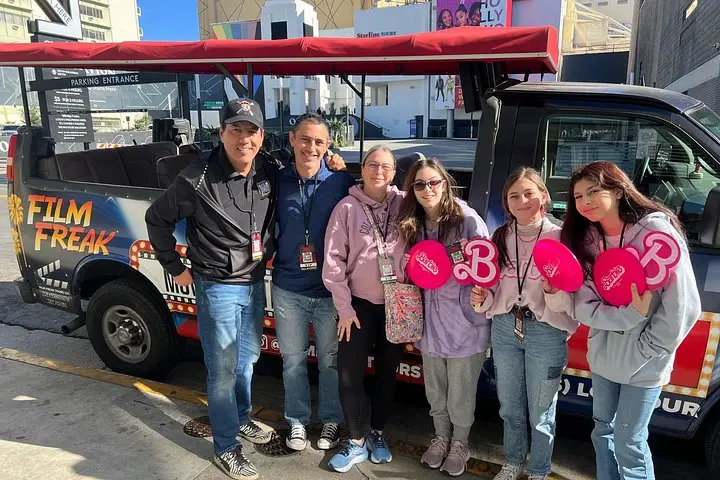
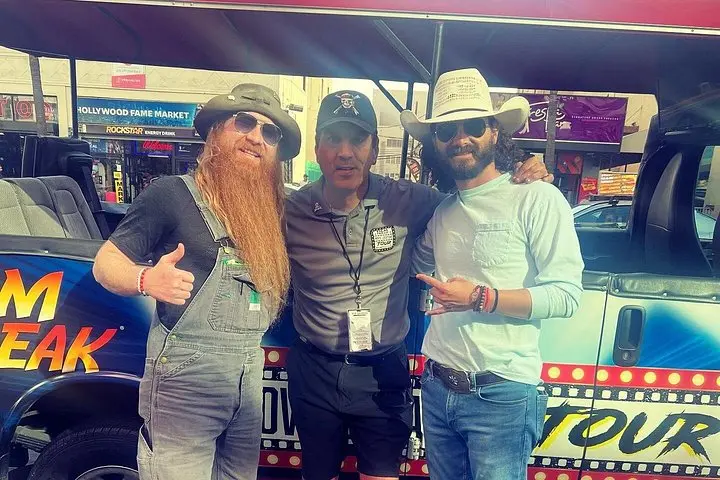
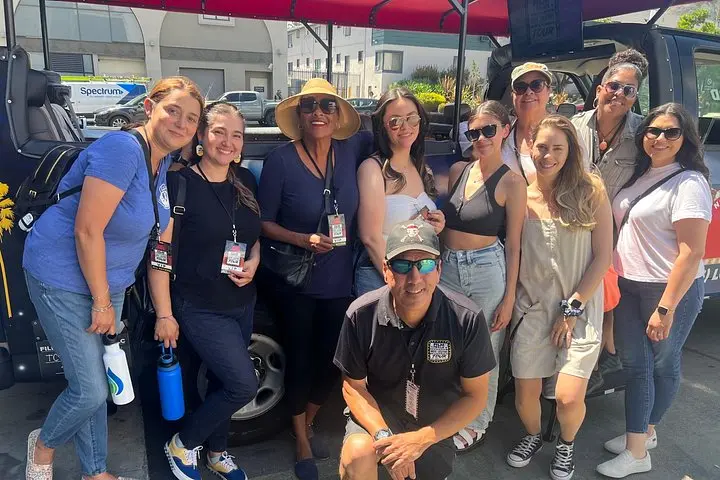
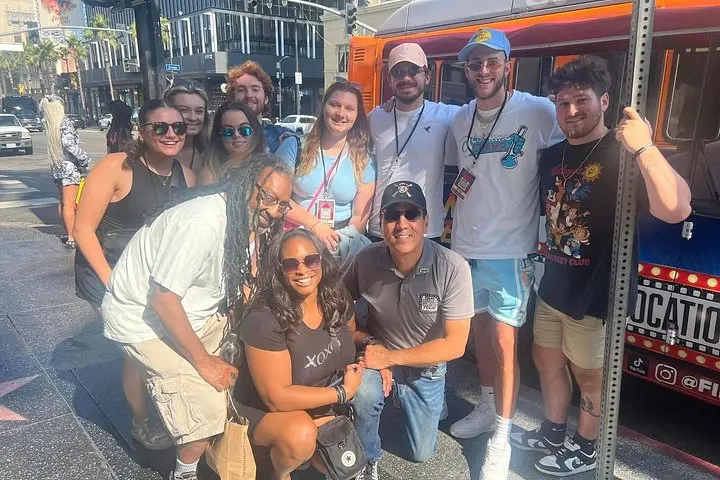
You step off Hollywood Boulevard into a corridor of facades and neon where celluloid memories hang from lampposts and storefronts. The tour begins outside the Hollywood Roosevelt; the air carries the varnish of old marquees and the distant hum of traffic as your guide cues a clip of a scene you know and, suddenly, you can place it — the corner, the doorway, the exact shot.
You step off Hollywood Boulevard into a corridor of facades and neon where celluloid memories hang from lampposts and storefronts. The tour begins outside the Hollywood Roosevelt; the air carries the varnish of old marquees and the distant hum of traffic as your guide cues a clip of a scene you know and, suddenly, you can place it — the corner, the doorway, the exact shot.
This stretch of central Hollywood grew as the film industry boomed in the 1920s. The Roosevelt (opened 1927) and nearby studios shaped movie architecture here; later decades layered in diners, nightclubs, and production offices that doubled as backdrops for screen action. Geologically the area sits on flattened alluvial terraces at the base of the Hollywood Hills, which provided accessible land for early studios and convenient hilltop viewpoints for aerial shots.
Culturally, the route traces shifts in celebrity culture: silent-era premiere palaces, mid-century music venues like the Troubadour, and modern production hubs such as the Jim Henson Company. Your guide—often a film insider—connects on-set trivia to broader industry changes and points out small details you’d miss on your own.
Practical guidance: wear comfortable walking shoes, carry water, and charge your phone—guides show clips and point to exact filming angles. Tours cover roughly two hours and a few miles of mainly flat city streets with short stops; plan for traffic and crossings. Morning or late-afternoon departures offer softer light for photos and lighter crowds. If you want a deeper dive, ask about nearby studio tours or book a follow-up for behind-the-scenes access.