THE ADVENTURE COLLECTIVE® · Independent discovery and booking for outdoor travel

Taste Oahu in three hours: a local guide leads you through Chinatown, harborside markets, and roadside windows for 3–4 curated tastings that reveal Hawaii’s culinary roots. Perfect for curious eaters who want context with every bite.
Taste Oahu in three hours: a local guide leads you through Chinatown, harborside markets, and roadside windows for 3–4 curated tastings that reveal Hawaii’s culinary roots. Perfect for curious eaters who want context with every bite.
You step off a warm city sidewalk as the smell of frying batter and soy-sweet glaze pulls you down a narrow Chinatown alley. The ocean hovers a few blocks away, its breeze pushing the scent of fresh fish toward a family-run counter; a guide with local humor points out a storefront that’s been making manapua the same way for decades.
Verified experiences and guided adventures in the surrounding area.
Operated by Secret Hawaii Tours · Honolulu, Hawaii
You step off a warm city sidewalk as the smell of frying batter and soy-sweet glaze pulls you down a narrow Chinatown alley. The ocean hovers a few blocks away, its breeze pushing the scent of fresh fish toward a family-run counter; a guide with local humor points out a storefront that’s been making manapua the same way for decades.
Oahu’s foodways are geological and human history in a bowl: taro grown on terraces that trace old wetland systems, flavors layered by Hawaiian, Japanese, Filipino, Chinese and Portuguese laborers who settled the islands. That history explains everything from poi’s texture to the prevalence of spam musubi at roadside windows.
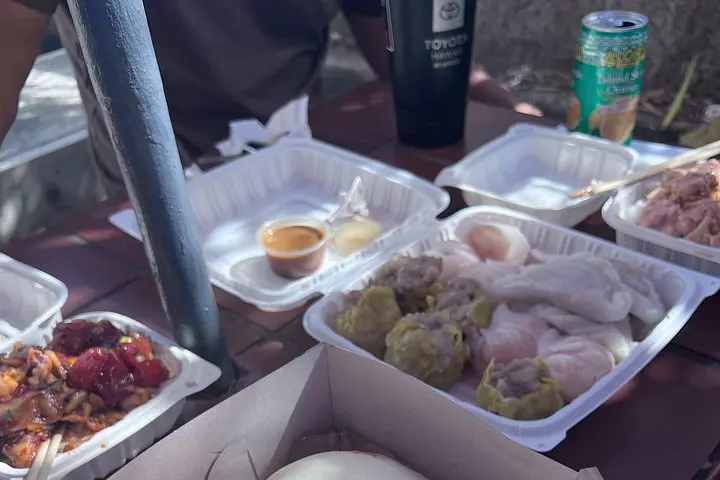
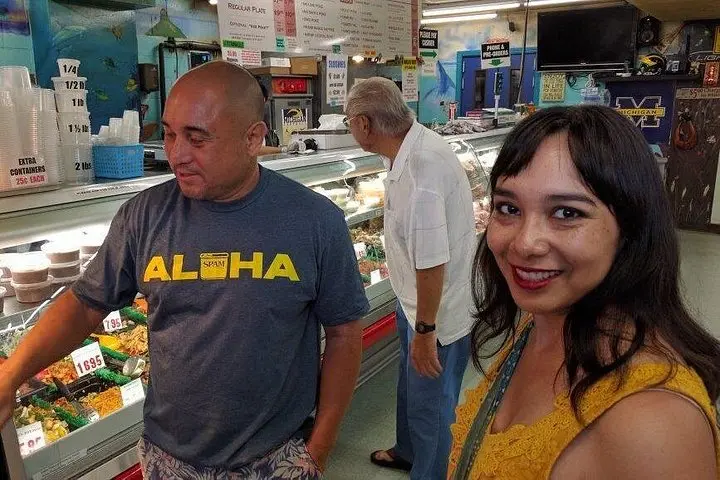
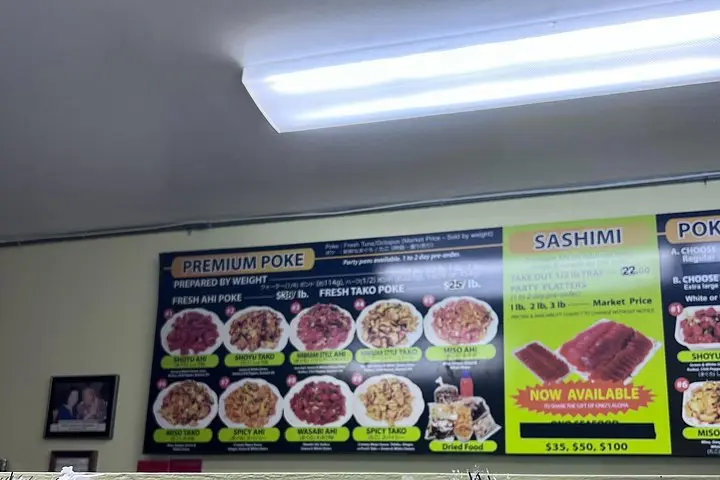
On a typical three-hour Secret Aloha Bites Tour you’ll move between 3–4 curated stops — Chinatown bakeries, a market by the harbor for poke and sashimi, and a legendary plate-lunch window or roadside stand. Each bite is a short lesson in provenance: who makes it, where the fish came from, what seasonality matters. Guides keep groups small (under a dozen), share cultural context, and point out spots locals favor when tourists aren’t looking.
Practical side: come hungry but not starving — portions are sampling-size but add up; wear comfortable walking shoes and a light rain layer (sudden showers are common). Bring cash for smaller vendors, keep hydrated (bottled water is typically provided), and flag dietary restrictions ahead of time. Public transit and short walks connect stops; the tour is rated easy and suits most fitness levels. Cancel at least 24 hours ahead for a full refund.
Expect 3–4 stops with sampling-size portions that together make a light meal.
Yes — the pace is easy, but bring kids who can walk short distances and try diverse foods.
Yes — indicate allergies or dietary needs when booking and guides will adjust stops where possible.
Tours may continue through light rain; heavy weather can cancel with a full refund if notified 24 hours ahead.
Secret Hawaii Tours operates guided outdoor trips and adventures with an emphasis on safety, stewardship, and memorable experiences.
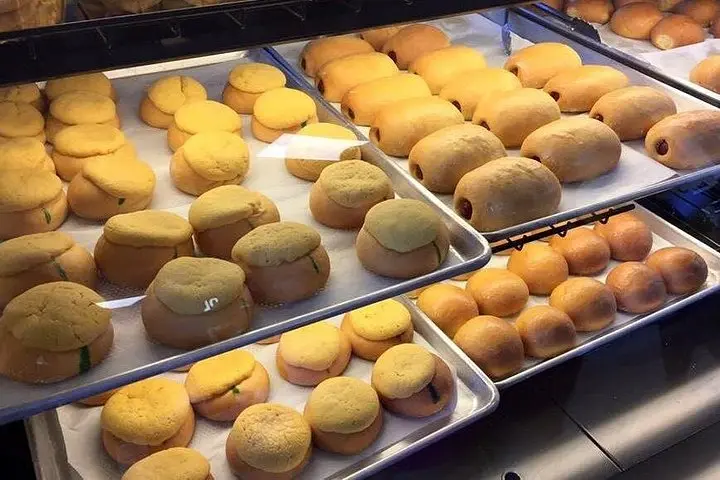
You step off a warm city sidewalk as the smell of frying batter and soy-sweet glaze pulls you down a narrow Chinatown alley. The ocean hovers a few blocks away, its breeze pushing the scent of fresh fish toward a family-run counter; a guide with local humor points out a storefront that’s been making manapua the same way for decades.
You step off a warm city sidewalk as the smell of frying batter and soy-sweet glaze pulls you down a narrow Chinatown alley. The ocean hovers a few blocks away, its breeze pushing the scent of fresh fish toward a family-run counter; a guide with local humor points out a storefront that’s been making manapua the same way for decades.
Oahu’s foodways are geological and human history in a bowl: taro grown on terraces that trace old wetland systems, flavors layered by Hawaiian, Japanese, Filipino, Chinese and Portuguese laborers who settled the islands. That history explains everything from poi’s texture to the prevalence of spam musubi at roadside windows.
On a typical three-hour Secret Aloha Bites Tour you’ll move between 3–4 curated stops — Chinatown bakeries, a market by the harbor for poke and sashimi, and a legendary plate-lunch window or roadside stand. Each bite is a short lesson in provenance: who makes it, where the fish came from, what seasonality matters. Guides keep groups small (under a dozen), share cultural context, and point out spots locals favor when tourists aren’t looking.
Practical side: come hungry but not starving — portions are sampling-size but add up; wear comfortable walking shoes and a light rain layer (sudden showers are common). Bring cash for smaller vendors, keep hydrated (bottled water is typically provided), and flag dietary restrictions ahead of time. Public transit and short walks connect stops; the tour is rated easy and suits most fitness levels. Cancel at least 24 hours ahead for a full refund.