THE ADVENTURE COLLECTIVE® · Independent discovery and booking for outdoor travel

A brisk, photo-focused walking tour through Old San Juan’s most photogenic landmarks. Learn brief history and practical tips while stopping at Paseo de la Princesa, La Fortaleza, El Morro and the Cathedral.
A brisk, photo-focused walking tour through Old San Juan’s most photogenic landmarks. Learn brief history and practical tips while stopping at Paseo de la Princesa, La Fortaleza, El Morro and the Cathedral.
You step off the curb and the Atlantic breeze immediately rearranges your hair and dares you to linger. Cobblestone streets slope toward blue water as pastel colonial facades stand like old friends posing for the camera. On this guided walk you move through plazas, past cannon-lined ramparts, and under the heavy shadow of a fortress that has watched the harbor for centuries.
Verified experiences and guided adventures in the surrounding area.
Operated by Bestours - Outdoors Adventures Puerto Rico · San Juan, Puerto Rico
You step off the curb and the Atlantic breeze immediately rearranges your hair and dares you to linger. Cobblestone streets slope toward blue water as pastel colonial facades stand like old friends posing for the camera. On this guided walk you move through plazas, past cannon-lined ramparts, and under the heavy shadow of a fortress that has watched the harbor for centuries.
Old San Juan’s streets trace 500 years of Spanish colonial history—stone quarried from nearby islets, defensive walls finished in the 16th–18th centuries, and plazas that have hosted markets, processions and political rallies. Geologically the city sits on ancient limestone and volcanic sills that made its masonry durable and its shoreline abrupt; culturally the neighborhood is a living neighborhood where salsa spills from cafes and bilingual guides blend history with local anecdotes.
Expect roughly 2–2.5 miles of walking over uneven cobbles and occasional stairs, with frequent stops: Paseo de la Princesa’s promenade, La Fortaleza’s façade, the Cathedral where Ponce de León’s tomb rests, the old San Juan Gate, and Castillo San Felipe del Morro’s sweeping headlands.
Practical guidance: bring sturdy shoes for uneven stone, a refillable water bottle, and sun protection—midday heat and glare off the bay are real. Mornings or late afternoons offer softer light for photography and fewer crowds. The tour is accessible to most fitness levels and is bilingual, but stroller users should expect rough patches. Keep conversations low on historic sites, avoid climbing walls, and carry small bills for museum entrances or local vendors.
Expect about 2–2.5 miles over roughly 150 minutes with multiple stops; pace is easy but includes uneven cobblestones and stairs.
Most stops are viewpoints; some museums and El Morro grounds may have separate admission fees not included in the tour price.
The operator notes stroller access in parts, but many streets are uneven and some ramps or access points may be limited—contact the operator if mobility is a concern.
Yes; the tour is offered bilingually (English and Spanish) so speakers of either language can follow the commentary.
Bestours - Outdoors Adventures Puerto Rico operates guided outdoor trips and adventures with an emphasis on safety, stewardship, and memorable experiences.
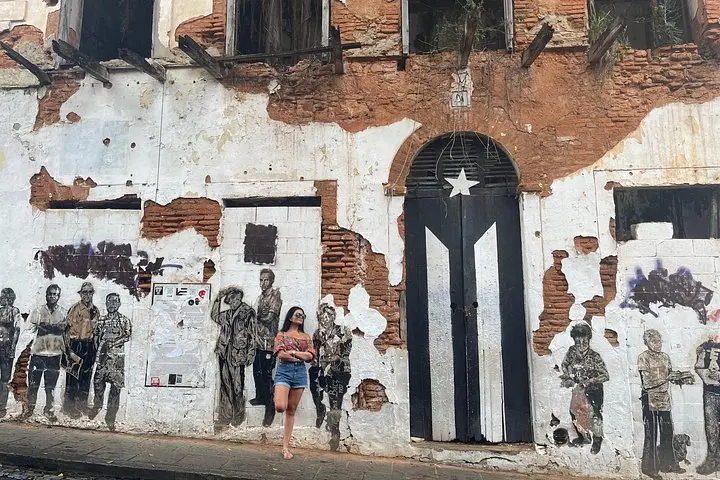
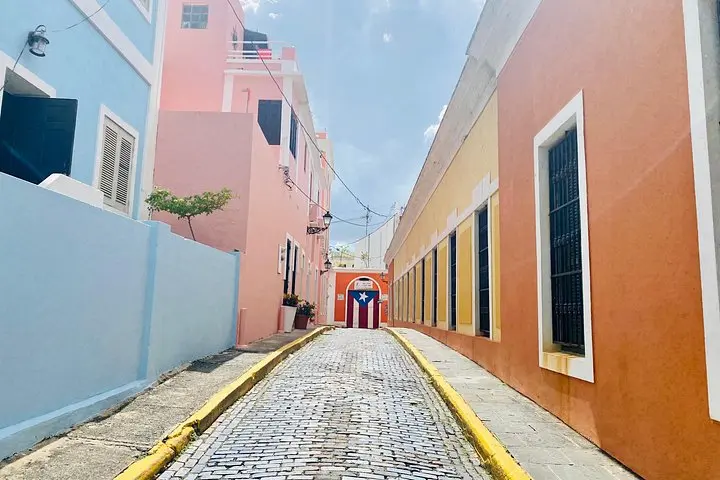
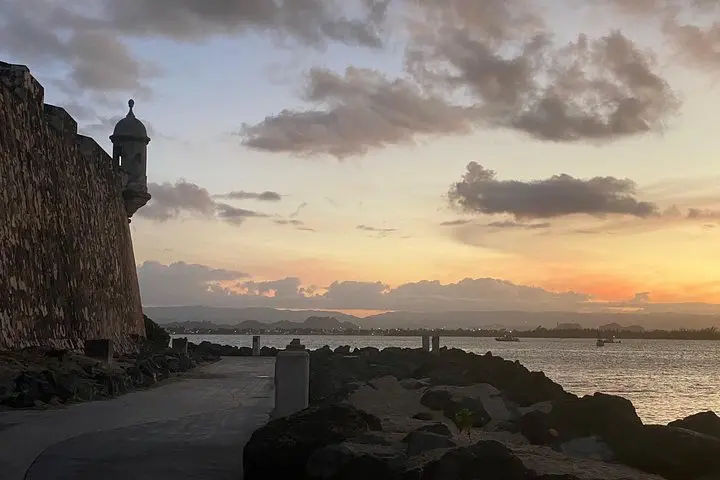
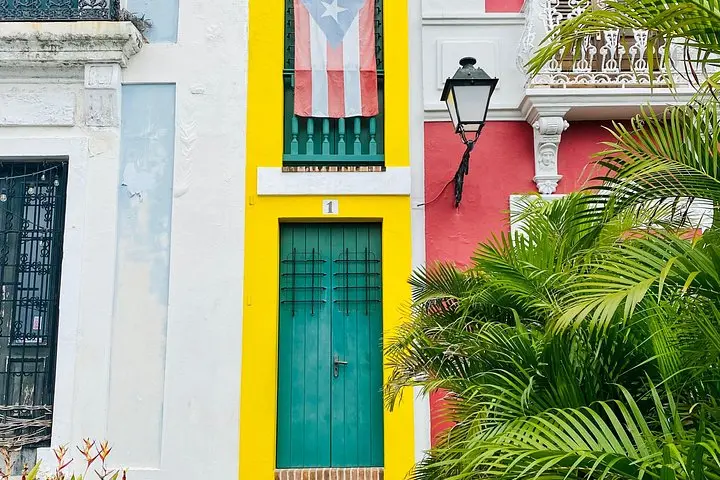
You step off the curb and the Atlantic breeze immediately rearranges your hair and dares you to linger. Cobblestone streets slope toward blue water as pastel colonial facades stand like old friends posing for the camera. On this guided walk you move through plazas, past cannon-lined ramparts, and under the heavy shadow of a fortress that has watched the harbor for centuries.
You step off the curb and the Atlantic breeze immediately rearranges your hair and dares you to linger. Cobblestone streets slope toward blue water as pastel colonial facades stand like old friends posing for the camera. On this guided walk you move through plazas, past cannon-lined ramparts, and under the heavy shadow of a fortress that has watched the harbor for centuries.
Old San Juan’s streets trace 500 years of Spanish colonial history—stone quarried from nearby islets, defensive walls finished in the 16th–18th centuries, and plazas that have hosted markets, processions and political rallies. Geologically the city sits on ancient limestone and volcanic sills that made its masonry durable and its shoreline abrupt; culturally the neighborhood is a living neighborhood where salsa spills from cafes and bilingual guides blend history with local anecdotes.
Expect roughly 2–2.5 miles of walking over uneven cobbles and occasional stairs, with frequent stops: Paseo de la Princesa’s promenade, La Fortaleza’s façade, the Cathedral where Ponce de León’s tomb rests, the old San Juan Gate, and Castillo San Felipe del Morro’s sweeping headlands.
Practical guidance: bring sturdy shoes for uneven stone, a refillable water bottle, and sun protection—midday heat and glare off the bay are real. Mornings or late afternoons offer softer light for photography and fewer crowds. The tour is accessible to most fitness levels and is bilingual, but stroller users should expect rough patches. Keep conversations low on historic sites, avoid climbing walls, and carry small bills for museum entrances or local vendors.